Who a 4.2 Cu Ft Compact Chest Freezer Fits, and Who It Doesn't
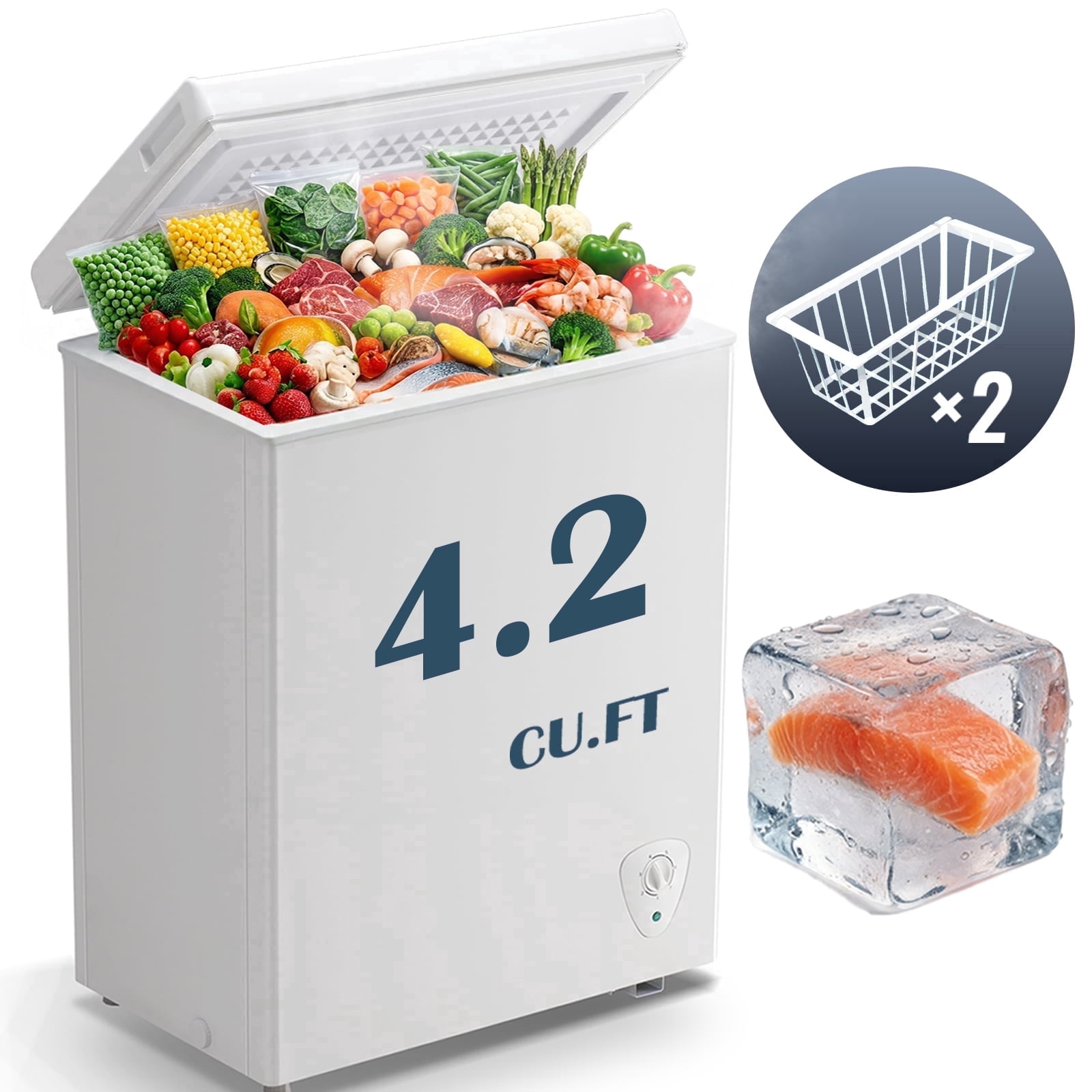
Extra frozen storage often becomes necessary when a household starts buying in bulk, when a garage or basement has no room for a second appliance, or when a kitchen runs short on cold space. A compact chest freezer is designed to fill that gap, holding frozen food in a box with a top-opening door rather than in stacked drawers. This article looks at the JIEJIA 4.2 cubic foot model based on its listed specifications, covering where it fits well and where another option may suit you better.
Contents
Who This Compact Chest Freezer Suits
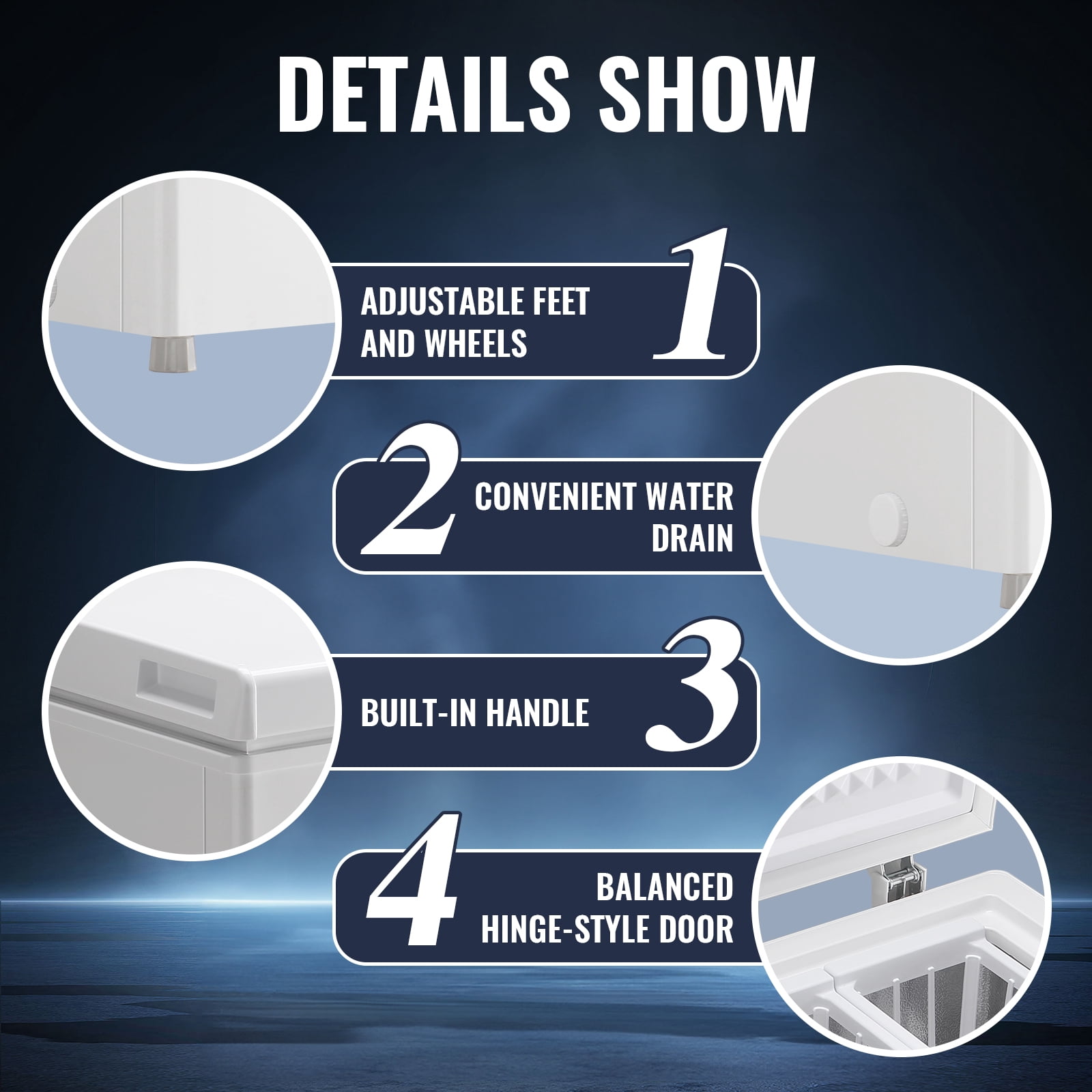
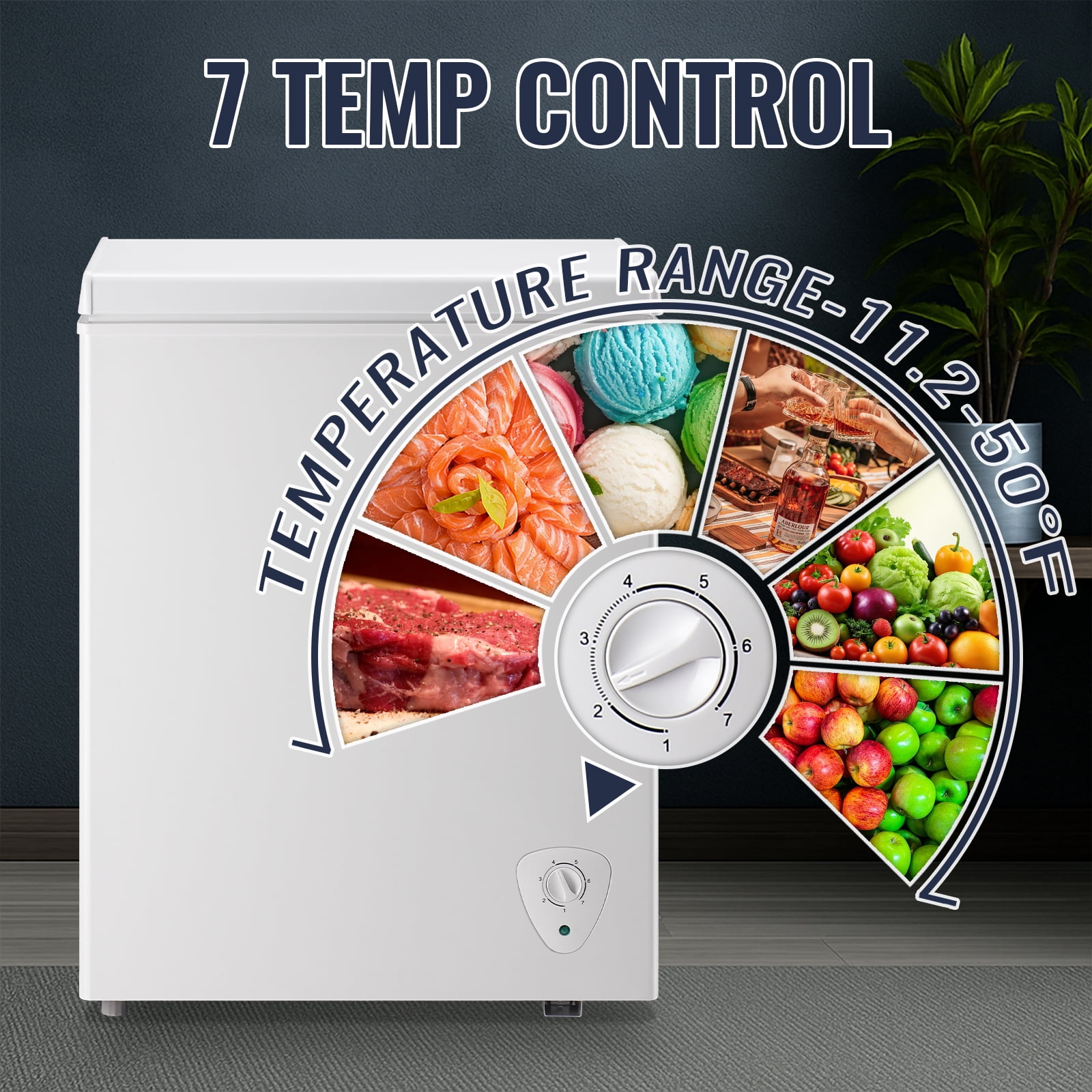
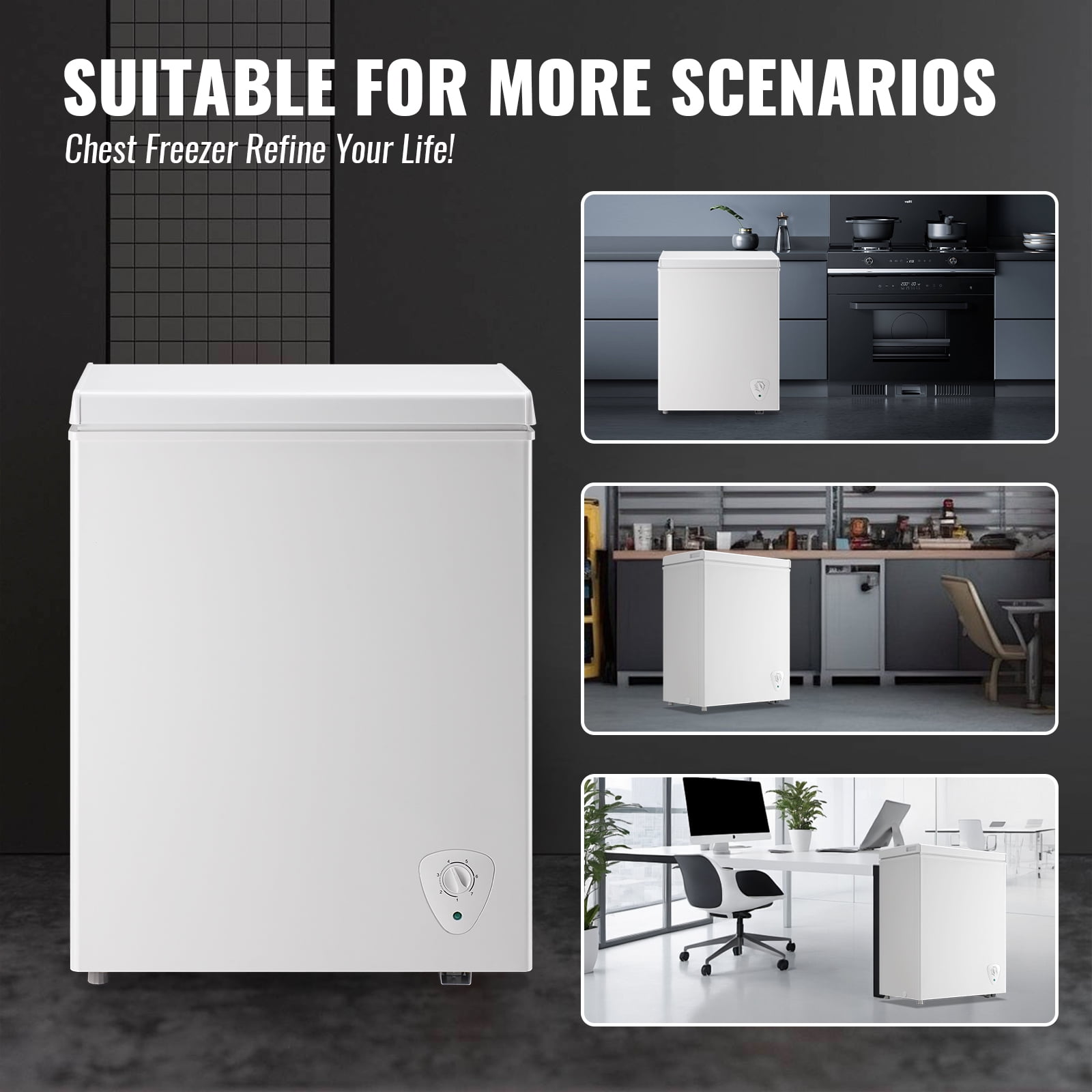 This model suits a household that needs extra frozen storage without giving up floor space for a full-size upright unit. The listing describes it for kitchens, dorms, offices, and garages, which means it works best where a dedicated spot for an appliance or a spare wall is already available. The product information lists dimensions of 15.20 by 32.20 by 32.20 inches, so it is a practical choice for a narrow wall or a corner of a utility room. Before you buy, measure the exact spot and allow room for airflow, since the listing calls for at least 2 inches of clearance at the back and sides. It runs on a corded electric plug rated at 110 volts, with a 59-inch cord, so it fits a standard household outlet and does not require a hardwired connection. At 39.2 pounds it is light enough for two people to reposition, and the built-in wheels and adjustable feet make placement easier on a smooth floor. The mechanical control switch suits someone who prefers a simple dial over a digital panel, and the seven temperature settings let you move from deep freezing to slight chilling. Households that buy meat, frozen vegetables, or bulk groceries in larger quantities will likely get the most use from the 4.2 cubic foot capacity. The top-opening, balanced hinge door and two removable hanging baskets help keep everyday items easy to reach without digging through a deep pile. Because the operating range appears differently in two places in the listing, buyers who store food at a specific temperature should confirm the setting they plan to use before they commit.
When a Different Freezer Makes More Sense
 A compact chest freezer is not the right answer for every kitchen, and this model has limits that matter for some buyers. Its 4.2 cubic foot interior is sized as a supplementary freezer, not a primary one, so a family that stocks a full week of groceries in one trip may need more room. If you need frozen storage in a tall, narrow alcove, the wide, low shape of a chest freezer may not match the layout of the space. The top-opening door means you reach down into the cabinet, which can be less convenient than a front-opening upright for some users. Items at the bottom of a chest freezer are harder to see, so a stacked layout takes more planning than a freezer with shelves and door bins. A standard upright freezer with shelves may be a better fit for someone who wants to see every item at a glance. Weight is another factor: at 39.2 pounds the unit is not hard to move, but it is not something to carry up stairs alone or relocate often. A space without a nearby outlet will need a cord run planned, since the 59-inch cord sets the limit on placement. Buyers who need a very cold, specialty temperature should compare the listed range with their own requirements before committing. In those cases, a larger upright, a built-in unit, or a freezer with a more defined interior layout will serve better than this compact model. None of these points is a defect; they reflect the design trade-offs of a compact, top-opening box.
We may earn a commission from purchases made through this link. Price and availability are not tracked on this site.
Spaces Where It Earns Its Place
 The strongest case for this freezer is a space that has no room for a second full-size appliance and still needs more frozen storage. A garage corner or basement wall is a common location, and the 110-volt corded plug can reach a standard outlet nearby. In a kitchen, it can sit beside the main refrigerator to hold bulk meat, frozen fruit, or portioned prepared meals. The removable hanging baskets are useful for sorting frozen goods into categories, so a bag of vegetables does not get buried under a block of meat. An office break room or small apartment living area may use it for a shared stock of frozen food, where the listed operation under 40 dB matters. Dorm or studio residents can use it for batch cooking, freezing leftovers, or keeping ice packs on hand for trips and gatherings. The adjustable feet help the unit sit level on slightly uneven floors. The listing gives a height of 46.9 inches with the door open, so check the lid's clearance under an overhead shelf or cabinet before placement. Dimensions also differ between the product information and the description, which lists 24.21 by 15.2 by 32.3 inches, so confirm the figure you need against your own measurements. Used in the right room, with clearance on the back and sides and a stable floor, this unit does the one job it is built for: adding practical frozen storage without a full-size appliance.
Closing: This compact chest freezer suits buyers who need an extra 4.2 cubic foot cold box for a kitchen, garage, office, or dorm and who have the floor space, clearance, and outlet to match. It is less suitable for anyone who needs a full-size freezer, shelves for easy viewing, or a very specific temperature setting without first checking the listed figures. Measuring the space and confirming the cord reach before deciding is the most reliable way to judge fit.