Choosing the Right Portable Pancake Air Compressor for Home and Garage Projects
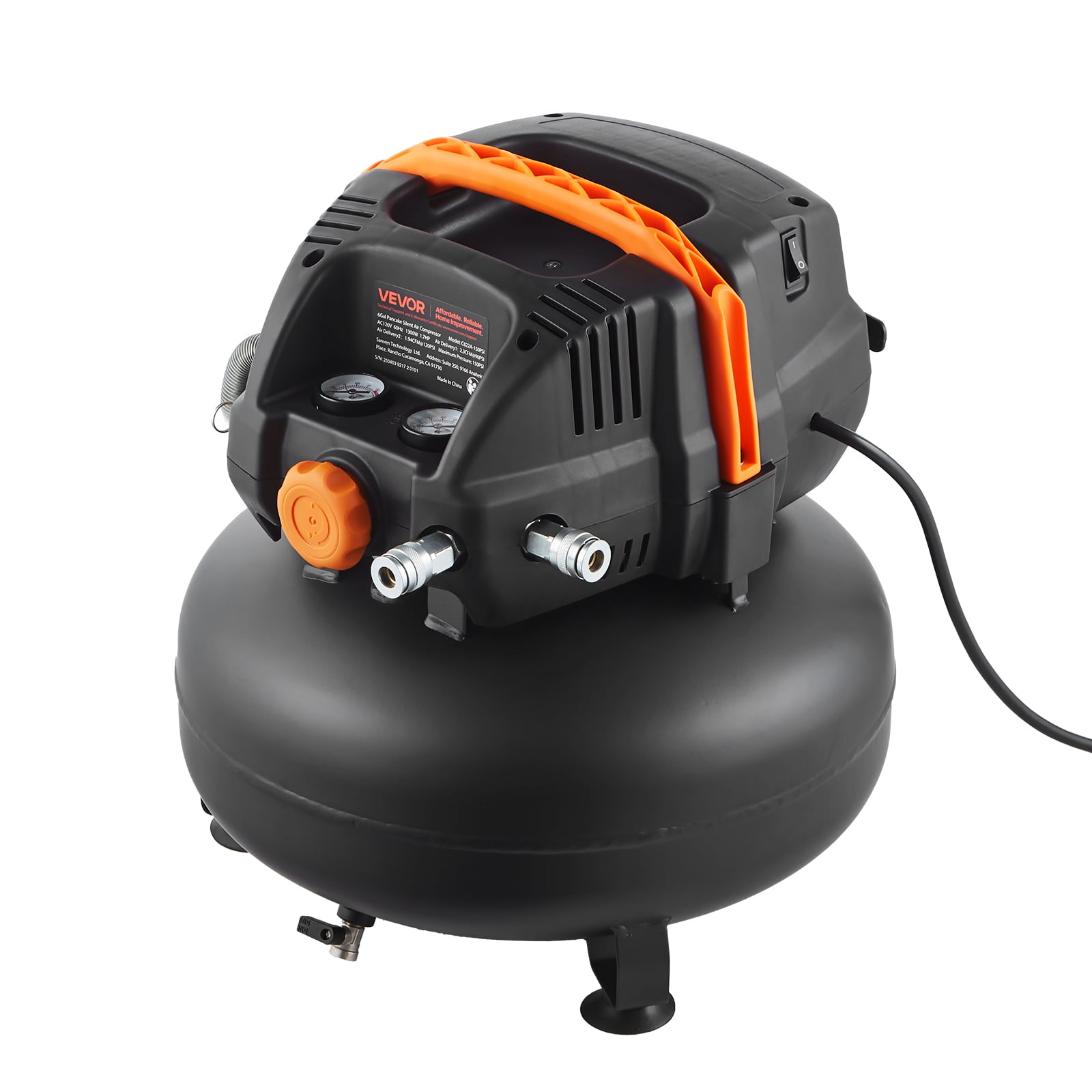
A pancake-style air compressor sits low and wide, fitting easily into garage corners and storage closets where upright tanks cannot. This type of machine powers handheld pneumatic tools—nail guns, brad drivers, paint sprayers—and handles household tasks like inflating tires and sports equipment when an electric pump is too slow or cumbersome. Understanding what a 6-gallon, 1.7 HP unit can and cannot handle before buying prevents frustration when you first plug it in.
Contents
Designed for Weekend DIY and Occasional Home Garage Use
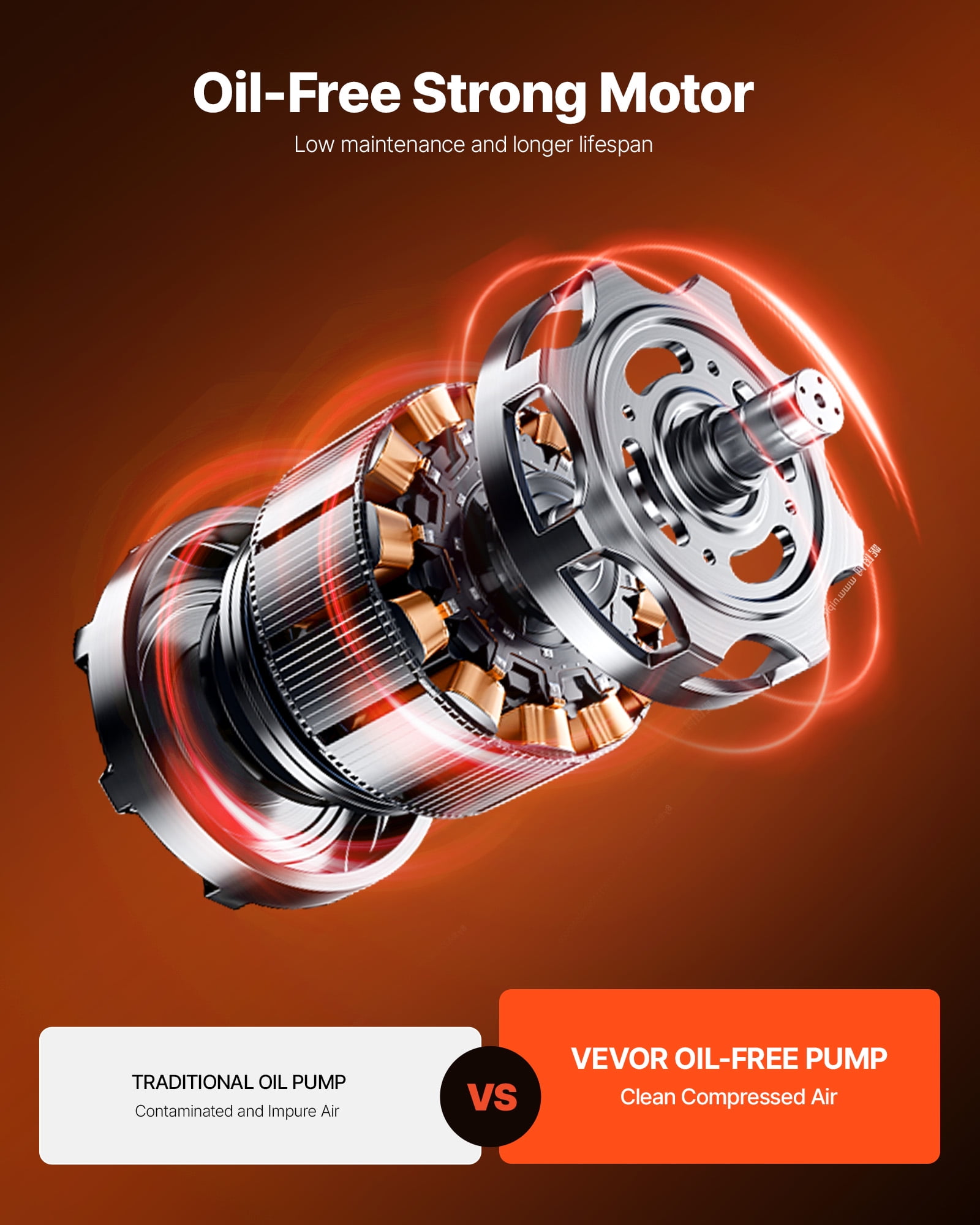
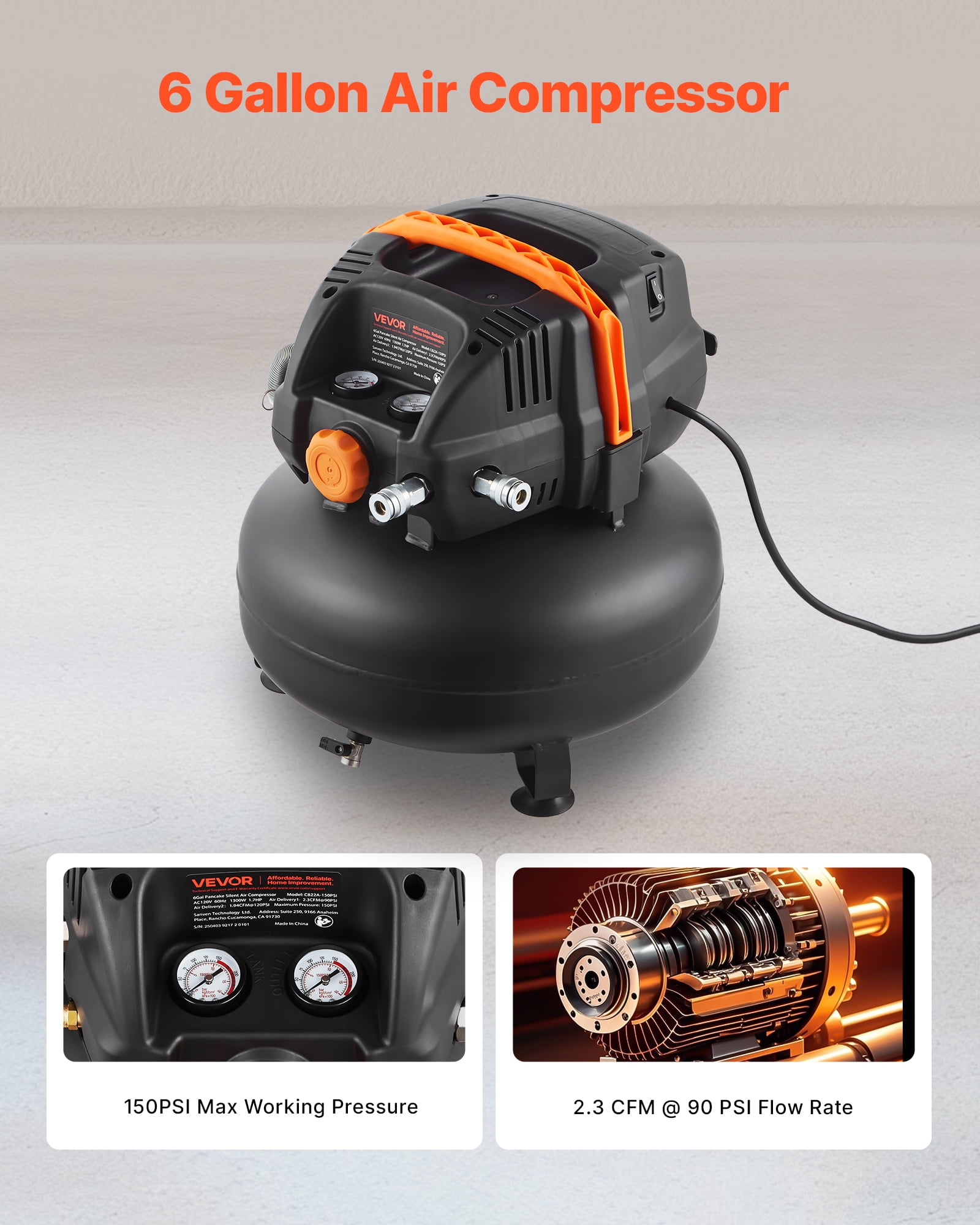 The 6-gallon tank and 1.7 horsepower motor are sized for intermittent home and hobby use rather than professional daily operation. With a weight of approximately 29 pounds and a footprint of 16 by 16 inches, this compressor fits comfortably in a garage corner, closet, or basement without occupying an entire wall. The pancake design is the key advantage here—its low profile allows it to slide under workbenches or fit into tight storage spaces where standard upright compressors simply will not fit. For homeowners tackling weekend projects—hanging baseboards with a brad nailer, inflating car or bicycle tires, or preparing a furniture piece for refinishing—the performance envelope is appropriate. The dual-pressure gauges let you monitor both tank pressure and outlet pressure simultaneously, so you see exactly how much reserve air remains and what pressure the tool is receiving. Connection comes via two quick-release couplers, meaning you can run a brad nailer and an inflation gun at the same time without swapping tools manually. The 120-volt wall outlet connection is straightforward; no special wiring is required, and the unit is ready to operate in any standard garage or workshop space. The oil-free design distinguishes this unit from older, oilier alternatives. Without an oil reservoir to maintain, you skip the periodic oil changes and filter replacements that increase cost and downtime. The motor still operates at a moderate noise level around 97 decibels—comparable to a lawn mower—so early morning projects won't draw complaints from neighbors, though it is loud enough to warrant hearing protection in enclosed spaces. This compressor is built for the owner who stores equipment seasonally, pulls it out for specific tasks, and puts it away rather than one who runs tools eight hours daily.
Limited Runtime and Airflow for Sustained Heavy-Duty Work
 The 2.3 cubic feet per minute airflow at 90 pounds per square inch is genuinely modest by compressor standards, and this limitation determines which tools you can actually operate. Spray guns and sanders that demand continuous high-volume air will deplete the 6-gallon tank quickly, forcing you to wait for the motor to re-pressurize between uses. If your project involves sustained spraying—painting a bedroom wall or the exterior of a garden shed—you will find yourself pausing repeatedly as the tank runs down, which interrupts workflow and extends project timelines. High-demand pneumatic tools like industrial sanders, impact wrenches, and heavy spray systems require 4 or 5 cubic feet per minute or more, and a smaller unit cannot sustain that draw without stalling. The compressor will cycle on and off more frequently under load, increasing wear and reducing the amount of uninterrupted runtime you get per charge cycle. For contractors, small manufacturing shops, or anyone running pneumatic tools as part of their livelihood, a larger horizontal or vertical tank—typically 20 gallons or more—is the practical choice. Similarly, if you plan to operate multiple tools at once for extended periods, the quick couplers are a convenience, but the limited total airflow means one tool will starve the other of pressure. The 150 PSI maximum pressure is adequate for most household and hobby applications, but it is not a high-pressure unit for tasks requiring sustained force at very high pressure. Noise at 97 decibels is also a consideration; while acceptable in a detached garage, it may be problematic in a shared workshop or if multiple compressors are running nearby. Seasonal storage works in your favor if you do not need air tools year-round, but for someone building a permanent shop or running a small business, investing in a larger, purpose-built industrial compressor saves frustration and downtime costs.
We may earn a commission from purchases made through this link. Price and availability are not tracked on this site.
Ideal for Tire Inflation, Fastening, and Hobby Finishing Projects
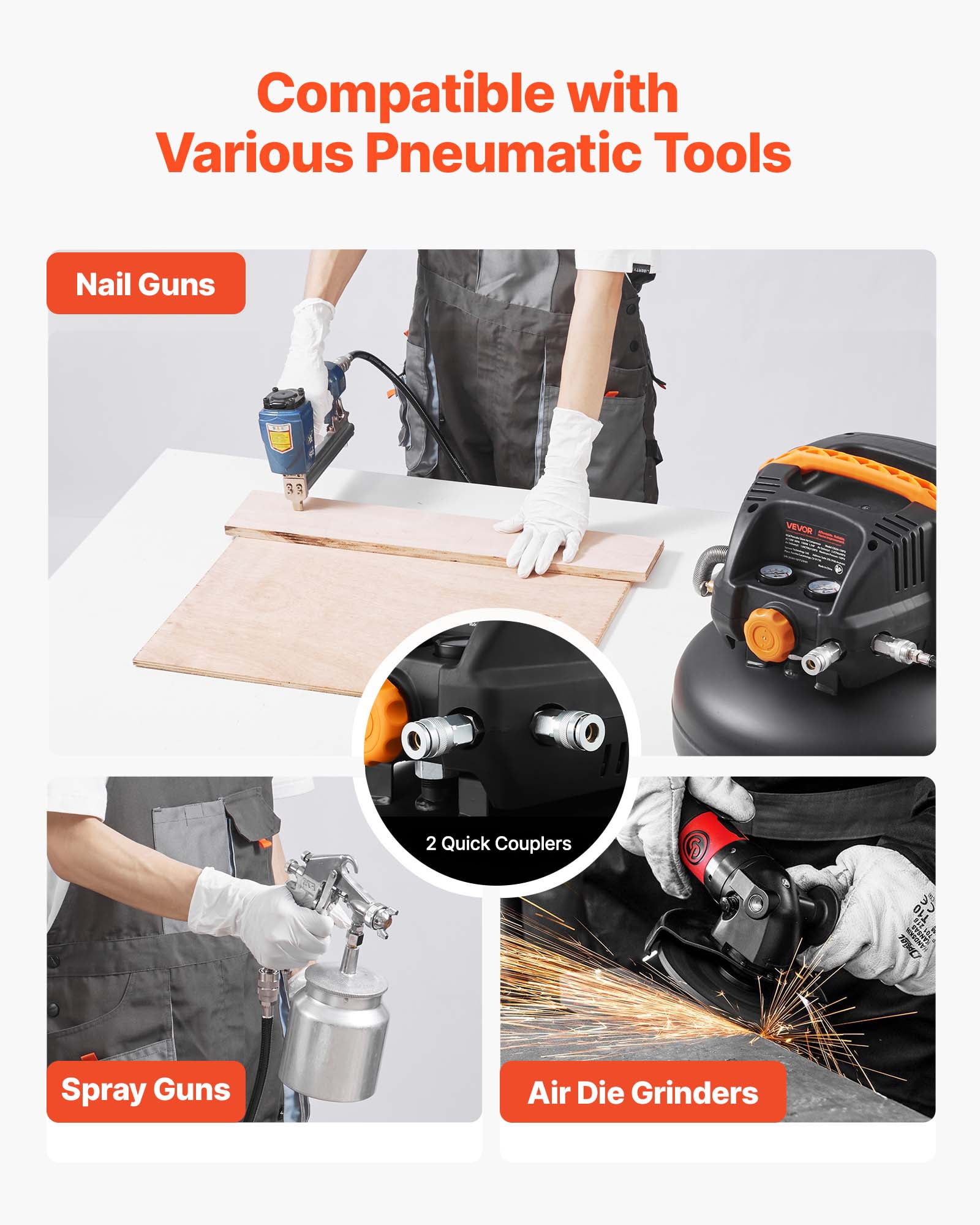 Inflating a flat car tire or sports equipment is where this compressor shines—it takes roughly 60 to 90 seconds to bring a car tire from 0 to 35 PSI, a quick turnaround for a household necessity. A homeowner installing baseboards, hanging cabinet doors, or building a deck can easily use a brad nailer for hours on a single charge, stopping only when the job is done. Hobby woodworkers applying stain, sealant, or light spray finishes on furniture pieces benefit from the compact footprint and simple setup—no special wiring or permanent installation required. The dual-pressure gauges are genuinely useful because they tell you when tank pressure has fallen enough that tool pressure will drop below operating thresholds. For someone spray-painting a single room, applying wood stain to a dresser, or touching up trim around doors and windows, the intermittent duty cycle is not a limitation—it is a feature that manages small projects without industrial overhead. The two quick couplers allow you to connect a tire gauge and a brad nailer without unplugging between tasks, a small convenience that makes moving between different jobs less tedious. Heavy-duty iron construction and anti-slip rubber feet keep the unit stable on a concrete garage floor or workshop bench, even when fully pressurized. The safety valve and motor overheat protection provide operational safeguards for equipment that will sit unused for months between seasonal projects. Because the unit runs on 120 volts, it requires only a standard outlet—the kind every garage has—removing the ownership barrier for anyone without dedicated three-phase power infrastructure. This compressor suits the homeowner managing intermittent pneumatic tasks, who values storage convenience and is willing to accept brief pauses between uses in exchange for portability and low maintenance demands.
The pancake compressor finds its place in home garages and hobbyist workshops where quick access to modest air pressure matters more than continuous runtime. It is not the tool for contractors who depend on pneumatics for eight-hour workdays, but it is the right choice for someone who values portability, simple storage, and the ability to handle household inflation and fastening tasks without a large footprint or installation commitment.