Metal Pegboard Tool Storage Kit: Is Steel Wall Storage Right for Your Garage?
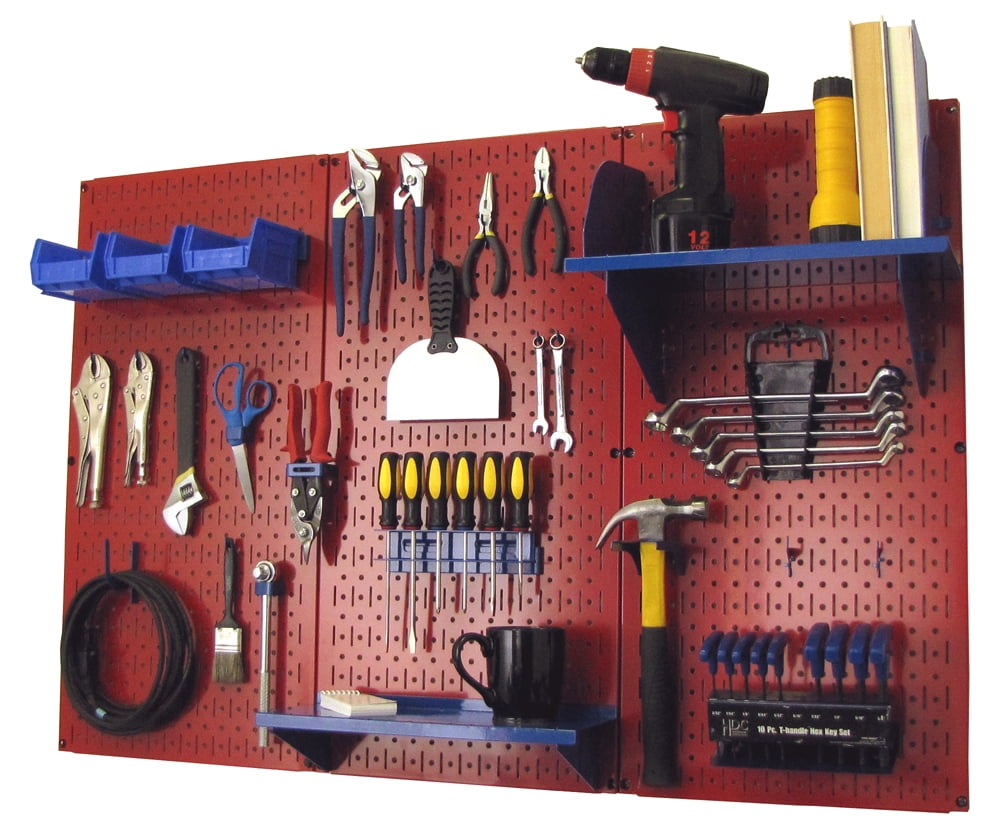
A cluttered workbench usually means tools are sitting wherever they were last used instead of where they belong. Wall-mounted pegboard is a widely used way to move hand tools off the bench and into view, and the category includes several distinct versions with different materials, mounting methods, and hook systems. This article looks at a 4-foot metal pegboard kit from Wall Control, sold as a set of red steel panels with blue slotted accessories, and compares it with the other options a home garage builder is likely to consider.
Contents
Where a steel pegboard kit fits in garage wall storage
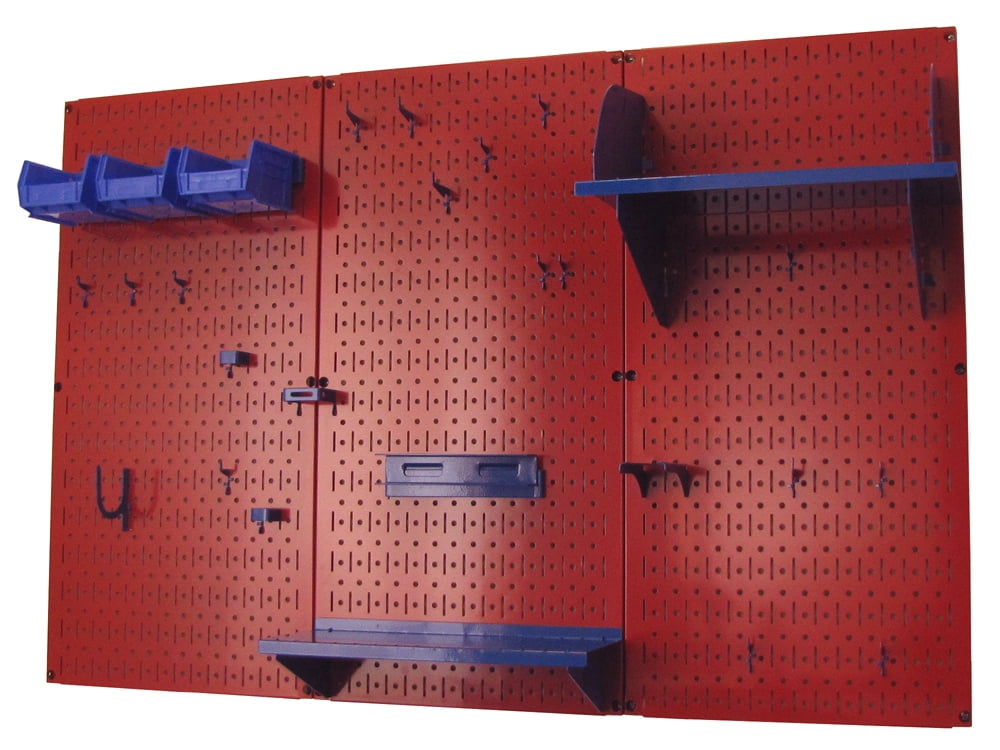 Garage wall organization covers a wide range of products, from slatwall and track rails to pegboard panels and freestanding cabinets with hang-on hooks. Within that group, pegboard is the format that accepts the largest variety of small hooks, so it suits people who own many hand tools of different shapes and sizes. This item is a kit rather than a single panel: three panels measuring 16 inches by 32 inches each mount side by side to form a 48-inch by 32-inch working surface, which the product description places at over 10.5 square feet of pegboard storage space. The panels are made of 20-gauge steel with a red powder-coated finish, a material choice that differs from the hardboard and particleboard panels common in many garage setups. Because the panels are metal, the listing states they mount directly into studs or sheetrock without a separate backing frame. The overall panel height of 32 inches means the kit covers a band of wall rather than a full wall, so it tends to work best above a workbench, beside a garage door, or along a short section of wall where tools are already used. The complete kit weighs 30 pounds according to the product information, which is a figure to keep in mind when deciding how many studs the mounting plan will need to reach. The piece count of 30 includes the three panels, a 9-inch shelf assembly, a 6-inch shelf assembly, three plastic hanging bins with a bin hanger, a screwdriver holder, a hammer holder, and an assortment of 20 additional hooks and brackets. Tools themselves are not included, so the buyer supplies the wrenches, drivers, pliers, or power tools that will hang on the wall. The recommended-use field in the product information lists wall-mounted storage, tool storage, tool organization, and power tools, which points to a wall of hand tools and small power tools rather than bulk equipment. Anyone deciding whether this format belongs in their garage should first picture the job the wall has to do, whether that is holding a full set of wrenches, a drill with its bits, or a range of clamps and levels.
Metal pegboard compared with wood, slatwall, and open shelving
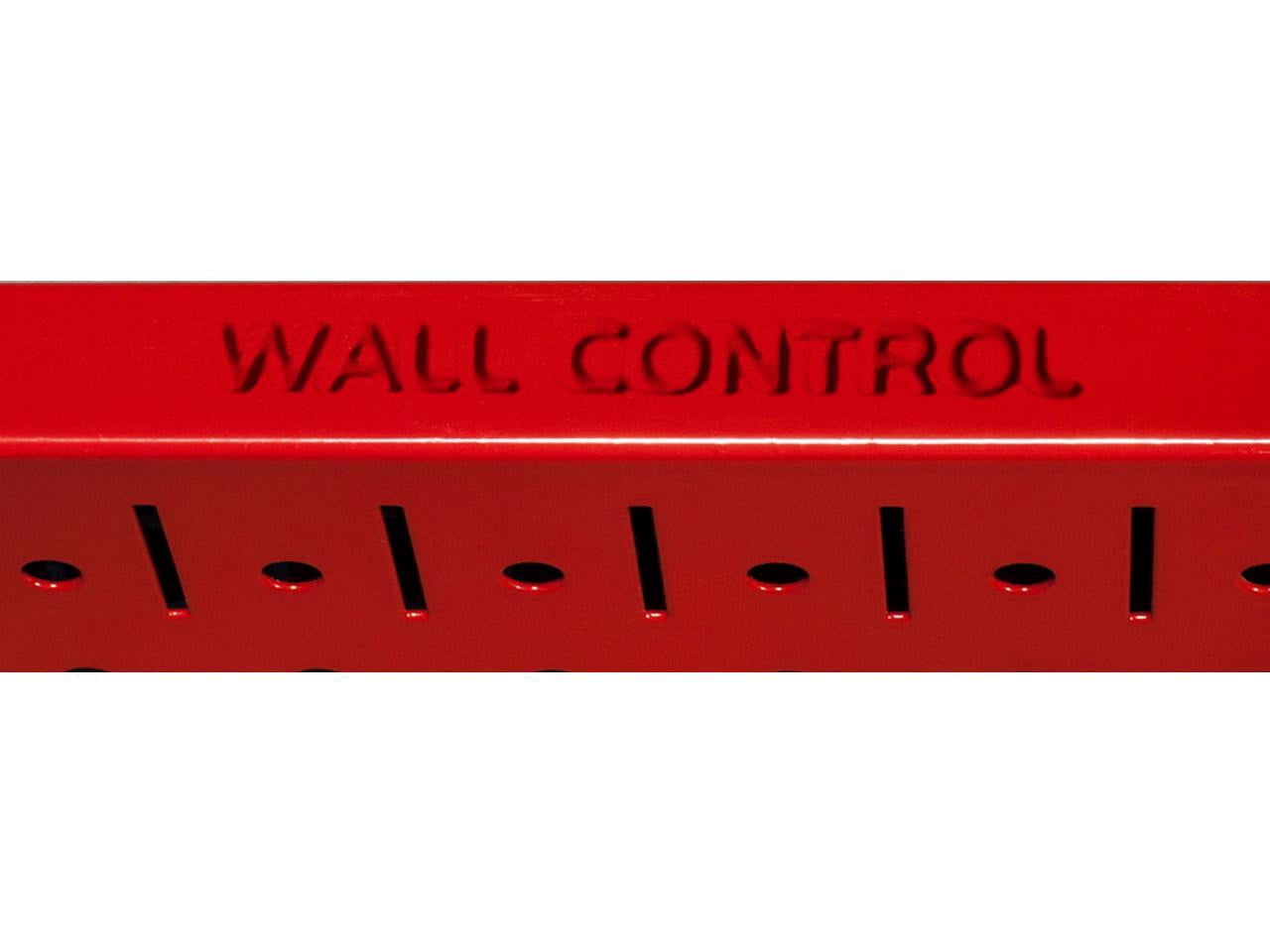 Choosing a wall system usually comes down to comparing material types, and each one changes how the storage behaves over time. Hardboard and plywood pegboard are lighter and easier to cut to a custom size, which helps when a wall has an unusual width or an obstruction such as a window casing. Those wood-based panels are more likely to swell in humid conditions and to show dents or wear around holes after repeated hook loading, which is a practical concern in a garage that gets temperature and humidity swings. Steel panels hold their flat shape more consistently under the weight of loaded hooks, although the listing's statement that the metal will not warp, fray, or crack is manufacturer language rather than a test result, so it should be read as a stated feature. Slatwall is the other common option, using horizontal grooves that accept proprietary hooks and brackets, and it generally gives a cleaner look with fewer exposed holes. The trade-off with slatwall is that its hooks are often tied to a single manufacturer's system, which limits which accessories will fit. The pegboard in this kit has both slots and conventional 1/4-inch holes, so it accepts standard pegs sold for generic hardware as well as the slotted hooks included with the kit, which gives the buyer more room to mix accessories. The slotted accessories are designed around the slot pattern of this specific system, so loose hooks from another line may not seat securely and should be tested before anything heavy is hung. The preformed 3/4-inch return flange, described in the listing, sets the panel face away from the wall, which gives hooks room to hang tools without rubbing against the surface. Open shelving offers the most flexible storage for bulky items, but it takes up floor or wall depth and leaves small tools piled together rather than displayed for quick access. A pegboard wall keeps frequently used tools visible and within reach, which saves time when the same driver or socket is needed several times during one project. What the reader gives up with any open wall system is the enclosed protection of a cabinet, since dust and grime can settle on exposed hooks and small parts left loose on a shelf can fall during a project. Anyone who mainly stores large, odd-shaped items should weigh that against a hook-based design, because long-handled tools and bulky equipment often need a different type of support.
We may earn a commission from purchases made through this link. Price and availability are not tracked on this site.
Measurements and checks to make before you buy
 Start by measuring the wall space available, since the complete kit covers 48 inches wide by 32 inches high once the three panels are installed side by side. Check that the planned area is clear of light switches, electrical outlets, door swings, and window trim, and confirm that the panels will sit above any workbench or shelving already in use. Locate the wall studs with a stud finder before choosing a mounting plan, because the listing says the panels mount into studs or sheetrock and the spacing of studs determines where the screws can get a secure grip. The kit includes screws and sheetrock anchors, but the product information does not state a load rating for the anchors, so a reader who plans to hang heavy equipment should not assume the included hardware is sized for that purpose. Confirm that the wall can carry the 30-pound weight of the kit plus the tools placed on it, and remember that loaded hooks add their own weight to the panels over time. Count the tools that need to hang and compare that number with the 20 additional hooks and brackets, the screwdriver holder, the hammer holder, and the three plastic hanging bins included in the kit. Measure the longest tool in the collection, because the 32-inch panel height limits the vertical space available for tall items such as long-handled shovels, pry bars, or pushbrooms. Consider how the red panels and blue accessories will look against existing garage finishes, since the color contrast is a visible part of the design and will be the first thing noticed on the wall. Compare the packing list with the contents of the box when it arrives, checking for the 30-piece count and each listed item, including the two shelf assemblies and the bin hanger. Because tools are not included, plan to gather or purchase those separately and keep the combined weight of the hung tools in mind. Installation that involves drilling into a load-bearing wall, masonry, or any wall with concealed wiring or plumbing is commonly handled by a licensed professional, and that work falls outside what this article covers. Taking these measurements and checks before ordering helps match the kit to the wall, the tools, and the space.
Choosing this kit means accepting a fixed, panel-based layout in exchange for a steel surface, a return flange that holds tools off the wall, and a mix of slotted and standard peg-hole compatibility. Readers who need enclosed storage, or who expect to hang very heavy or oversized equipment, should compare other storage categories before committing to a pegboard wall.