Queen Memory Foam Mattress: Materials, Dimensions and Build Explained
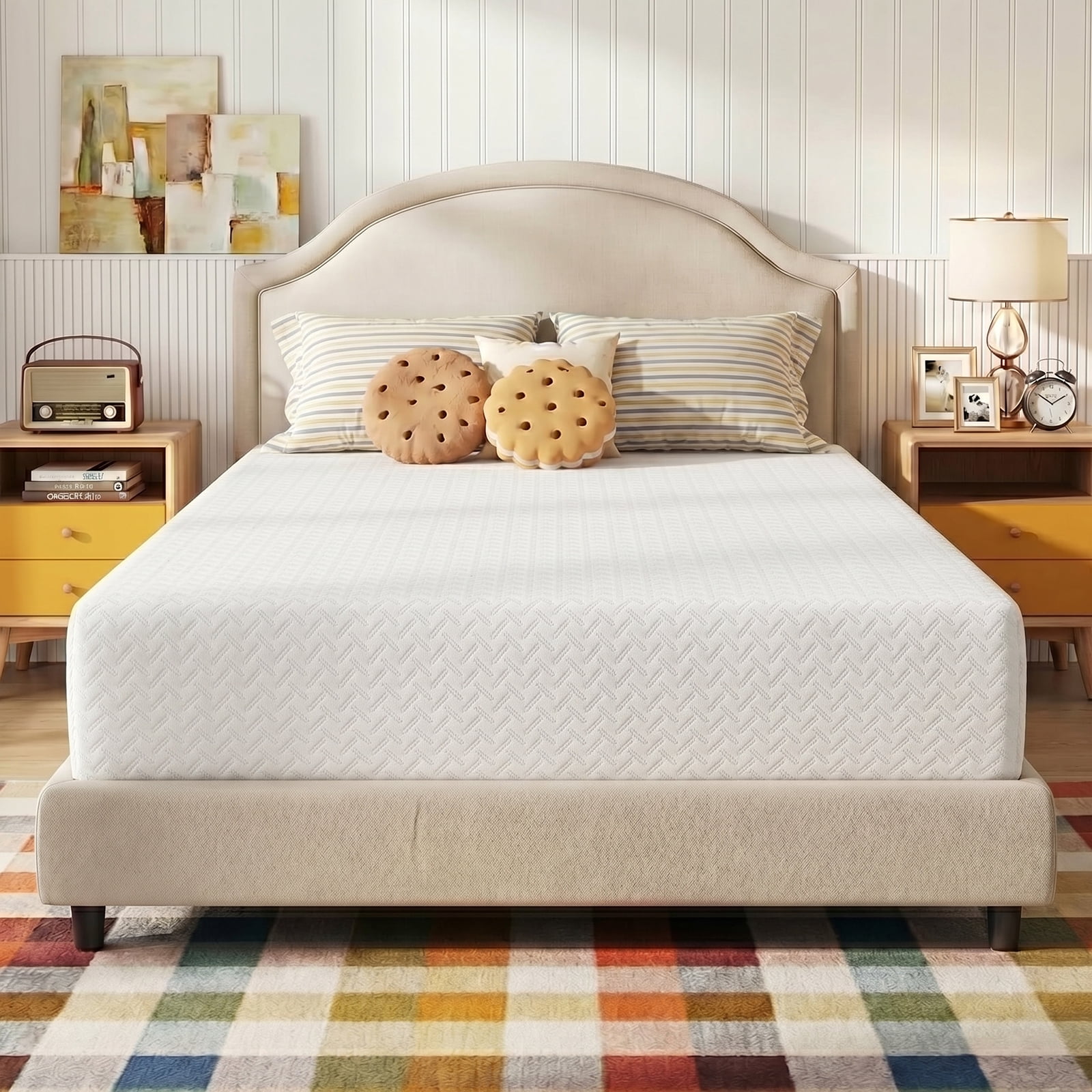
Memory foam bedding has become a common choice for people who want a surface that contours to the body, and the layers underneath decide how that feel turns out in practice. A queen mattress spreads its weight across a larger sleeping surface than a full or twin, so the stack of foam, coils and base has to work evenly from edge to edge. This guide walks through how one 10-inch queen memory foam mattress is put together, how it arrives and sets up, and what daily care involves. The measurements and materials below come straight from the product listing so you can check them against your own bed frame and room.
Contents
What the Mattress Is Built From
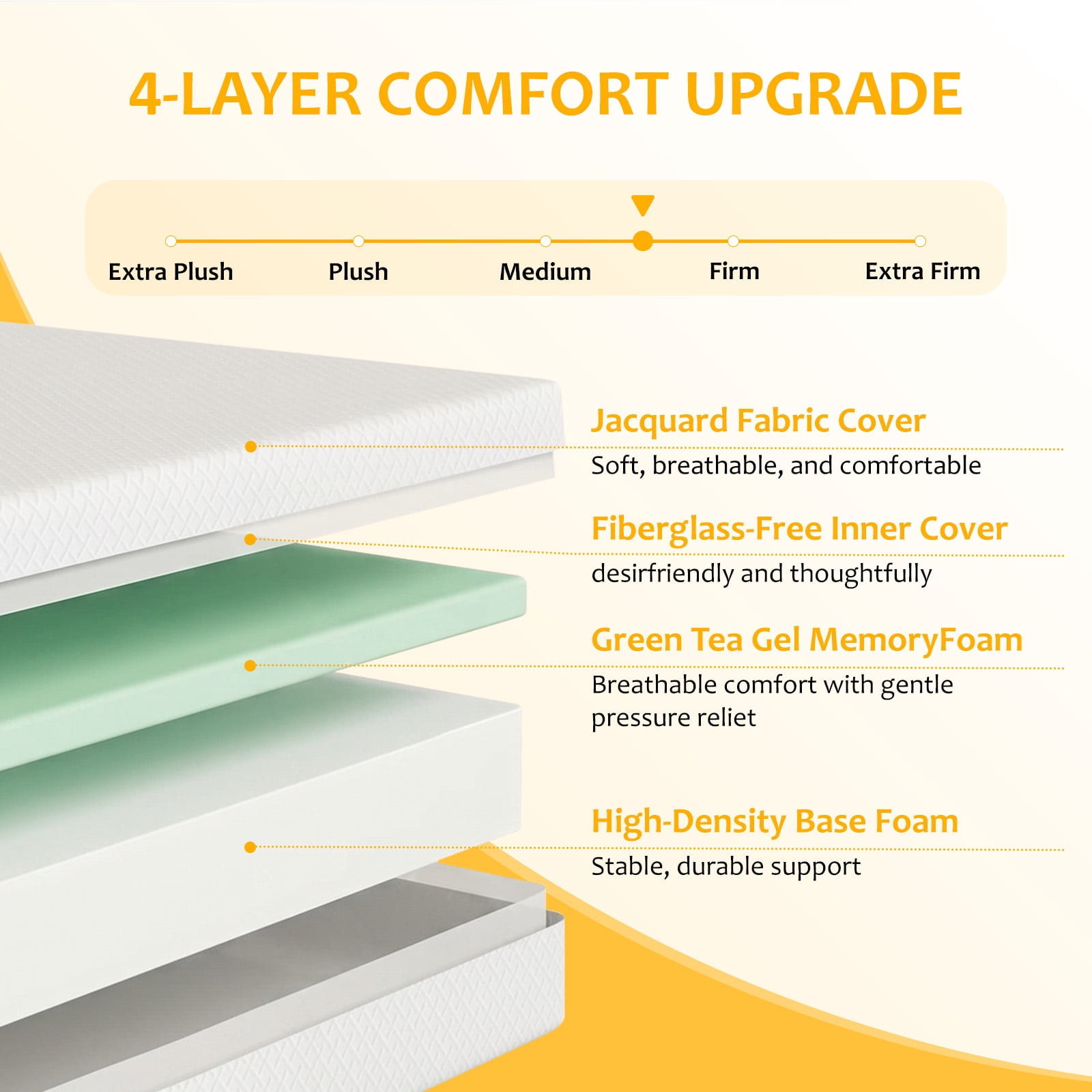
 Start with the stack, because each layer does a different job. The mattress measures 60 inches long by 80 inches wide, which is the standard queen footprint used for most queen frames, and it stands 10 inches thick from base to top. The listed weight is 113 pounds, so plan for two people to lift it, clear a path from the door to the bedroom, and set the box down close to the frame. Three layers make up the build: a soft, moisture-wicking knit cover in white, a memory foam layer infused with gel, and a coil support base. The gel-infused foam is described as part of a breathable hybrid design, and the listing ties it to a cooler sleep surface for warmer sleepers. Beneath it, individually wrapped coils sit inside a zoned pocket spring base, which the listing says helps reduce movement across the bed. The listing describes the top as tight top, meaning the cover is sewn down rather than quilted with a loose panel. Reinforced edge support runs around the perimeter to help resist sagging when you sit on the side of the bed. Seven-zone targeted support is described as varying across the shoulders, hips and lower back instead of acting as one flat surface across the whole bed. The product data also labels the foam as CertiPUR-US certified, and that claim should be checked against the seller's documentation before you decide. The listed firmness is medium, so think about whether that matches the surface you sleep on now.
Setting It Up on Your Frame
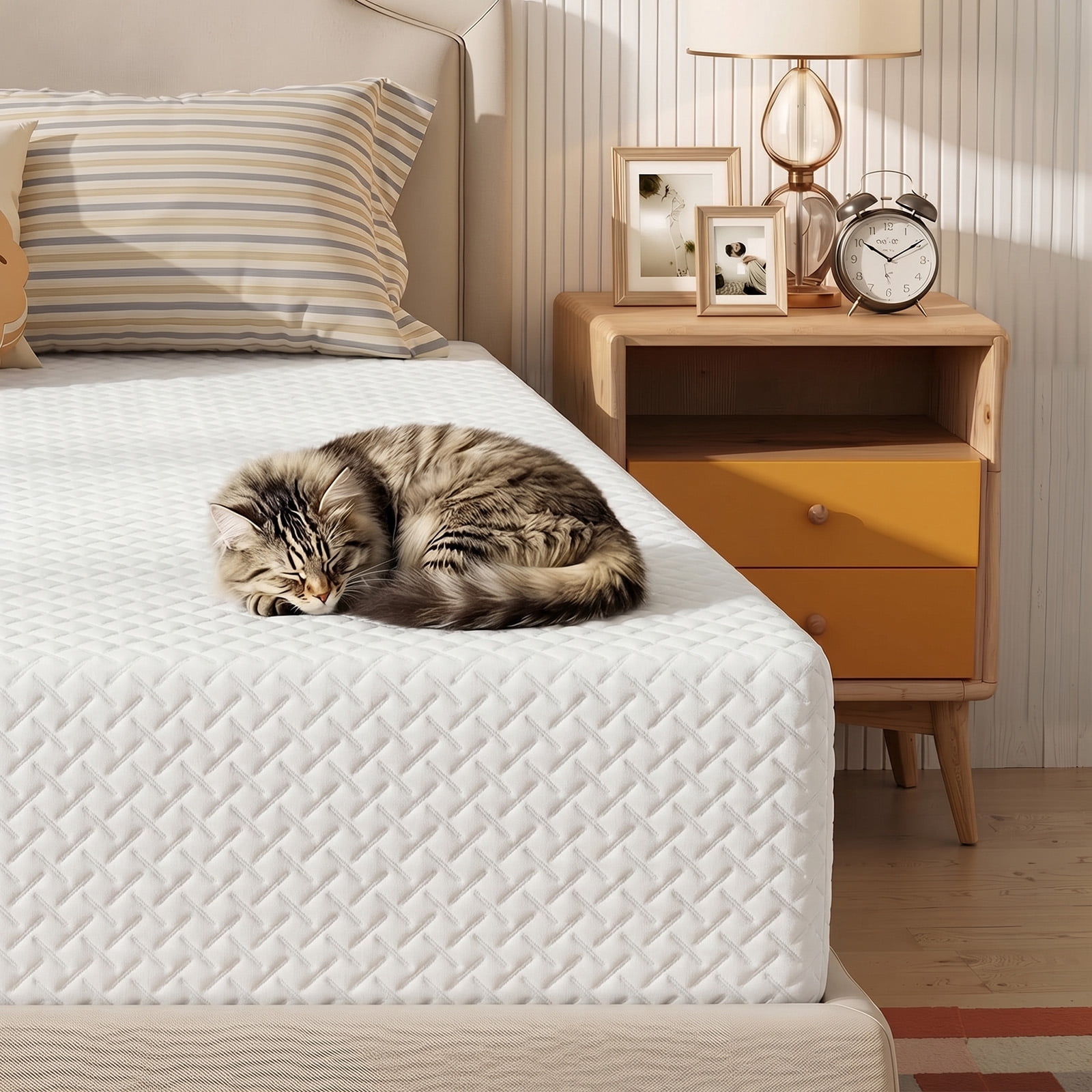 Setup begins with the box, and the listing shows no assembly requirement for this mattress. The mattress arrives compressed, so the job is to unbox it, unroll it, and let it fully expand within the 24-72 hours the product description gives before you make the bed. Give it room to open on a clear floor, because a mattress that is 60 inches by 80 inches needs more space than the folded package suggests. Before choosing a foundation, measure your frame's interior length and width against 80 inches and 60 inches. The listing names box springs, slats, platform beds, bunk beds and adjustable bases as compatible foundations, so check each one against your bed type. Look at the slat or deck spacing as well, because a support surface with wide gaps can change how evenly the foam rests. The product data lists a max load of 650 lb, and that figure should be read as the mattress's stated limit rather than a target. Check the foundation's own weight rating too, since the frame or adjustable base carries that load alongside the mattress. With a listed weight of 113 pounds, a second person is useful when you move the mattress onto a platform or a bunk frame. Electrical or structural work sometimes comes up with adjustable bases or platform beds, and that work is commonly handled by a licensed professional rather than done as a home project. Confirm the mattress sits flat and square on the foundation before you sleep on it, so the edges line up with the frame.
We may earn a commission from purchases made through this link. Price and availability are not tracked on this site.
Daily Care and the Parts That Wear
 Daily living with this mattress centers on three parts: the knit cover, the foam and the coil base. The cover is described as soft and moisture-wicking, and the most practical care step is to check the manufacturer's care label before cleaning it. Avoid soaking the cover or the foam, because liquid that reaches deep foam layers can take a long time to dry and may leave the core damp. Use a mattress protector only if the maker allows it for this model, since some protectors change how the surface breathes. Vacuum the surface with an upholstery attachment every few weeks to remove dust and loose debris from the knit. The listing does not specify a single rotation method, so check whether the maker recommends rotating or flipping before you set a schedule. Over years of use, the edges and coils are where dips or uneven support tend to show first in any innerspring-based bed, so inspect the perimeter at regular intervals. Foam can soften and change feel with heat and weight over time, so keep the bed away from radiators and direct heat sources. The product data lists a 10-year limited warranty and a 30-night sleep trial, and reading their full terms is worth the time before you rely on either. Pets and children may leave spots on the cover, so spot cleaning soon after an accident is usually easier than waiting for a stain to set.
This 60-by-80-inch, 10-inch queen memory foam mattress suits a primary bedroom, guest room or bunk setup where the frame and room measurements match the listed dimensions. Measure the frame, confirm there is space to unbox and let the foam expand, and review the listed certification and warranty terms before you decide.