Solar Hemp Rope String Lights: Setup Notes for Indoor Rooms and Outdoor Evenings
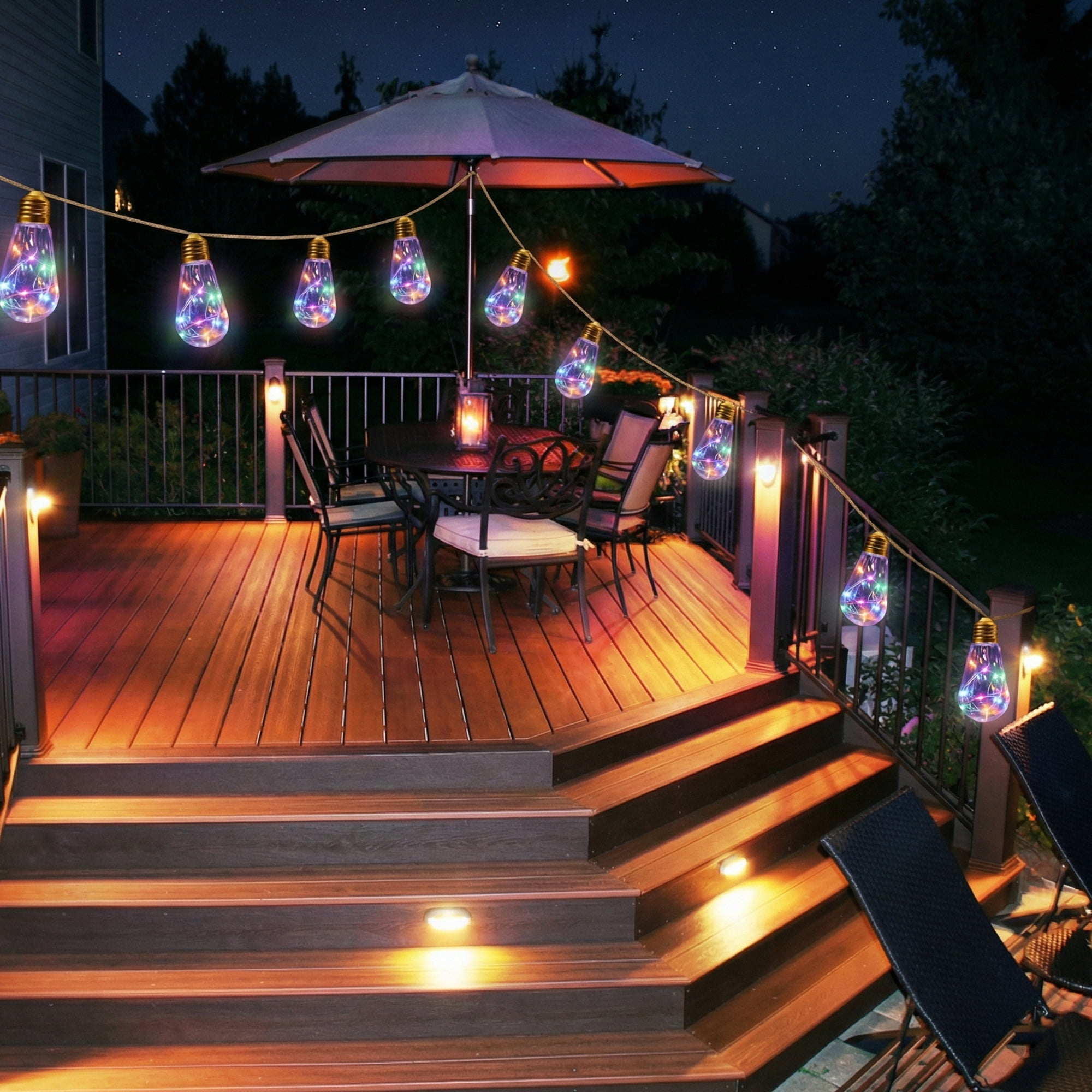
The sun drops behind the fence a little after six, and the backyard goes from gray to dark in about the time it takes to carry out a tray of drinks. Many people reach for a lamp at that point, then discover the cord will not reach the table they want to light. A solar string light sidesteps that problem by moving the power source outdoors and leaving the strand free to drape wherever the eye goes. Here is a practical look at a 20-foot hemp rope set with 16 multicolor bulbs, covering the rooms it suits, the work of setting it up, and the measurements worth taking first.
Contents
Indoor Rooms: Where the Hemp Rope Set Fits
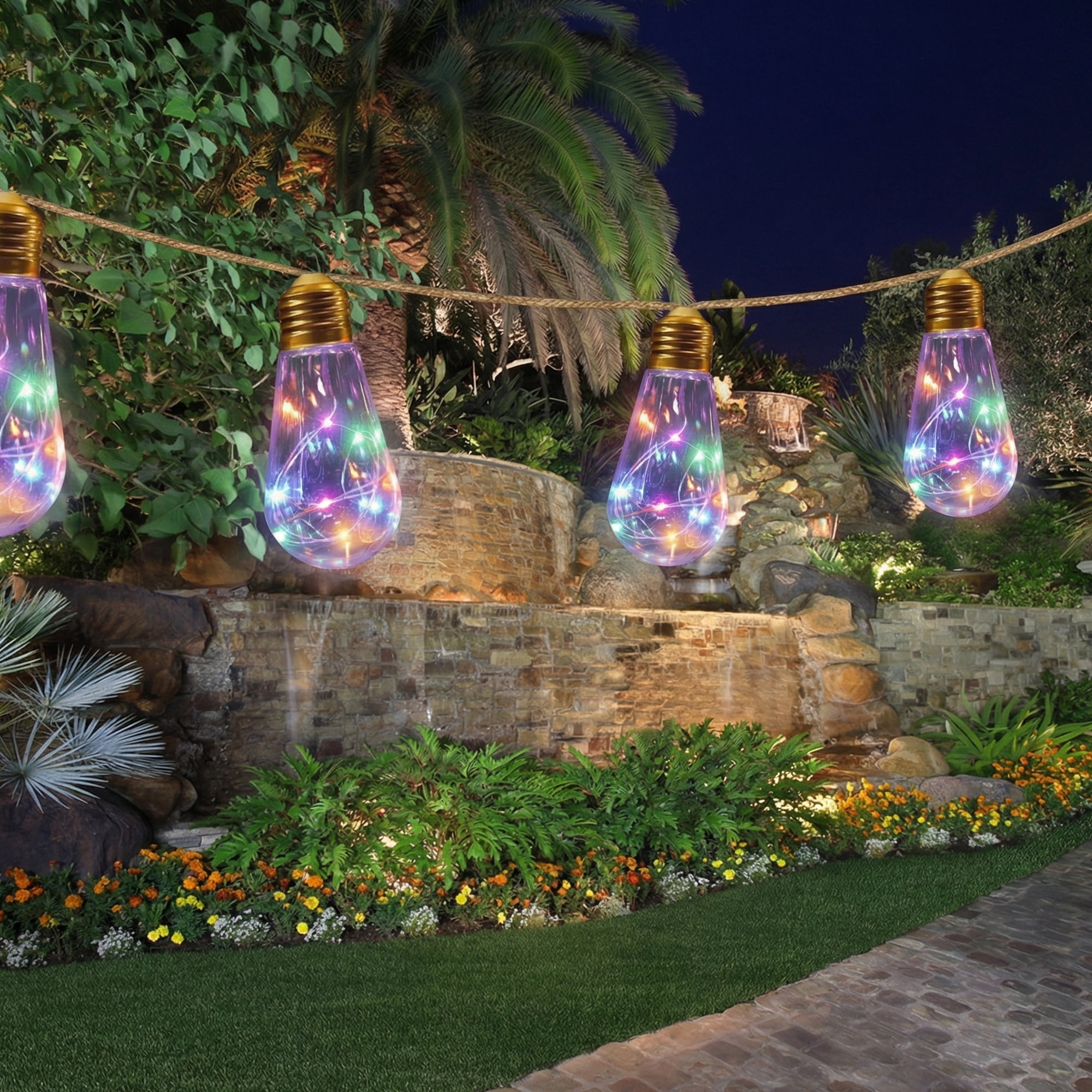 Indoors, the first question is which surface the lights will touch, because the rope and bulbs are the parts that sit against walls, shelves, and beams. The listing describes natural hemp rope paired with 16 multicolor bulbs, each U-shaped and spaced 9.84 inches apart along the strand. That spacing decides how many bulbs land on each foot of a mantel or bookcase, so measure the run before you commit. The full set is 20 feet of lighted length, and the listing gives a total of 6 meters, made up of 4 meters of light string plus 2 meters of lead wire. The lead wire is the part people most often underestimate, so decide where the solar panel will sit before you decide how far the lights must travel. Indoors, the panel does not need to share a wall with the bulbs, but it does need a spot where it can see daylight, and a window ledge is the most common choice. The bulbs are listed as plastic and the strand is natural hemp rope, so the set reads as rustic rather than glossy. The lead wire is yellow, which shows against a pale wall, so either route it along a dark trim line or accept it as part of the look. The listing describes eight lighting modes, from steady colors to dynamic flashing patterns, plus a memory function that recalls the last setting you used. That matters in a living room where the lights may be switched on and off most evenings. The listed wattage is 3 W, and because the set runs on solar rather than a wall outlet, there is no cord to route to a plug and no outlet to share with a lamp. The listing also describes the product as a single piece in retail packaging, so there is one strand to unpack and one panel to position. Before you hang anything, lay the strand on the floor and count the bulbs, because the listing specifies 16 and a missing bulb is easier to spot on the floor than on a mantel. The listing includes an ingestion hazard notice: the product contains a battery, and new and used batteries should be kept out of reach of children. Store the set somewhere high and closed when it is not in use.
We may earn a commission from purchases made through this link. Price and availability are not tracked on this site.
Outdoor Setup: Staking the Panel and Planning the Run
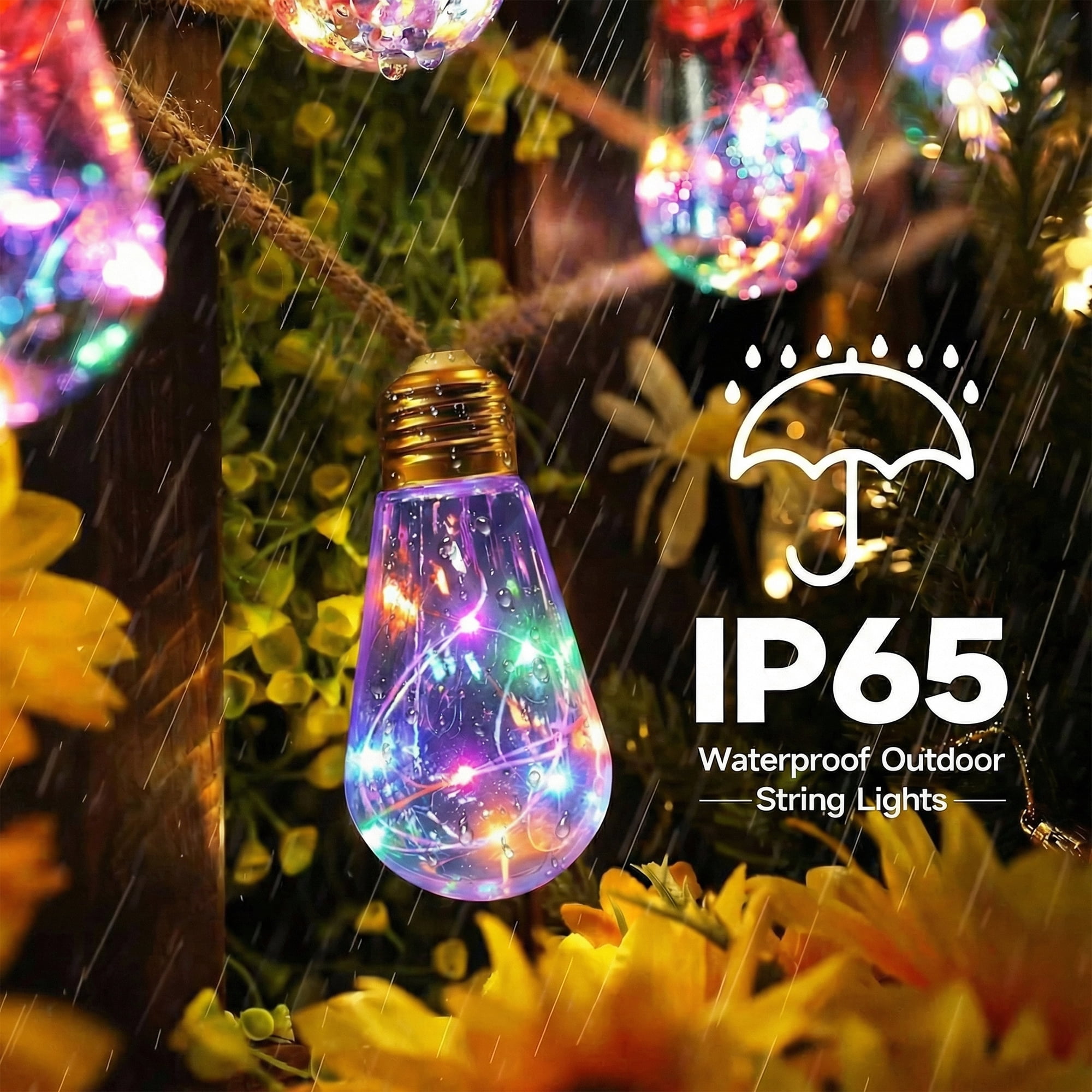 Outdoors, the job is less about the lights and more about the sun. The listing says the included solar panel comes with a mounting stake, which slides into soil for setup, so a garden bed, a planter, or a patch of lawn at the edge of the patio is the usual spot. Pick a location that gets direct daylight for most of the day and is not shaded by the eave, the fence, or the tree you plan to wrap. Next, plan the route of the 4 meters of light string. The listing describes the strand as suited to patios, porches, gazebos, balconies, and garden spaces, so trace the path with a tape measure before you attach anything. Measure the distance from the stake to the first post or hook, then add slack so the lead wire can sag without pulling on the connection. Gazebos and porches usually have a beam or railing to hang from, but the listing does not include hooks or clips among the included items, so bring your own and confirm the surface can hold a light strand. The listing states the set is IP65 rated, which describes its resistance to dust and water, and it says the set is built to withstand rain and snow. A rating describes resistance, though, not a promise that the set will never be damaged, so keep connections above puddles and away from gutters where water pools. The listing states that the lights run up to 12 to 15 hours of continuous glow, and the actual time depends on how much sun the panel receives. In a cloudy week, expect shorter run times, and plan around that by checking the panel before a gathering. Seasonal use is the other half of the job. In late fall, when days shorten, the panel will charge for fewer hours, so position it where the low sun still reaches it. Before winter storms, bring the panel and strand indoors if you can, since the listing does not describe a cold-weather rating. Store the set dry and coiled loosely, and avoid sharp bends near the lead wire.
Most households will switch these on for holidays, summer gatherings, and a handful of evenings in between, so expect regular but seasonal use. Measuring the run and placing the panel in direct sun before the first evening will matter more than any other decision you make.