Metal Replacement Doors for Commercial Equipment: Material and Installation
Replacement parts for commercial equipment must match factory specifications exactly. A metal door for this equipment is a straightforward component made to function like the original. Understanding what goes into the door itself—its material composition, dimensions, and construction—helps you make confident decisions when equipment maintenance becomes necessary. This overview covers the practical details of how commercial metal doors are built and what to expect from this specific part.
Contents
Metal Construction and Specifications
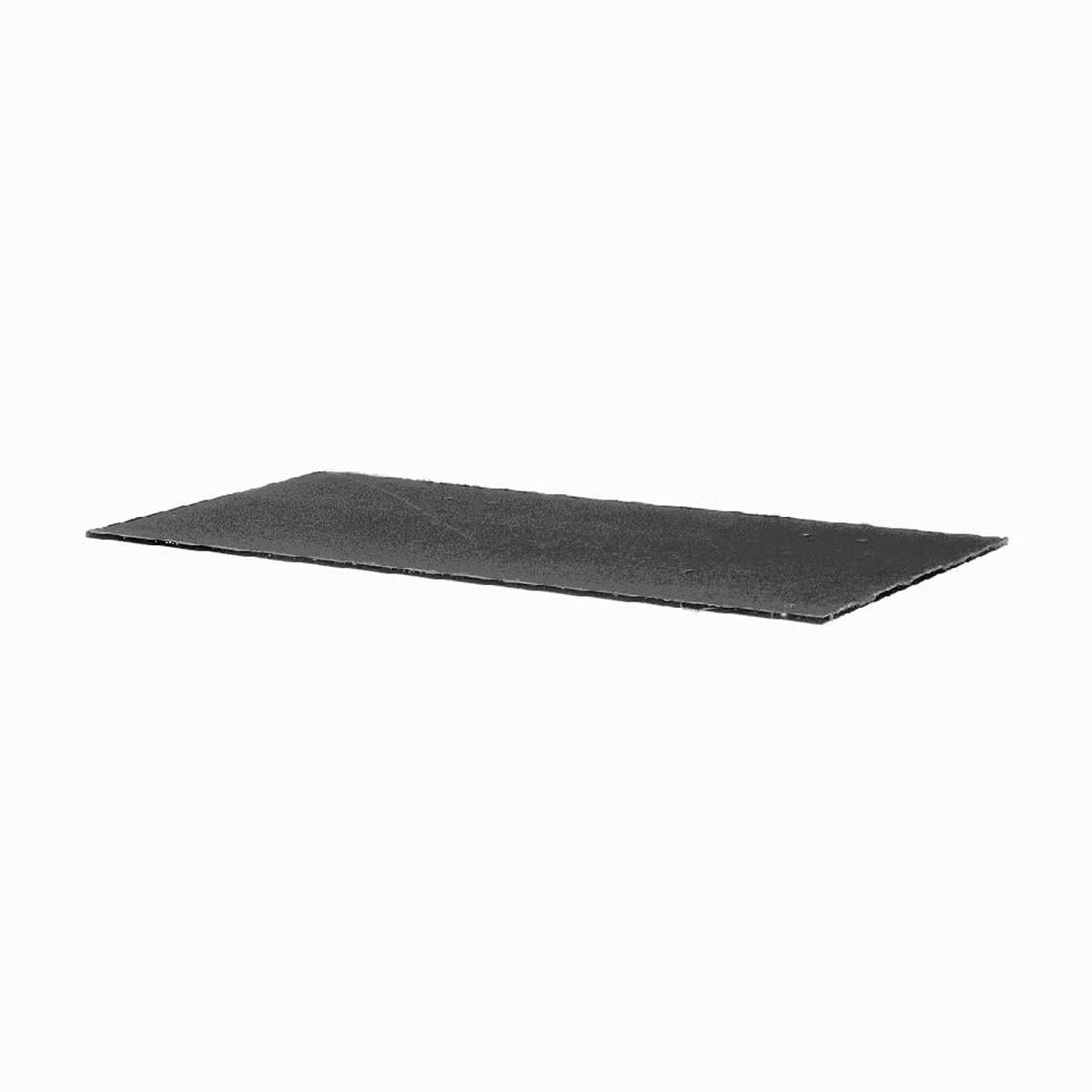
Commercial equipment doors are made from metal because it withstands frequent use and cleaning cycles. This particular door measures 8.39 inches wide, 16.55 inches tall, and 0.12 inches thick, dimensions that correspond to the factory opening it closes. The door itself weighs 0.72 pounds, making it light enough for one person to handle during removal or installation yet rigid enough to provide a secure seal. OEM parts are manufactured to the same dimensional tolerances and material standards as original factory components, which matters because even small variations in thickness or width can prevent proper fit. The multicolor finish typical of commercial equipment doors indicates a durable powder-coat or similar surface treatment designed to resist corrosion and staining from kitchen or food-processing environments. Metal doors of this type are stamped or formed from sheet metal rather than cast, a process that keeps them flat and ensures consistent thickness across the door face. The thinness—just 0.12 inches—is intentional, as it allows for smooth operation without excess weight while providing adequate rigidity. Understanding that this is an individual component, not an assembly, means installation focuses on the door itself rather than any internal hardware that may be pre-installed. When examining the door before purchase or installation, checking that it lies flat and shows no dents or warping is important, as metal doors can be bent during shipping or storage.
Installation and Mounting Process
Installing a replacement metal door typically involves removing the old door first by unbolting or unlatching it from hinges or a frame. Most commercial equipment uses simple hinge attachments or slide-in tracks that do not require specialized tools beyond a basic wrench or socket set. The door must be aligned carefully with the opening to ensure it closes properly and forms a tight seal with gaskets or latch points already in place on the equipment frame. The specific mounting points depend on the equipment model, which is why OEM parts are built to exact factory measurements—a door made to different specifications would require modification or shimming, creating gaps or misalignment. Before installing the new door, clean the frame and hinge areas to remove any grease, food residue, or mineral buildup that could interfere with fit or operation. Most doors of this size can be held and positioned by one person, though having a second person to guide the bottom edge into position prevents twisting or damage during installation. Check that all bolt holes, slots, or attachment points on the new door align exactly with the frame—if they do not line up, the door will not mount flush. Tightening bolts or fasteners should be done gradually in a cross pattern (like tightening a tire) to ensure even pressure and proper seating of the door. Once installed, operate the door through several open-and-close cycles to verify smooth movement and proper latch engagement before resuming normal equipment operation.
We may earn a commission from purchases made through this link. Price and availability are not tracked on this site.
Cleaning and Ongoing Maintenance
Metal doors in food service or commercial settings accumulate grease, salt spray, or food debris that can damage the finish if not cleaned promptly and properly. Daily or post-use cleaning with warm water and mild detergent removes most surface contaminants and prevents buildup that hardens over time. Use a soft cloth or non-abrasive sponge rather than steel wool or harsh scouring pads, which scratch the metal finish and expose bare substrate to rust or corrosion. For stubborn spots, a paste of baking soda and water works without scratching; rinse thoroughly and dry the door completely to prevent water spots or rust formation. Inspect the door periodically for small dents, cracks, or separation at weld points, which typically indicate mechanical stress from improper closure or excessive force during operation. If the door begins to stick or drag during opening, the issue is usually misalignment from the frame settling or bolts loosening over time—checking and retightening fasteners usually resolves this without door replacement. The thin metal construction means the door can be pushed out of plane if forced open or closed; handle it gently and ensure no objects are blocking the frame that would cause binding. Corrosion appears first as light surface discoloration and progresses to pitting if left untreated; light corrosion can be cleaned with vinegar or a commercial metal cleaner, but deeper pitting weakens the metal and may necessitate replacement. Seasonal maintenance includes examining the gasket or seal around the door frame, as these wear faster than the door itself and can be replaced independently to restore the seal without replacing the door.
Replacement metal doors for commercial equipment serve straightforward functions in food service, vending, or processing environments. Keeping one in good condition through regular cleaning and attention to alignment and fasteners extends the service life of the entire equipment unit.