Wall-Mounted Vertical Ski Storage: Keeping Your Gear Ready in a Small Home
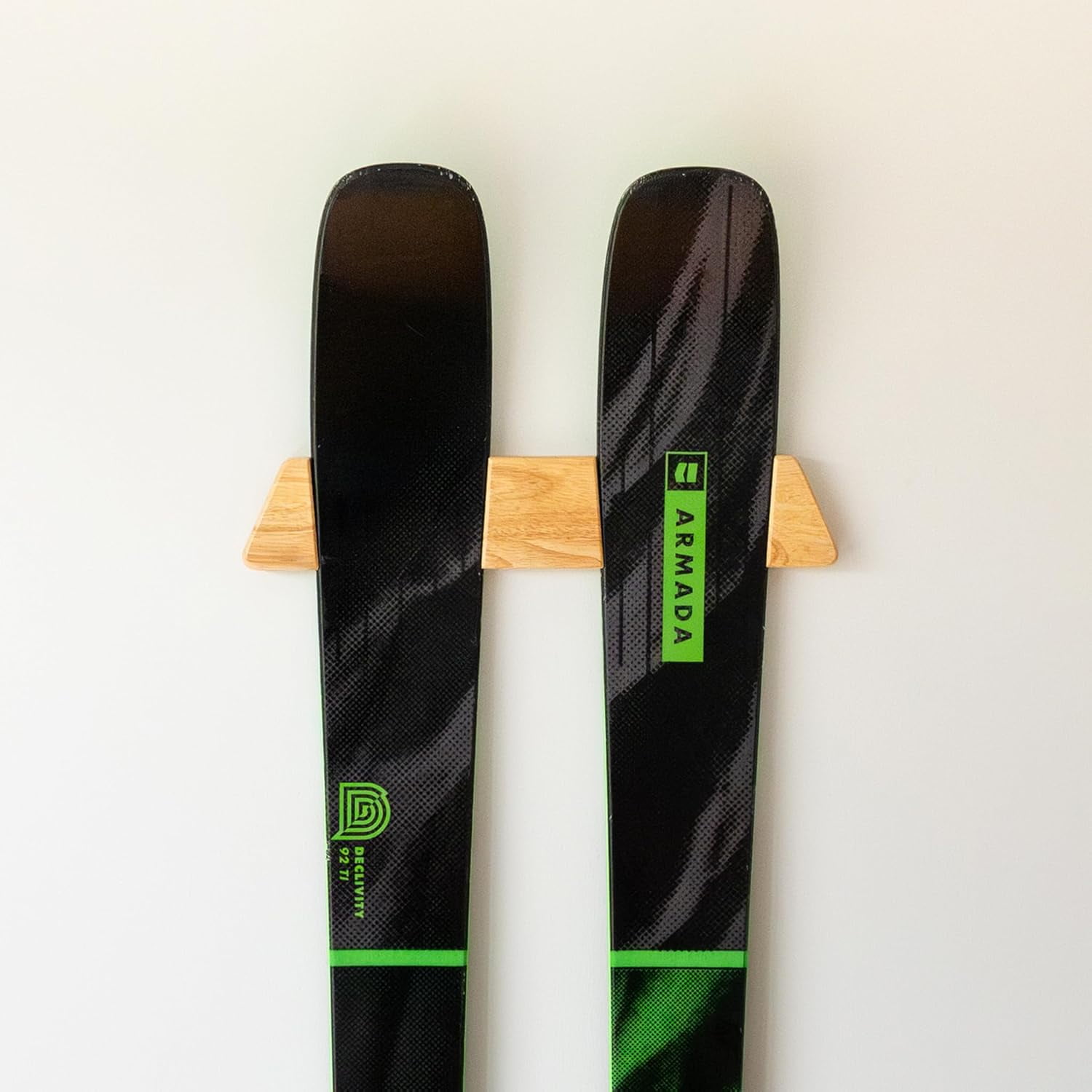
When winter sports season arrives, storing skis becomes an immediate space problem in most homes. Skis left standing in corners or stuffed into closets take up precious floor and closet real estate, and they're often buried behind other seasonal items when you need them most. If your household includes active skiers and your square footage is limited, a wall-mounted vertical rack solves both the storage crisis and the access problem at once. Solid wood construction transforms what could be purely industrial equipment into a display-worthy piece that complements your home's interior.
Contents
Finding the Right Wall and Understanding Mounting Requirements

Choosing where to mount your ski rack is your first practical decision, and the answer depends on your home layout and daily routines. A garage wall near the entry door is the most obvious choice because it keeps your skis accessible on cold mornings when you're rushing out for a run, and it doesn't claim living space. However, many households benefit from bedroom storage—especially if family members suit up in their rooms—or hallway placement where the solid wood construction serves as functional art. Bedrooms and hallways make the skis visible reminders of upcoming trips, which can motivate more frequent outings than when gear stays hidden in a closet. Before committing to a wall, examine your home's wall construction to ensure it can support the mounting hardware securely. Drywall requires heavy-duty anchors that distribute weight across a wider surface area, while plaster needs different fastener types, and concrete or brick demands masonry anchors. The rack holds up to 50 pounds, more than enough for a single pair of skis—most pairs weigh between 12 and 18 pounds depending on the style and construction—but the wall itself must be rated to handle that load reliably. Measure ceiling height at your planned location; skis stored vertically require 24 to 30 inches of clearance to sit properly without bending against the ceiling. Position the rack so the top of your skis sits at least a foot or two below eye level to prevent accidentally bumping your head and to keep the display clearly visible. The minimalist wood design means the bracket becomes part of your room's aesthetic rather than an afterthought, so consider how the finish coordinates with existing furniture and wall colors. Solid wood ages beautifully over years of use and doesn't develop the scratched, worn appearance that painted metal racks do—this matters if the rack is mounted in a bedroom or formal hallway. The actual installation is straightforward once the wall location is confirmed; mounting takes only a few minutes with standard tools. Vertical positioning gives you flexibility in how you arrange the skis—tips up or tips down—depending on your preference and the specific wall space. If you have multiple family members who ski, you might install two racks side by side, giving each person their own storage slot. The wood construction also provides some protection to your ski edges during loading and unloading because the material absorbs minor impacts better than metal, reducing the risk of damage to base edges or binding components.
We may earn a commission from purchases made through this link. Price and availability are not tracked on this site.
Year-Round Ski Care Through Vertical Storage
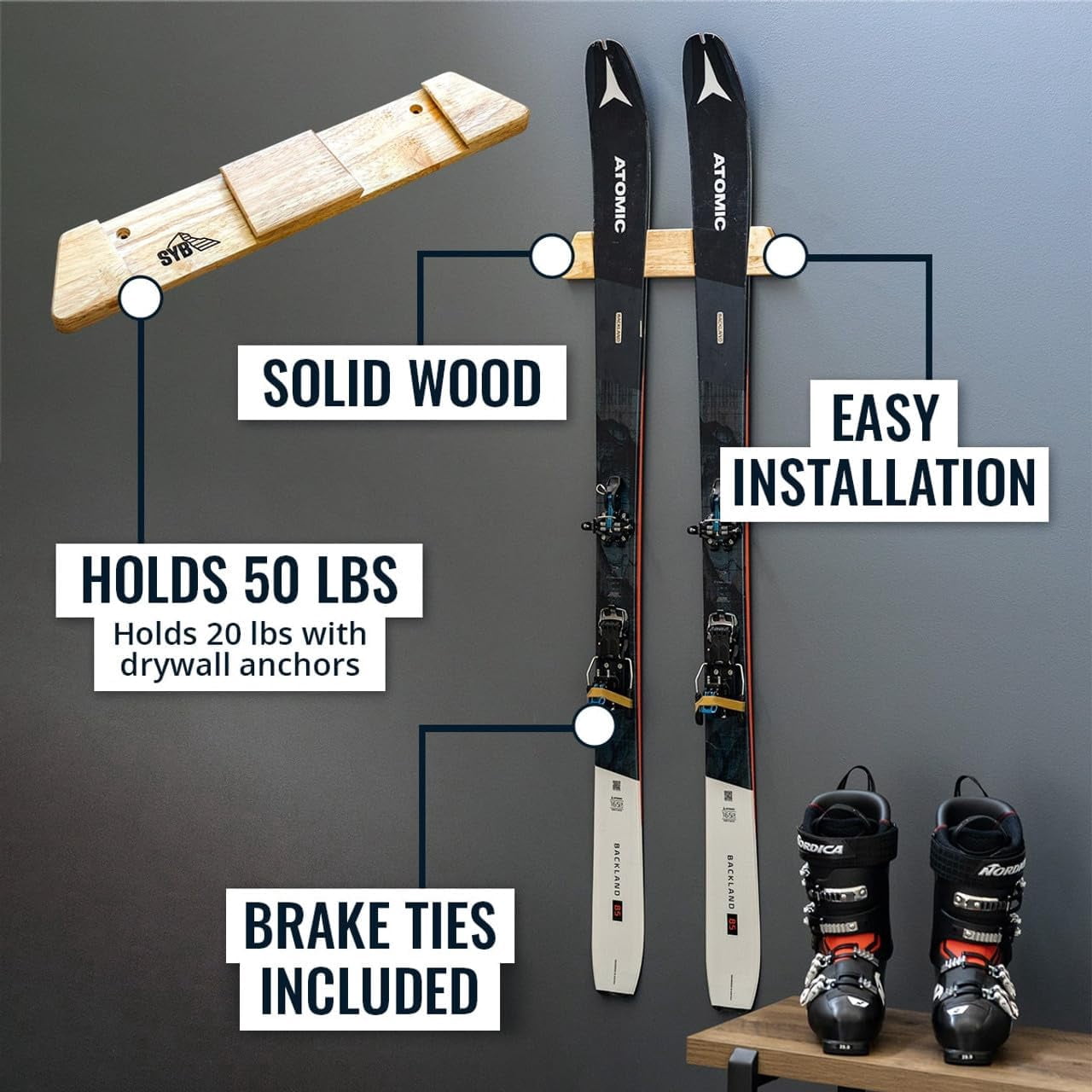
Storing skis on a wall rack makes them instantly available every time you're ready for a day on the slopes during the season. When you ski weekly or every other weekend during winter months, the convenience of quick access directly affects how often you actually head to the mountains—having your gear hanging right there reduces friction and encourages more frequent trips than when skis live buried in a closet or garage corner. The vertical orientation helps manage moisture naturally; water and humidity that would be trapped if skis were stored horizontally instead evaporate into the air, protecting the base and edges from rust and corrosion that can develop over months of storage. For households in areas with cold winters and regular snow sports participation, this means your skis maintain their edge condition and binding function better throughout the season. Off-season storage is equally important, particularly in warm climates where temperature swings and humidity can damage equipment over spring and summer months. Keeping skis on a wall rack in a climate-controlled indoor space—a garage, basement, or bedroom rather than an unheated attic or outdoor shed—preserves the ski edges and binding mechanics for the next season. The 50-pound capacity means households with multiple skiers can potentially rotate pairs through the same rack throughout the season or install additional racks to give each person dedicated storage. Many families discover that wall-mounted storage ends the annual chaos of searching through piles of seasonal gear every time ski trips are planned. Skis mounted vertically stay exactly where you left them, organized and ready, without needing to relocate or repack them around other equipment as you shift seasonal items in and out of storage areas. The solid wood finish doesn't collect dust or show grime the way metal racks do, so maintaining the appearance requires minimal effort beyond occasional wiping. During the off-season, the rack keeps your skis visible as a space-saving alternative to dedicated storage bags or cases that might occupy valuable closet real estate elsewhere in your home. For people who treat skiing as a serious hobby or lifestyle—whether living near mountains or making regular trips—having dedicated wall space signals the sport's importance in your household. This dedicated storage area becomes part of your winter rhythm, a constant reminder that outdoor time is built into your annual calendar.
Skis stored on a wall-mounted vertical rack see regular use throughout the winter season and provide permanent organized storage during the off-season months. For households that make trips multiple times per month, the accessibility alone justifies the wall space.