Butcher Block Maple Counters: Solid Wood Construction and Food-Safe Finishing
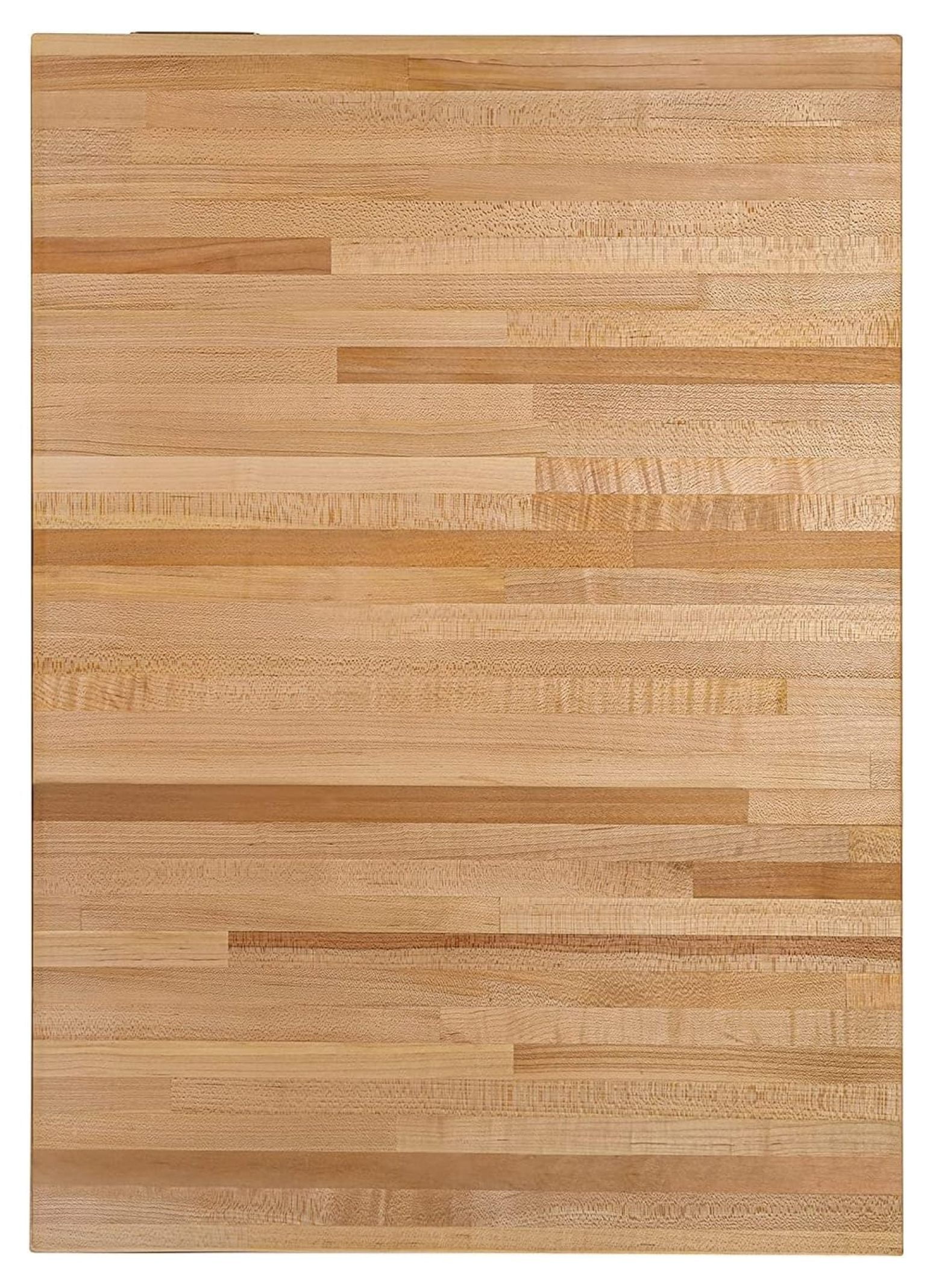
Solid wood countertops bring warmth and durability to kitchens and work areas that demand both character and performance. Hard maple grows throughout North America and is selected for food-contact surfaces because of its tight, closed grain and exceptional density. Unlike manufactured composites, maple countertops require deliberate finishing and periodic maintenance that keeps the wood responsive and visible as it develops patina over years of use. A food-safe oil coating prepares the wood for immediate kitchen work and cutting without additional refinishing, and the smooth pre-finished surfaces are ready to install and use from the moment they arrive.
Contents
Hard Maple Wood and Pre-Finished Surfaces
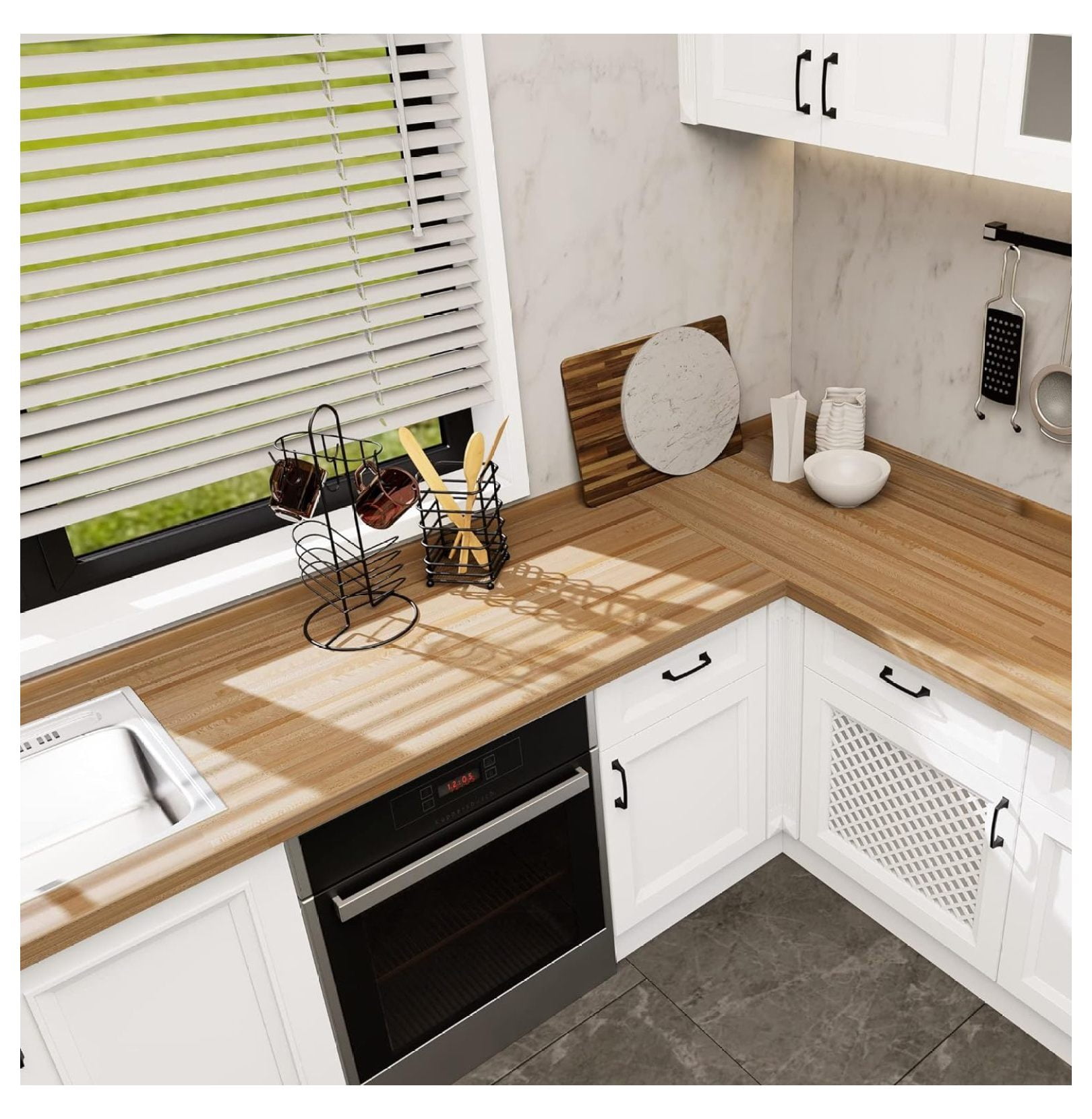 Hard maple is sourced from North American forests and milled to strict thickness specifications for kitchen and work surfaces. This particular countertop measures 18 inches deep by 25 inches wide, with a 1.5-inch thickness that provides substantial structural mass and maintains a solid, stable feel when installed atop standard cabinetry. The 1.5-inch profile spans unsupported cabinet runs without flex and sits atop base units with stable support, yet remains light enough to handle during installation without specialized lifting equipment. Every edge and surface arrives smooth and ready to use—no rough grain, splinters, or sharp corners require sanding or planing before the countertop is put to work. The wood surface has been prefinished with a natural food-grade oil that penetrates the grain and creates a matte, low-sheen appearance. This oil finish is safe for direct food contact, and the countertop can be used as a cutting surface for food preparation tasks without concern for leeching or contamination. The polished application distributes finish uniformly across all surfaces rather than applying a thin film coat on top that might peel or wear unevenly. Maple's density and closed grain structure make it more resistant to denting than softer woods, though marks and indentations do accumulate with years of use and heavy work. The natural color of hard maple ranges from pale cream to warm light tan, with subtle grain patterns and medullary rays that vary board to board, making each countertop visually distinct and difficult to perfectly match if additions are ordered later.
Mounting and Installation Without Pre-Drilled Holes
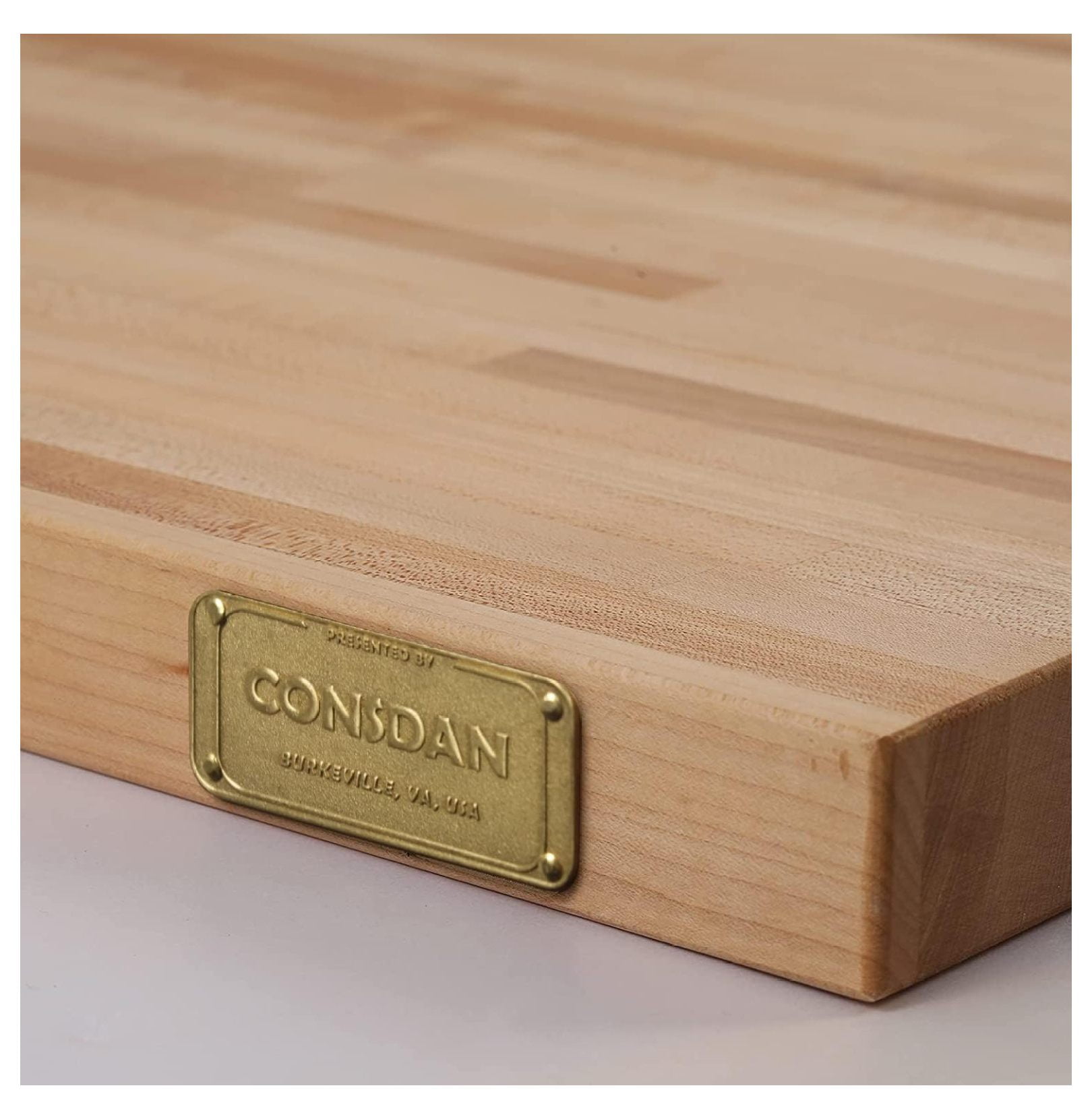 This countertop arrives undrilled, meaning you control where plumbing, electrical, or mounting hardware penetrate the surface or underneath. Installation begins with measuring your cabinet run or supporting base and ensuring the surface is level before setting the countertop in place. Unlike pre-fabricated counters with standardized attachment points, this slab demands that you identify precise locations for sink cutouts, faucet holes, or appliance openings based on your specific layout and fixtures. The thickness and solid wood construction mean a standard circular saw with a fine-toothed blade handles cuts cleanly, and a drill with a spade bit or hole saw works for fixture openings without catastrophic splintering if you clamp the workpiece firmly. Installation may involve temporary bracing from below if the countertop spans a particularly long gap without intermediate cabinet support, or shimming with shim stock to bring an uneven base into level before securing the top. Fastening occurs from underneath using clear-head screws through mounting rails or brackets rather than through the top surface, which preserves the finished face and food-safe oil coating. Most mounting hardware consists of standard deck screws or cabinet-grade brackets suitable for supporting solid wood countertops, typically accessible at any hardware supplier. The undrilled design means no pre-molded sink rim, no backsplash lip, and no integrated features, so every installation is customized to the home or workspace where it will live. If you're fitting this to a washer or dryer installation, measure the appliance dimensions carefully because the fixed 18-inch depth and various length options mean you may need a custom cut rather than using a standard template.
We may earn a commission from purchases made through this link. Price and availability are not tracked on this site.
Living With Maple: Maintenance and How the Surface Responds to Use
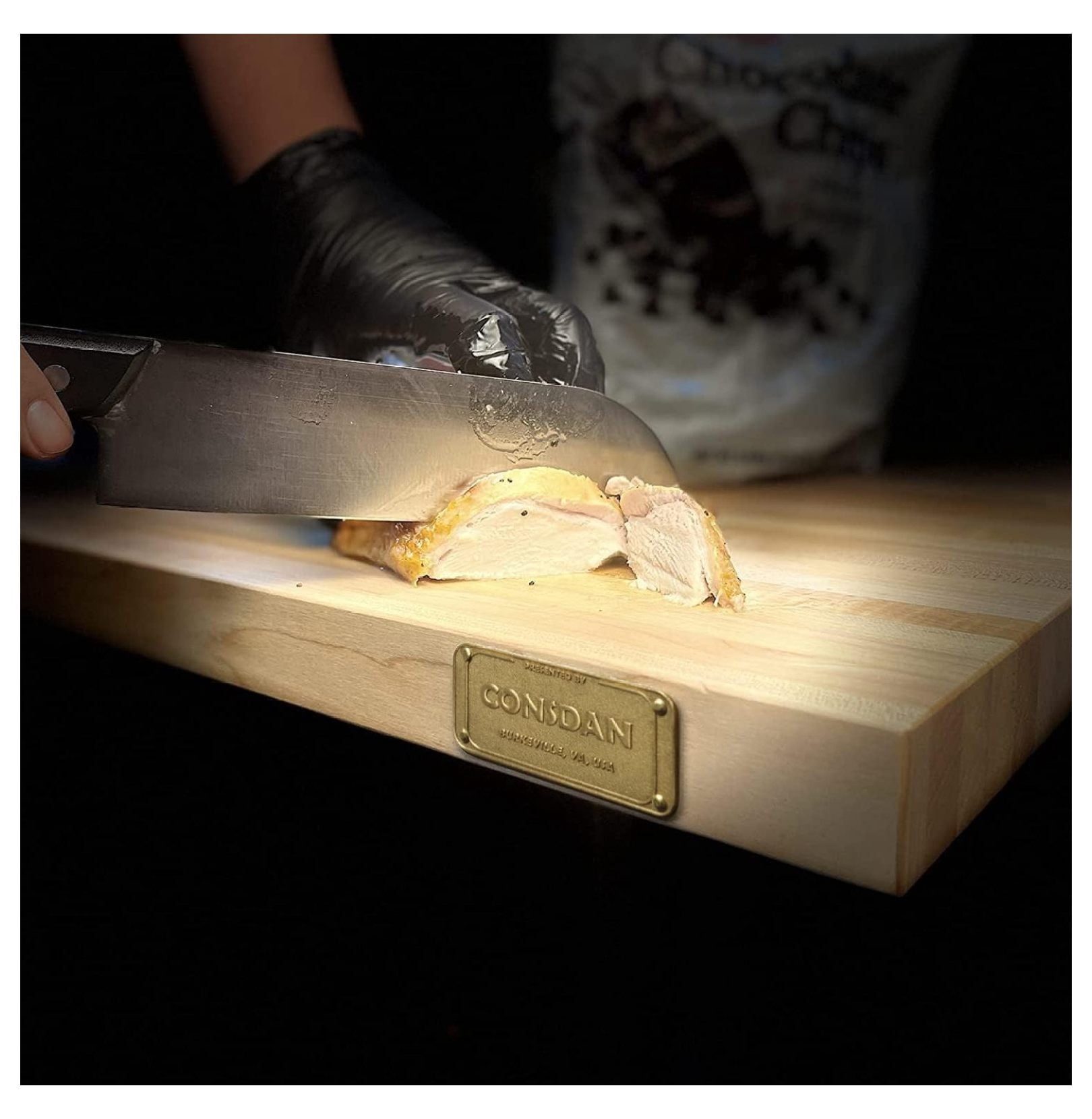 Food-grade oil finishes require periodic attention rather than one-time sealing, because the oil layer gradually depletes with washing, drying, and food contact over months of use. Water rings appear quickly on oiled wood if a damp glass or pot sits for several hours, and they fade within a day or two as the surface dries out—a cosmetic mark, not permanent damage to the wood. Spills should be wiped up within minutes to prevent moisture from raising the grain or penetrating deep into the wood, where it can cause swelling that compromises fit if the countertop is tightly installed. Cleaning uses warm soapy water and a soft cloth or sponge; abrasive pads and harsh chemical cleaners damage the oil layer faster and leave scratches or dull spots in the finish. Once or twice per year, or whenever the surface starts to look dry or thirsty, applying a thin coat of food-safe mineral oil or butcher block conditioner restores water resistance and refreshes the matte appearance. Unlike a polyurethane or epoxy seal, the oil finish invites maintenance as part of ownership, making the wood feel alive and responsive to its environment rather than entombed under plastic. Over years of use, maple develops a patina—darker stains where spills have left their mark, and subtle wear patterns in high-traffic areas that give the countertop a lived-in character. Dents and minor gouges are inherent to working maple; they do not require repair unless a gouge is deep enough to trap food or harbor bacteria. The unfinished bottom and sides mean you may want to occasionally sand and oil those surfaces too, extending the life of end grain and keeping the underside protected from moisture.
Butcher block countertops fit kitchens and work areas where durability and tactile warmth matter—whether you're upgrading a family kitchen, renovating a laundry area, or building a food-prep workspace. The undrilled slab design means you maintain full control over the final configuration, making custom installations possible in homes with non-standard layouts or appliance placements. Solid maple works for households and businesses willing to embrace maintenance as part of living with wood rather than treating countertops as maintenance-free surfaces.