OADUKQ Silicone Sink Guard: Materials, Mounting, and Daily Care
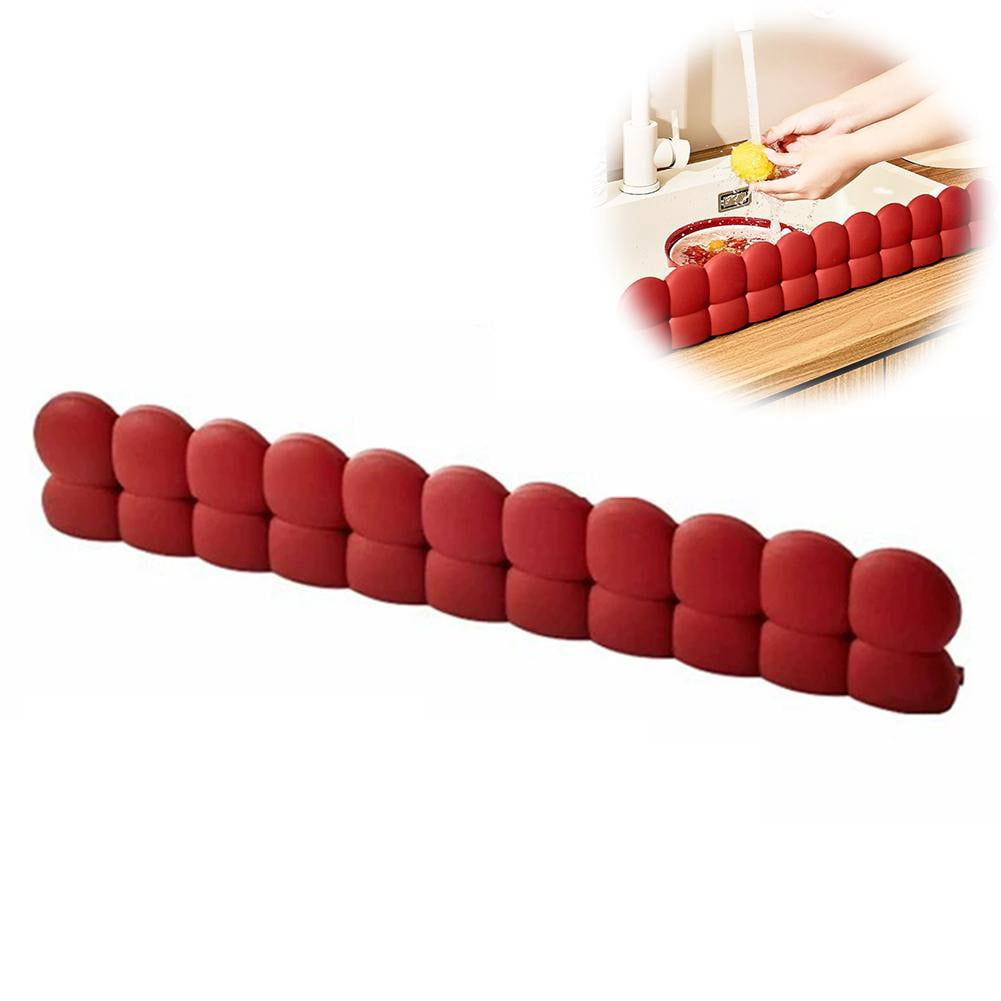
Silicone is a common choice for flexible kitchen tools because it bends under hand pressure and returns to its shape once released. When dishes pile up beside a sink, a thin barrier along the front ledge can be the difference between a dry cabinet door and a wet one. This article looks at how a flexible silicone water barrier is made, how it attaches to a sink ledge, and what routine care keeps it working as intended.
Contents
What the Silicone Guard Is Made Of
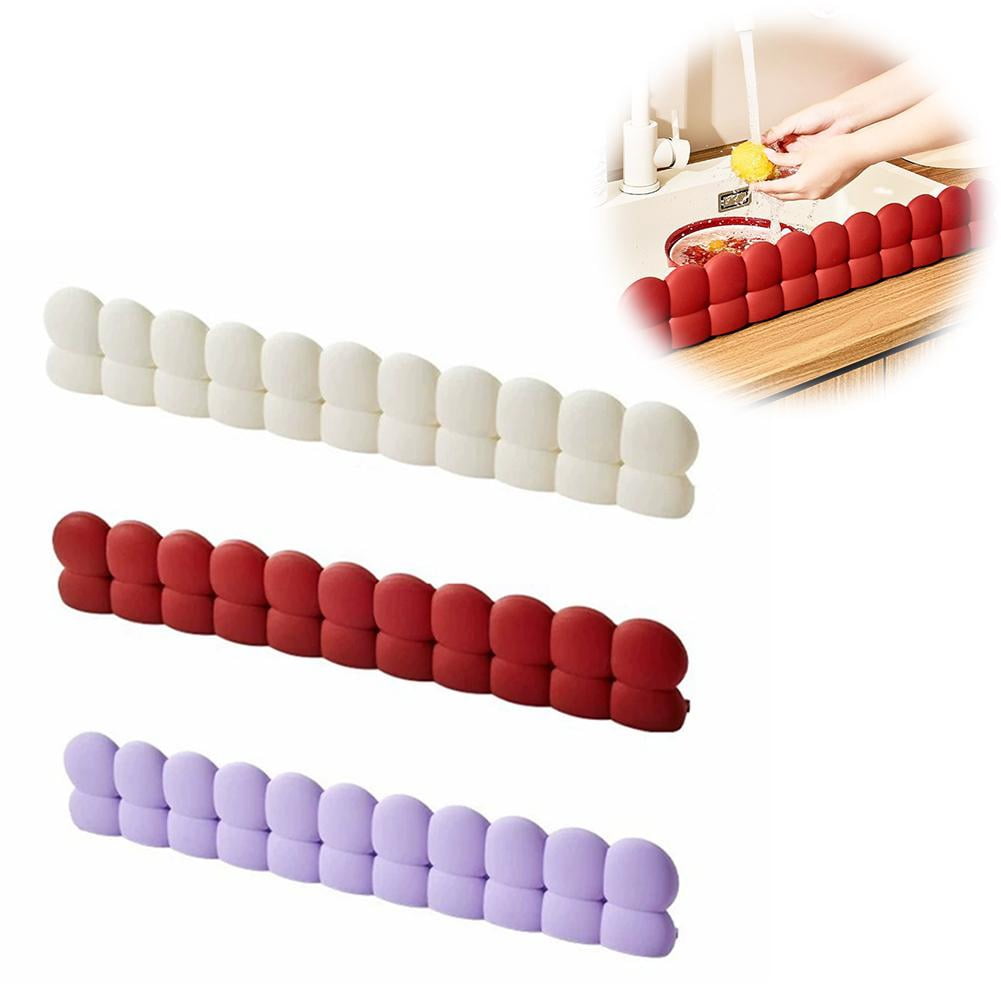 The OADUKQ sink guard is molded from flexible silicone, a material that bends easily under hand pressure and returns to its original shape once released. The listing describes it as a soft, rubber-like band that resists deformation when pulled, and that property matters when the guard has to stretch over a sink edge without losing its profile. Its listed dimensions are 20.08 by 1.65 by 3.54 inches, which gives it a long, low form that lies flat along the front lip of a basin. The same listing also gives a second set of figures, 20.47 by 3.54 by 1.97 inches, and those numbers do not match the title, so measure your own sink ledge before ordering. The product weighs 0.43 pound, a light weight that keeps the guard easy to lift and reposition by hand. The package contains one piece, so a double basin or a sink with two separate front ledges would need more than one unit or a different guard altogether. Four suction cups are built into the underside, and they are the only parts meant to grip the sink surface and keep the barrier in place. The color is red, and the listing describes the surface as smooth, which affects how easily the guard wipes clean and how much residue it collects. Silicone has no rigid frame, so the guard can conform to a gently curved ledge rather than sitting on a straight, hard edge. The listing states that no written warranty is included, so buyers who want coverage terms should check the seller's return policy before purchase.
Setting the Guard on a Sink Ledge
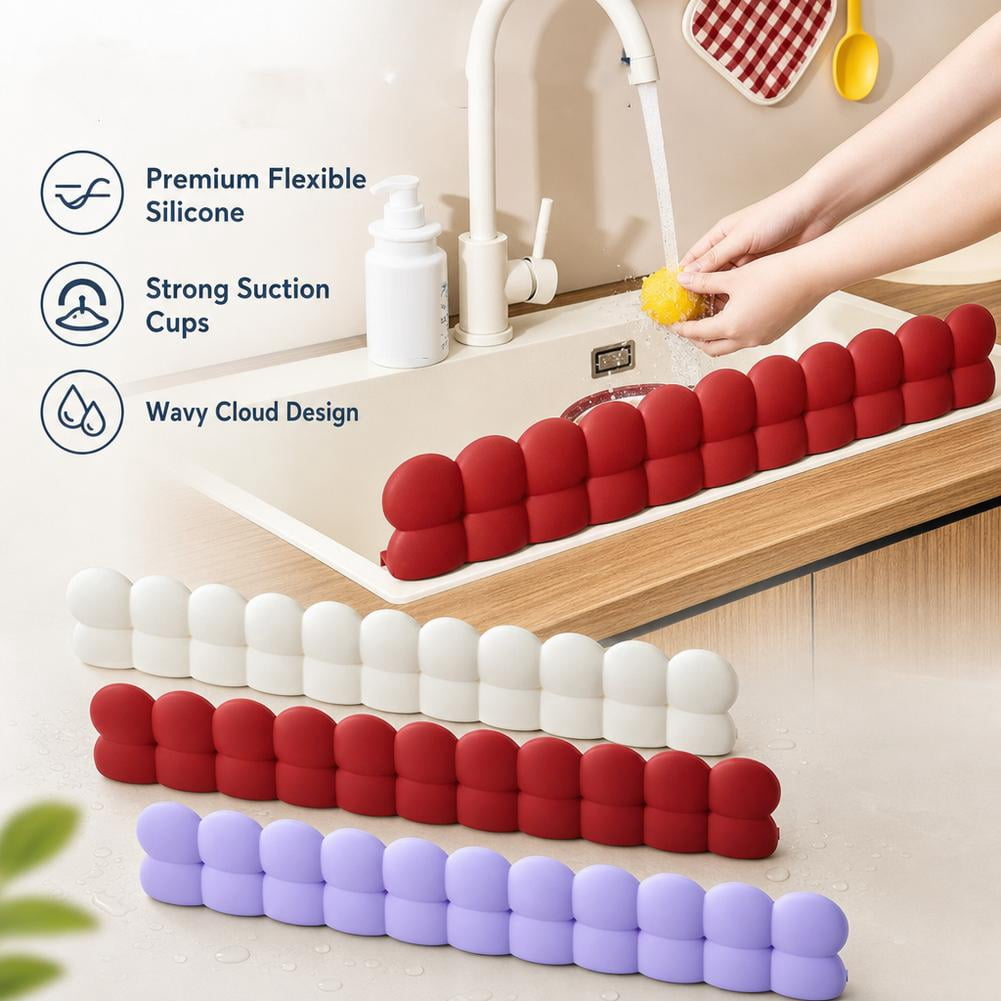 The listing describes a suction-cup mount rather than screws or adhesive, so the job involves no drilling and no hardware to align. Start by drying the ledge completely, because suction cups grip best on a clean, dry surface free of soap film. The listing says the cups attach to smooth sink ledges in under three seconds, which describes how quickly the guard can be set in place, not a guarantee of how long it will hold. Position the guard so all four cups sit on the flat portion of the ledge rather than over a rolled edge, a seam, or a raised lip. Press each cup firmly with a thumb, working from one end toward the other so the contact area stays even along the length. Check that the guard lies straight before loading dishes, since a shifted barrier leaves gaps where water can run past it. Because the guard is one piece, the placement must match the length of the ledge you measured, not just the length printed on the packaging. Heavy pots striking the guard are the most likely cause of shifting, which is why the four bottom cups are the feature to inspect first. If the ledge is textured, painted, or has an accessory such as a dish rack clipped to it, the cups may not seat fully, so test the fit before relying on it. Re-seat the guard after each cleaning session if it has moved. Installation involves no electrical or plumbing work, so it is a simple, hands-on task for any homeowner or renter.
We may earn a commission from purchases made through this link. Price and availability are not tracked on this site.
Cleaning, Upkeep, and Parts That Wear
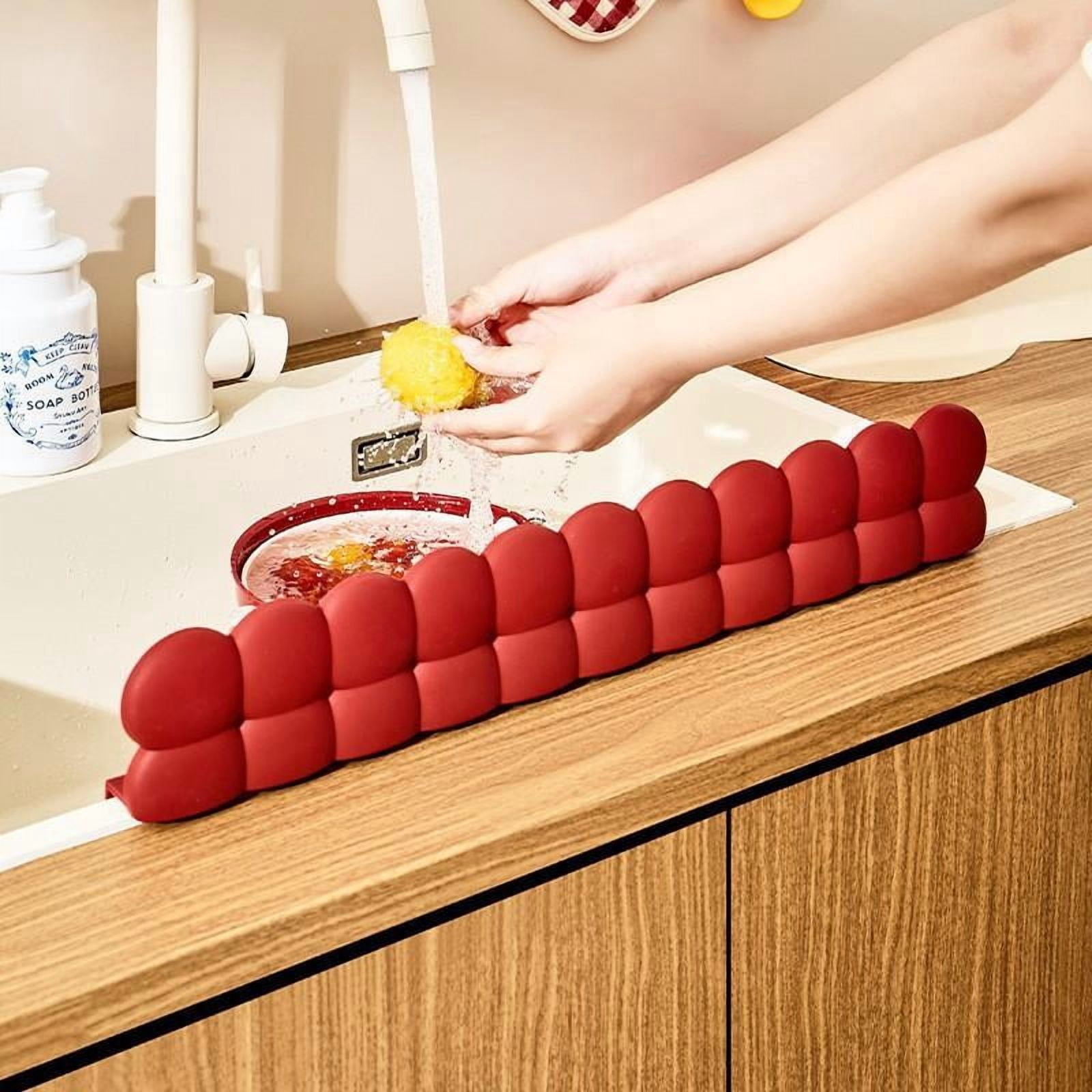 The listing gives a simple cleaning method: rinse the smooth silicone under running water or wipe it down with a cloth. Because the surface is described as smooth, rinsing is the main upkeep step, and it takes only a moment after dishwashing. The listing says the guard helps prevent standing water buildup, but that describes how the barrier directs runoff away from the front of the counter, and a wet ledge still needs ordinary drying. Clean the suction cups along with the body, since grit trapped under a cup is a common reason it loses grip. Wipe the cups dry before reattaching them to the ledge, and avoid heavy oily cleaners that can leave a film on the contact surface. Inspect the guard periodically for stiffness, clouding, tears, or a permanent set, and replace it if it no longer lies flat along the ledge. The parts most likely to wear are the four suction cups, since they flex every time the guard is removed and set back down. Silicone that is repeatedly stretched may lose its shape over time, so store the guard flat rather than folded or hung by one end. Because the listing states no written warranty, plan for replacement on your own schedule if wear appears, and keep the original packaging with its dimensions for reference. Routine checks take only a minute, and they keep the guard doing the single job it was made for.
This sink guard suits a home cook who washes dishes by hand, an apartment renter with a limited counter, or a household that runs dishes late in the evening. Measure your sink ledge, confirm the smooth, flat area is long enough for the listed length, and decide whether a single red silicone barrier fits your daily setup.