Creating a Finished Bar Surface in Your Home
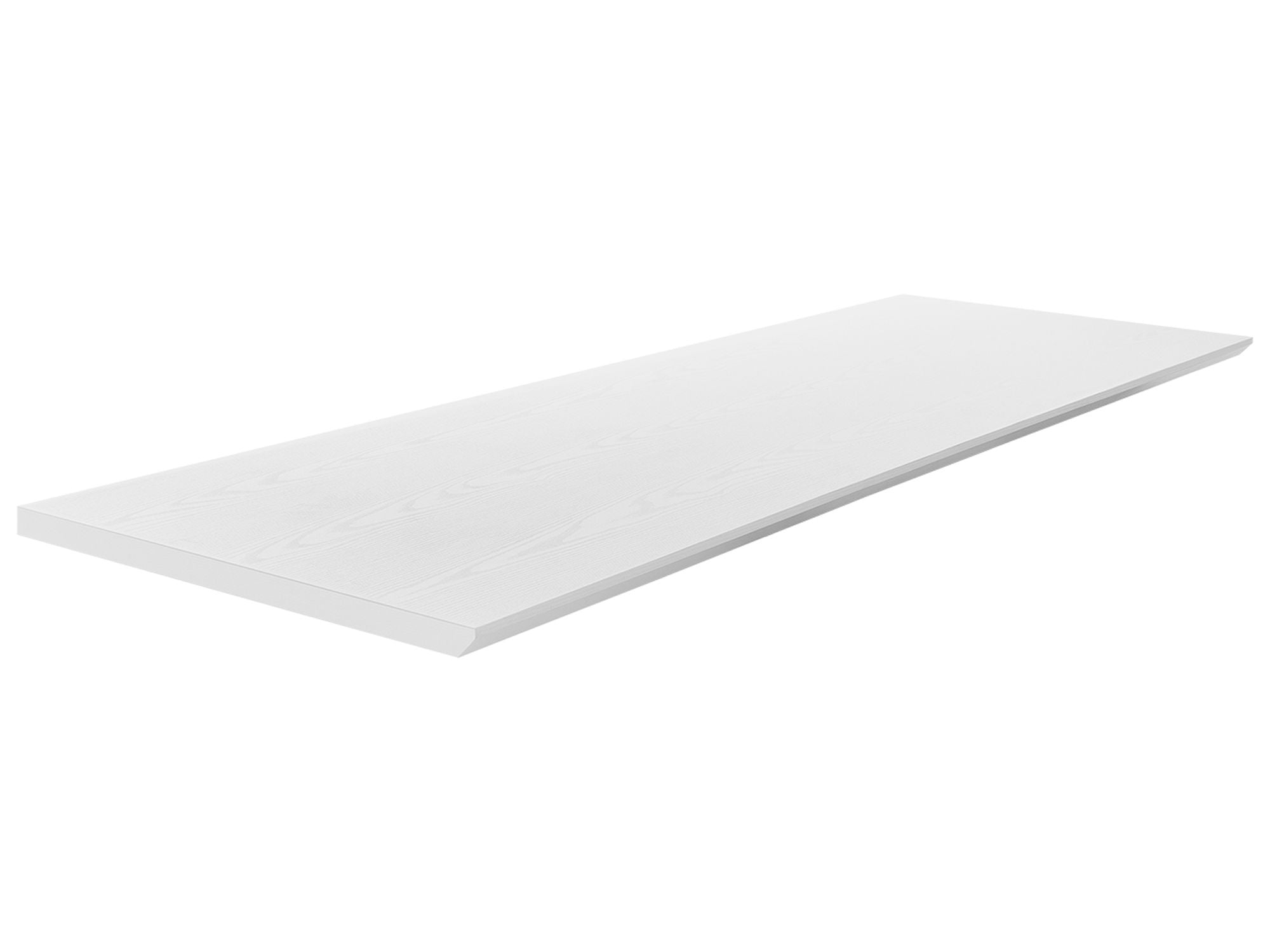
Home bar entertaining calls for a surface that looks finished while fitting into compact spaces. A countertop built for bar cabinets bridges the gap between full kitchen counters and simple shelving, giving you a functional surface for bottles, glassware, and entertaining gear. The right bar countertop turns a cabinet base into a complete bar setup with minimal installation fuss.
Contents
Compact Bar Spaces and Matching Cabinet Setups
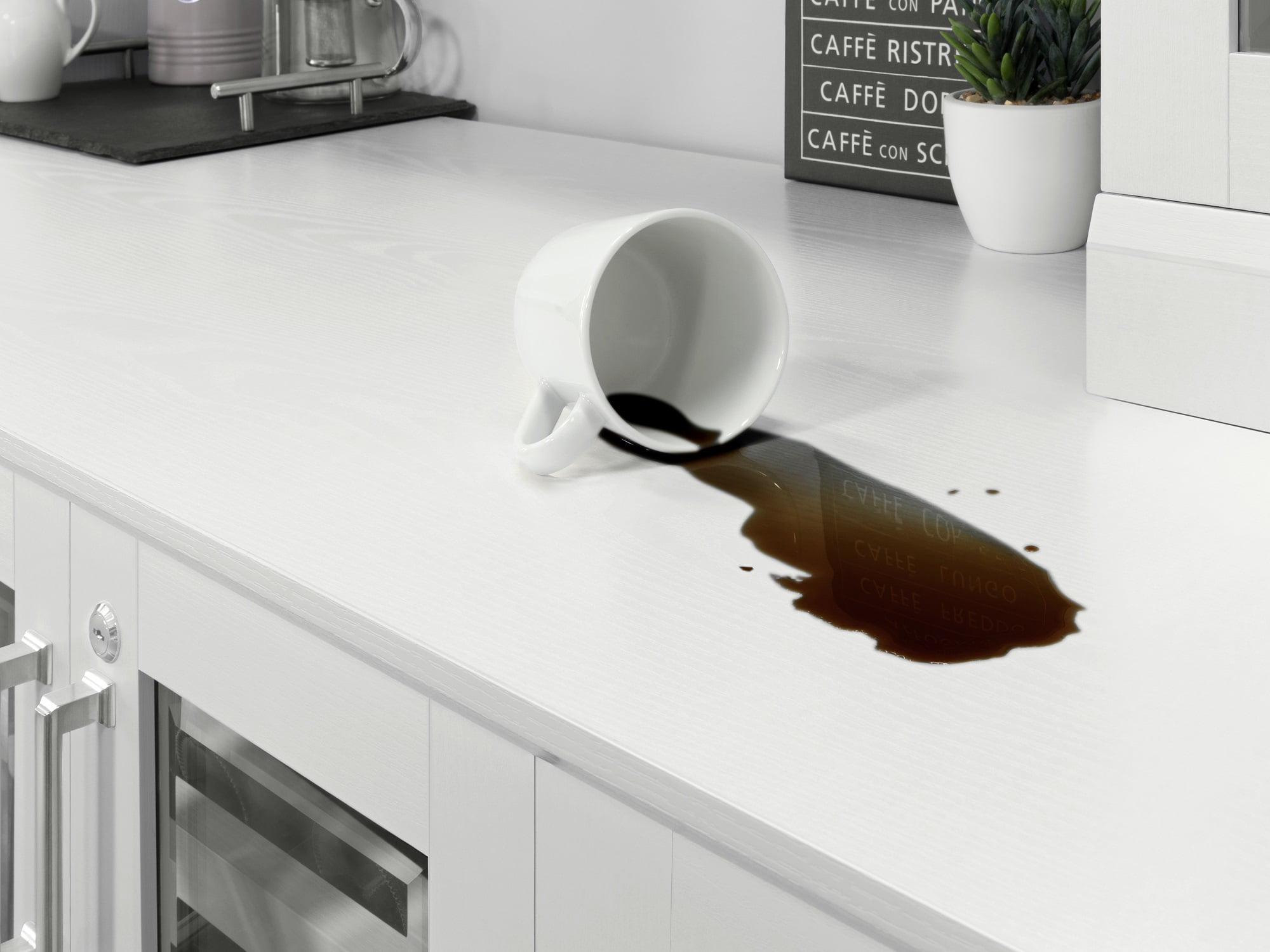
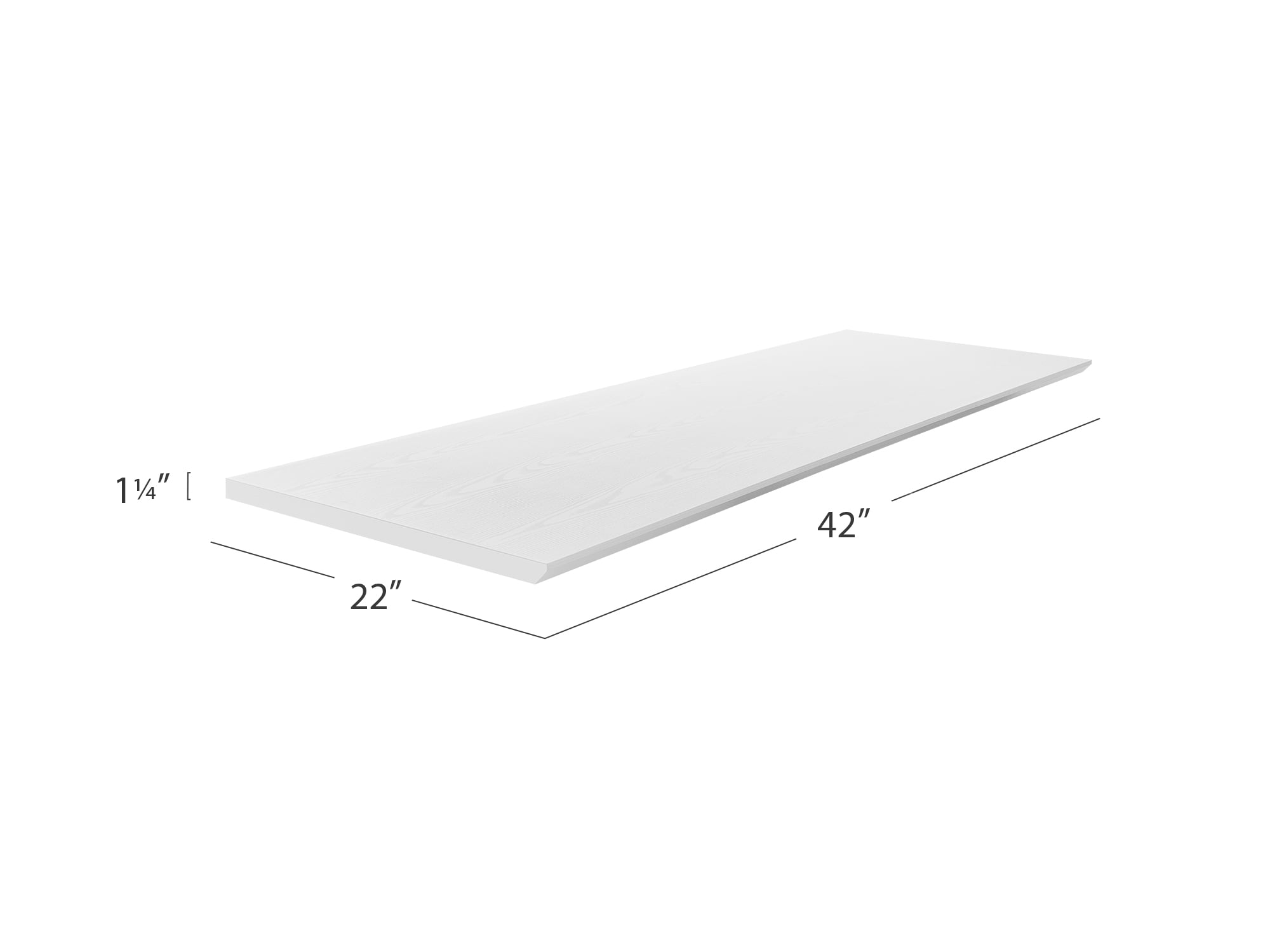 A 42-inch countertop designed for home bar entertaining fills the gap between full kitchen counters and bare cabinetry. The 22-inch depth provides workspace for bottles, glassware, bottle openers, and small dishware without consuming the footprint of a kitchen counter, making it practical for basements, rec rooms, and kitchen corners. Designed to fit perfectly over two 21-inch base cabinets, the proportions create a finished, intentional appearance rather than looking like an incomplete setup. The white laminate finish with subtle wood-grain texture coordinates with shaker-style cabinet doors, a design pairing that suits contemporary and transitional home interiors. A solid plywood core provides structural stability for bottle collections and glassware displays while keeping the overall surface light at just 19.8 pounds. Installation is straightforward enough that a single person can position and secure it without professional help, important for those who might want to relocate their bar layout seasonally or adapt their space over time. The melamine surface resists scratches and staining, a practical feature when you're setting down bottle bases and rims of glassware regularly throughout entertaining hours, and the finish allows you to wipe away spills with just a damp cloth. Beveled edges provide both safety and visual polish, eliminating sharp corners while adding architectural detail that elevates the bar beyond basic cabinetry. This setup works particularly well for anyone who entertains regularly but keeps food prep and cooking separate from the bar area, preferring a display and service surface over a general-purpose work counter.
When a Different Countertop Material Might Serve Better
 This countertop excels in bar and entertaining contexts but doesn't suit situations requiring a general-purpose kitchen work surface. A 42-inch width is designed specifically as a cabinet topper for a 21-inch cabinet pair—it cannot extend across an open galley or wrap around an island, limiting its use in full kitchen renovations. Laminate surfaces, while durable and low-maintenance, lack the heat and impact resistance of solid wood or stone countertops, which means a hot pan directly from the stove can cause damage and heavy chopping or prep work can eventually dull the surface finish. The 22-inch depth, ideal for a bar setup, is shallower than kitchen counters, which typically run 24 to 25 inches—a shortfall that becomes apparent if you ever transition this surface from a bar to kitchen prep work. At 1.25 inches thick, the countertop is thinner than some kitchen counters, reflecting its role as a display surface rather than a heavy-use worktop for daily meal prep. The white finish, while elegant, shows dust and staining more visibly than darker colors, requiring more frequent wiping if you're particular about appearance in entertaining spaces. The solid plywood core is practical for bar use but differs from the engineered wood or solid materials in premium countertops, meaning longevity depends on keeping moisture away from the edges and undersides. If your vision is a multi-functional kitchen surface that handles both entertaining and serious cooking, laminate bar countertops sit at the wrong point on the durability-to-function spectrum. For those situations, solid wood, quartz, or granite countertops offer better heat and impact protection, though they also require different installation, sealing, and maintenance routines.
We may earn a commission from purchases made through this link. Price and availability are not tracked on this site.
Where a Bar Countertop Earns Its Role
A compact countertop shines in entertainment-focused layouts where the goal is displaying bottles, glassware, and bar accessories rather than preparing food. Home bars in finished basements or rec rooms benefit from a surface that feels complete without taking up wall space, and the proportional pairing with matching 21-inch cabinets creates a cohesive look that furniture alone cannot achieve. The lightweight construction at 19.8 pounds means you can install it yourself without waiting for a professional, and the solid plywood core provides stability for heavy bottle collections or for setting down glassware throughout a party. Entertaining in compact apartments or small homes often means bar carts or corner setups must do double duty, and a dedicated 42-inch countertop lets you consolidate bottles, mixers, and barware in one finished surface rather than spreading them across multiple furniture pieces. The stain-resistant melamine finish works well in spaces where drinks are being poured, glassware is being set down, and spills happen—cleanup is as simple as a damp cloth rather than requiring the sealing or special care that stone demands. Corner bar setups in kitchens or dining areas become focal points when topped with a coordinated countertop, turning casual storage into intentional home design. The beveled edges and subtle wood-grain finish feel more polished than the raw top of a cabinet alone, lifting the entire bar setup visually and making it look like a piece you planned rather than improvised. Seasonal entertaining or rotating your layout also benefits from the ease of installation—you can remove and reinstall this countertop if you reconfigure your space. For anyone setting up their first home bar or refining an existing one, this countertop provides the missing design element that transforms a cabinet base into a complete entertaining station.
This countertop fits home entertainers who prioritize a finished bar setup over a multi-functional kitchen surface and don't require heat or impact resistance. It's mismatched for full kitchen renovations, extensive food prep, or anyone planning to use a countertop for both cooking and bar display. For bar-specific entertaining, compact spaces, and coordinated cabinet setups, it fills a practical gap that most kitchen countertops miss.