Red Pegboard Bins for Small Parts in the Garage and Workshop
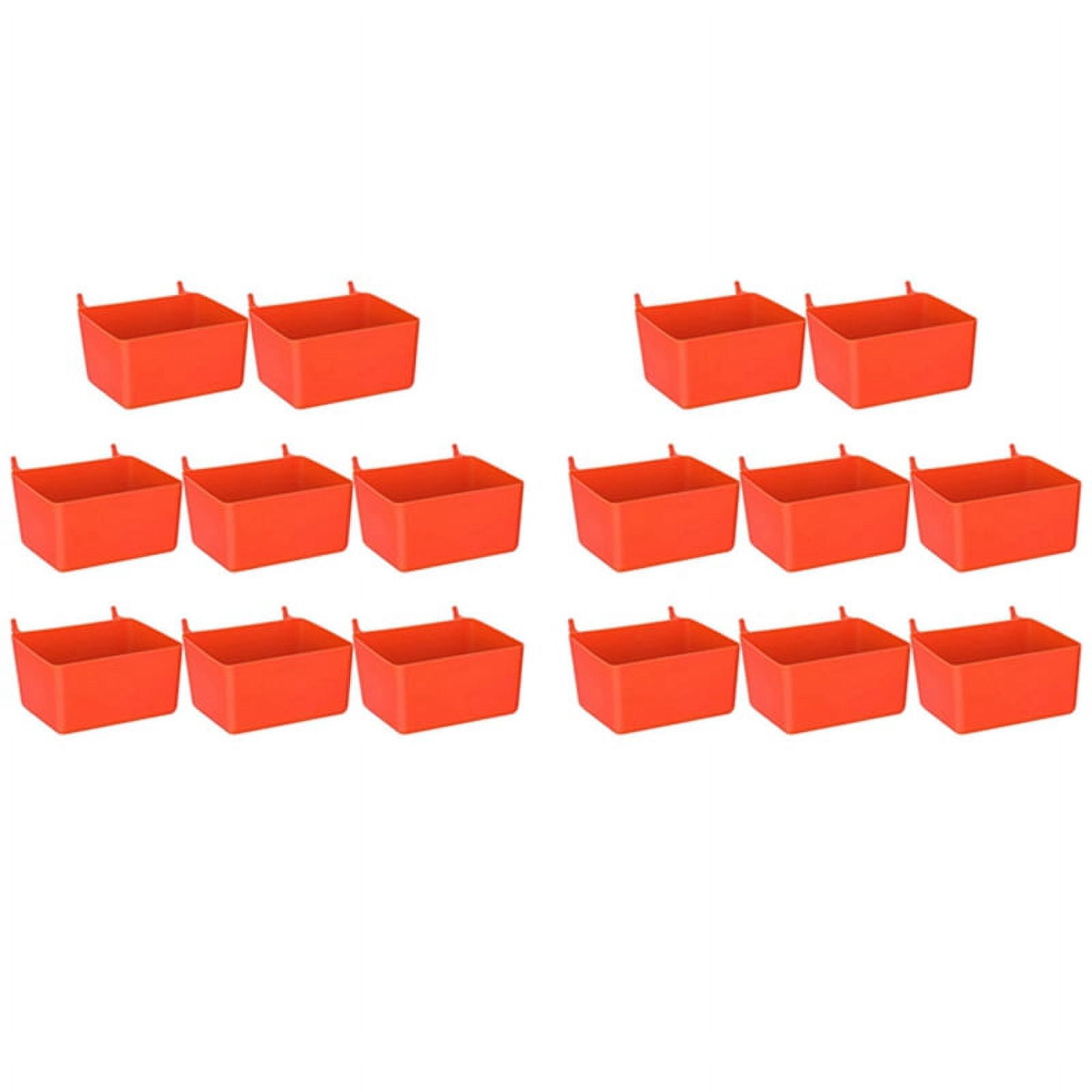
Anyone who has dug through a coffee can for a matching washer knows how much time small parts can waste. A pegboard wall can end that routine, but only when the little pieces have a defined place to live. This set of red plastic bins is designed to hang from standard pegboard holes, keeping screws, clips and nails within arm's reach. The sections below cover where the bins fit indoors and how they work during a garage or workshop project.
Contents
Setting Up the Bins on an Indoor Pegboard Wall
 Indoors, the most natural home for these bins is a pegboard panel mounted on a wall near a workbench, a utility room counter, or a hobby table. Pegboard is usually a thin sheet of hardboard or metal with a grid of round holes, and these bins are designed to hook into those holes rather than sit on a shelf. Before deciding, measure the holes on your panel, because the listing states the hooks fit holes of 1/4 inch, 3/16 inch and 1/8 inch diameter. The same listing says the fit works on pegboard that is 1/4 inch thick or less, so measure the thickness as well, since a thicker panel may not seat the hooks properly. A ruler is enough for a rough check, though a caliper gives a more reliable reading when the holes look close to the limit. The listing notes that the bins work with both metal and non-metal pegboard, which covers the two most common panel types in home workshops. Each bin measures about 9 x 7 x 4.5 centimeters, which is roughly 3.5 by 2.75 by 1.75 inches, and the listing allows a variation of 1 to 3 centimeters. That footprint suits small parts such as drill bits, clips and hardware, but it will not hold full-size tools, so plan wider spaces for those. The bins are molded from plastic in a solid red, a color the listing describes as simple enough to pair with most décor. Against a gray, white or unpainted wood wall, the red will stand out clearly, which makes it easy to tell at a glance which bin holds which part. In daily use, you lift a bin off its hook, scoop out what you need, and hang it back in the same spot. Because each bin is shallow, reaching for a part takes a quick look rather than a search through a crowded drawer. Place the bins you use most at the height where your hand naturally falls when you stand at the bench, and leave gaps between them so one can be lifted without bumping its neighbors. The product data does not list a weight rating for the bins, so keep heavier items such as hammers and saws on their own hooks or in a different location. Press each bin firmly onto its hooks before letting go, because a loose bin can shift when the panel is bumped. Rearranging the layout later is simple, since moving a bin takes no tools and you can rehang it in a new spot in seconds.
We may earn a commission from purchases made through this link. Price and availability are not tracked on this site.
Putting Hardware Storage to Work in a Garage or Shed
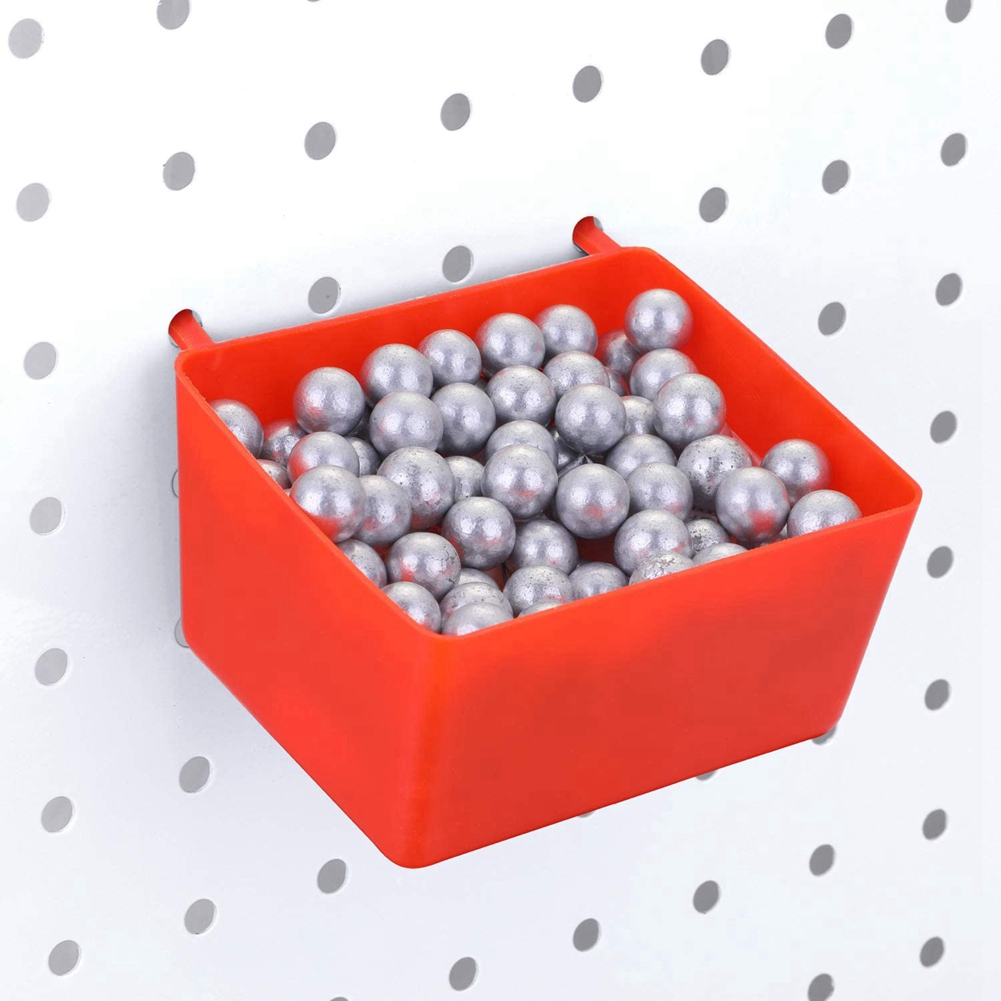 Garage and workshop projects tend to generate the same frustration: a dozen loose screws, a few washers that do not match, and a bag of nails spilled across the bench. The listing describes the bins for organizing screws, washers, nuts, bolts, nails and clips, which covers most of the hardware that accumulates during a build. Consider a typical job such as assembling a wall-mounted shelf or building a storage cabinet, where fasteners arrive in several sizes before the work even starts. Before the project begins, sort the hardware by type and length, then assign one bin per family so each bin has a clear purpose. A bin for 1-inch wood screws and another for 2-inch screws keeps the lengths from mixing, which saves time when you need a specific size. Sorting by size before the project starts also makes it obvious when a part is missing, which prevents a stalled build halfway through. The listing contains a small inconsistency, since the package line says 16 bins while the description mentions 8 pieces. Count what arrives before planning the layout so you know how many part families you can separate. Store the bins away from direct sun and standing water, since prolonged exposure to heat or moisture can affect plastic over time. In a shed or on a covered patio, the same wall can hold seasonal hardware such as plant-tie clips, gate hinge screws and spare nails. Seasonal storage matters because the same tools return each spring, and having fasteners already sorted turns a weekend chore into a quick task. Mounting a large pegboard panel to a garage wall involves locating the framing and securing the panel properly, a job many homeowners leave to a licensed professional or an experienced contractor. Plan the panel's position before drilling, and measure the wall studs and the clear space the bins need so they hang without hitting the bench. Set the bins at a height where you can see the contents without leaning over the bench, which keeps the layout easy to scan during a project. The product data lists no written warranty, so inspect each bin on arrival and check for cracks before filling it with hardware.
In a busy garage or workshop, these bins will likely see frequent use during active projects and then sit quietly between builds. Their practical value shows up most during seasonal jobs, when a sorted bin of hardware turns a half-hour search into a quick reach.