Half-Face Respirator Selection for Home Workshop Protection
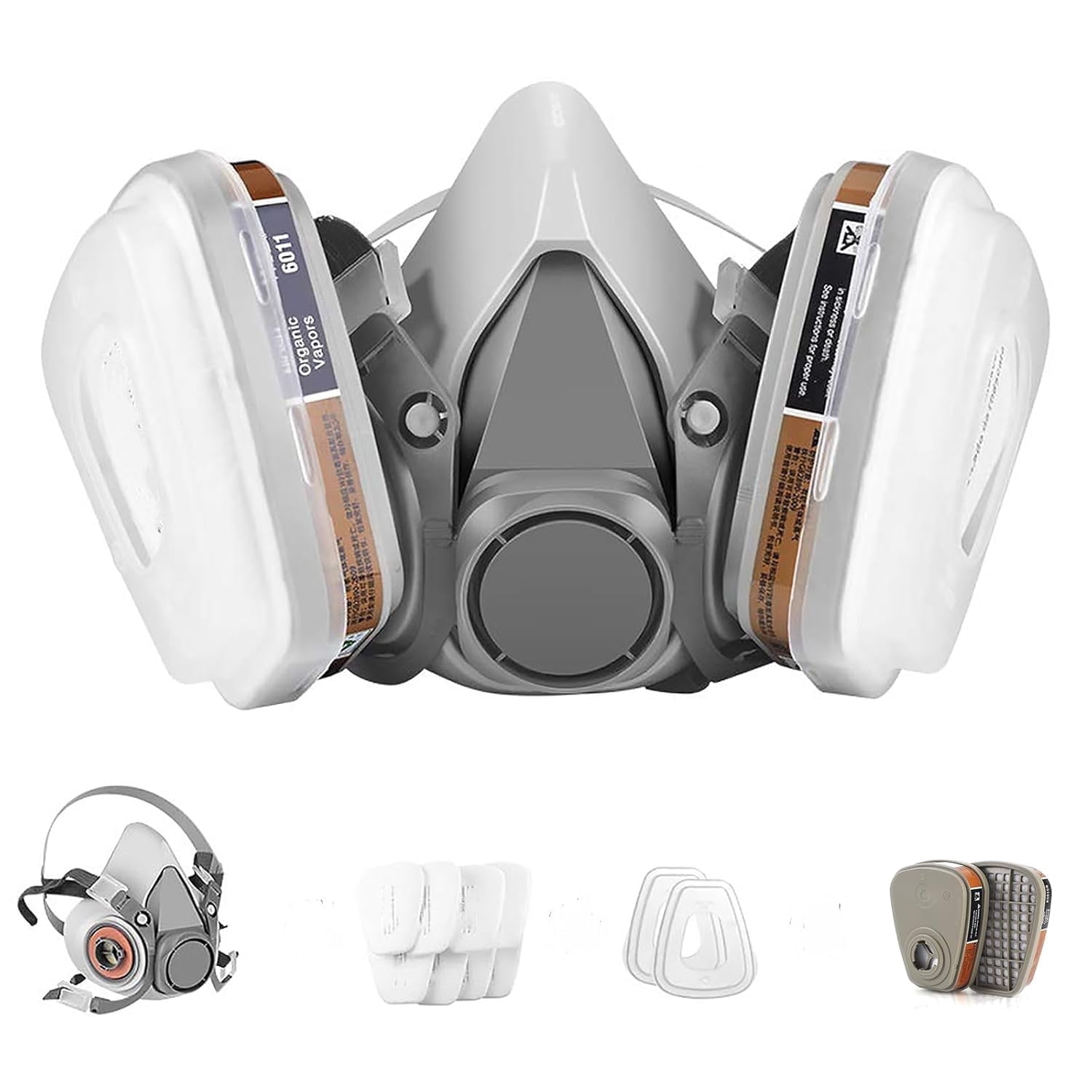
Workshops involve airborne hazards that simple dust masks cannot address. From organic chemical vapors in epoxy resin work to dust clouds during sanding and grinding, dedicated respiratory protection is essential for serious DIY tasks. Half-face respirators offer a practical middle ground between disposable masks and full-face units, providing reusable protection with replaceable filters that keep costs manageable over extended projects.
Contents
Half-Face Respirators in the Workshop Safety Stack
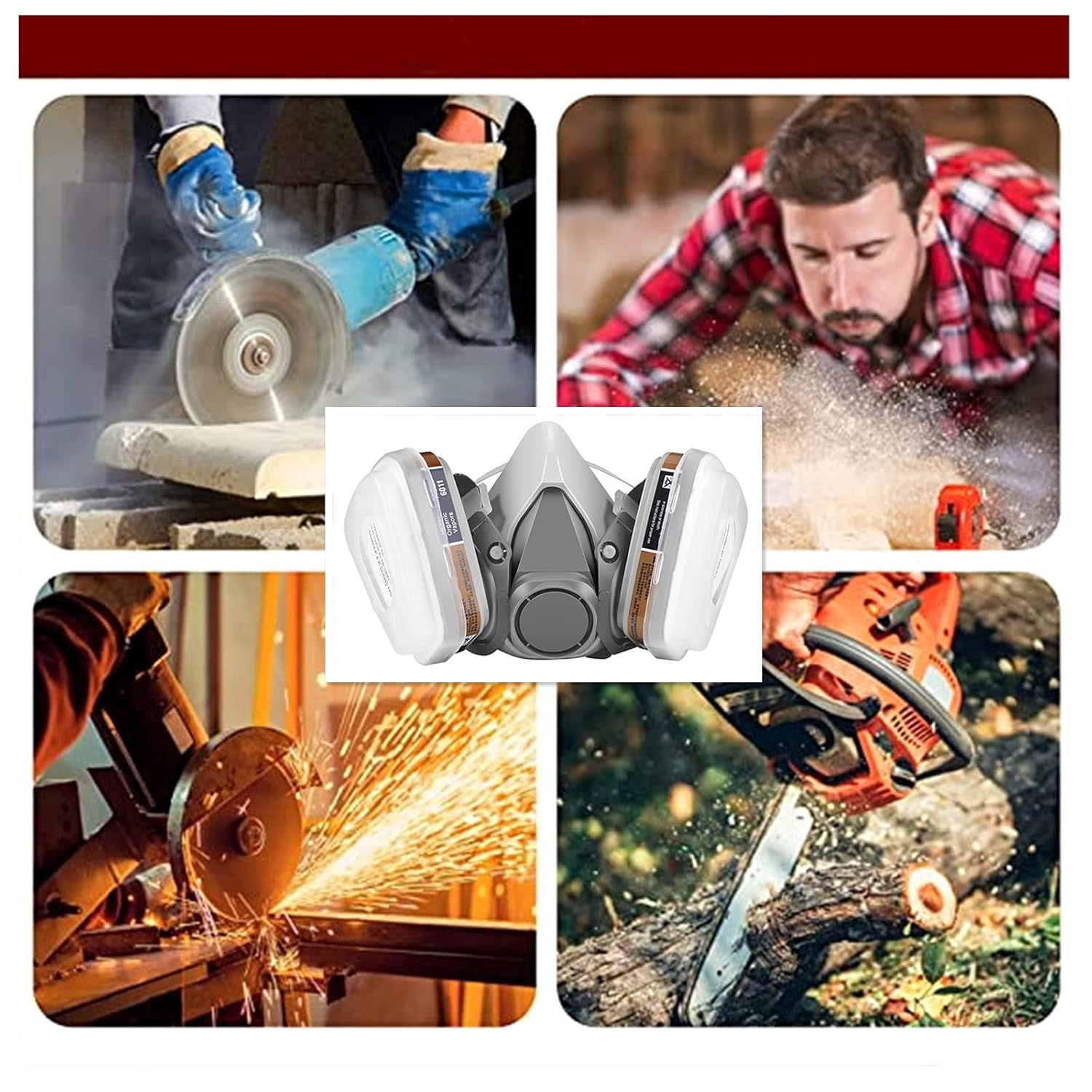
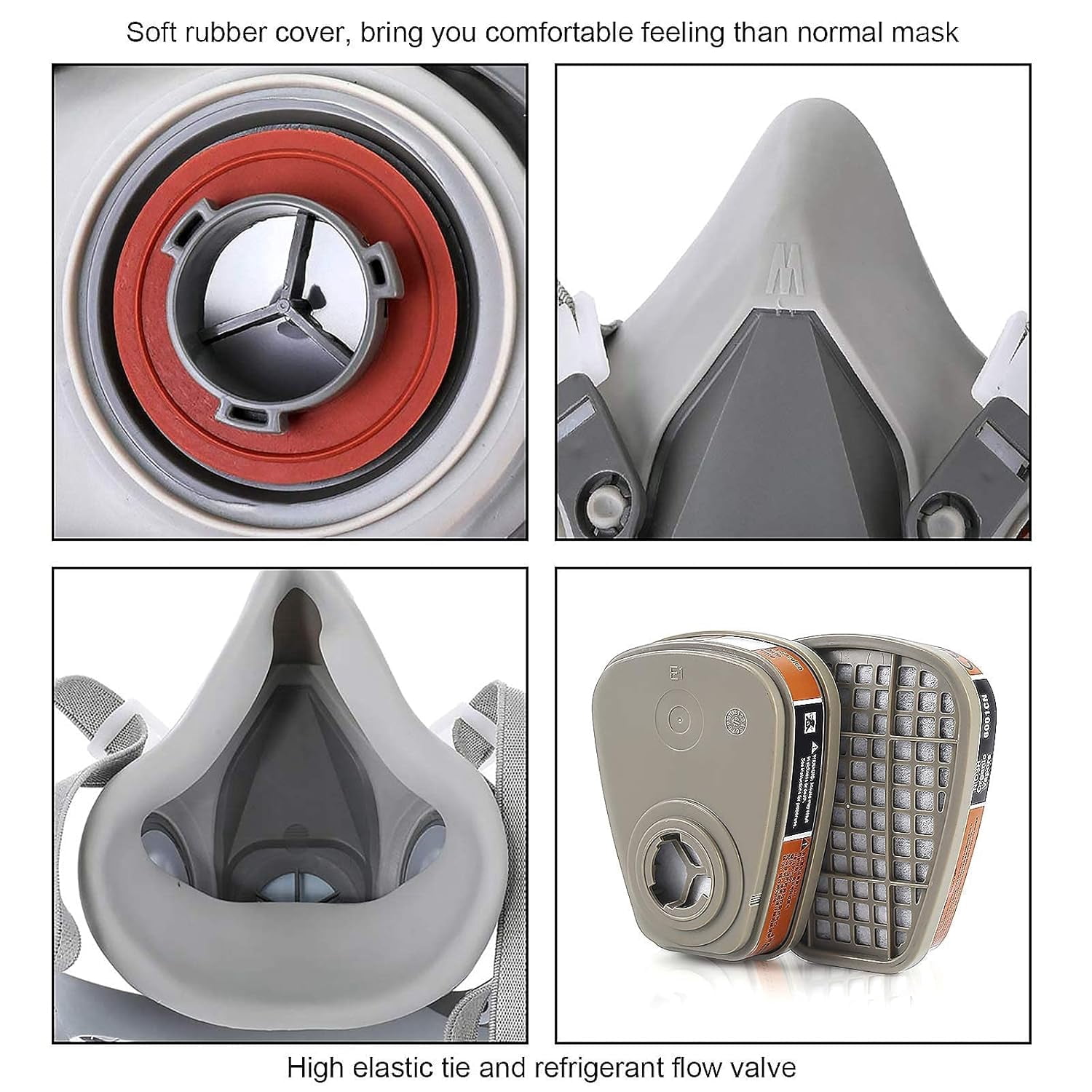 Home workshops face a spectrum of respiratory hazards that demand different levels of protection depending on the task. Disposable masks offer minimal cost but limited effectiveness for chemical vapors or fine particulates common in DIY projects. Full-face respirators provide maximum coverage and visibility but add weight, cost, and complexity that many home users find cumbersome for occasional work. The half-face respirator fills the practical middle ground, offering substantial protection at a price point and weight that makes daily use realistic. This product, constructed from food-grade silicone, sits at the entry level for serious reusable respiratory protection in DIY workshops. The silicone facepiece is soft and non-toxic, conforming to the contours of your face when the adjustable double-layer elastic headbands are secured. Unlike rigid plastic alternatives, this flexible silicone construction reduces pressure points and distributes headband tension more evenly across your face and temples. The respirator ships as a complete kit containing one mask body, two replaceable filter boxes, eight individual filter cartridges, and two plastic protective caps for storage. That arrangement provides multiple filters ready for immediate use, eliminating the need to purchase additional supplies before your first project. Weighing one pound, it remains light enough to wear for extended periods without causing neck or facial fatigue. The flexible design allows for quick repositioning if you need to move the mask away briefly and then reseal it around your nose and mouth. For woodworking, painting, epoxy resin casting, grinding, and sanding tasks, this respirator class sits exactly where most home shops operate—substantial enough to address organic vapors and particulates, but simple and light enough to encourage consistent use rather than being left on the shelf.
Reusable vs. Disposable: What You Gain and Lose
 Reusable half-face respirators introduce a different economic and practical equation than disposable masks. A disposable dust mask costs a dollar or two but lasts only hours before becoming less effective and requiring replacement. A half-face unit like this one costs more upfront but continues protecting you through dozens of work sessions using replaceable filters. The silicone facepiece can be cleaned and reused for months or even years, making the per-use cost relatively low once you factor in regular filter replacement. The trade-off is that you need to store the mask properly between uses, keeping it in a clean, dry location away from heat and sunlight, which can degrade the silicone. The filter cartridges also require replacement after exposure to high concentrations of vapors or after a period of time—typically every few months of regular use, depending on your work intensity. Half-face respirators also occupy more storage space than a pack of disposable masks; they're not something you toss in a drawer without thought. However, the included dual-layer filter design addresses both particulate matter and organic chemical vapors in a single cartridge, reducing the need to carry multiple filter types for different jobs. If you wear the mask for a few hours every few weeks, the replaceable filter supply that arrives with this kit will last considerably longer than purchasing disposables for the same period. Critically, half-face designs sacrifice the complete facial seal provided by full-face units; the edges of the facepiece depend on a good face-to-mask contact to function, which means individual fit variations matter more. For most workshop tasks, the trade-off between ease of use, cost, and adequate protection tips clearly in favor of reusable half-face protection over either disposables or the heavier full-face alternative.
We may earn a commission from purchases made through this link. Price and availability are not tracked on this site.
Fit, Filter Selection, and Knowing Your Workspace
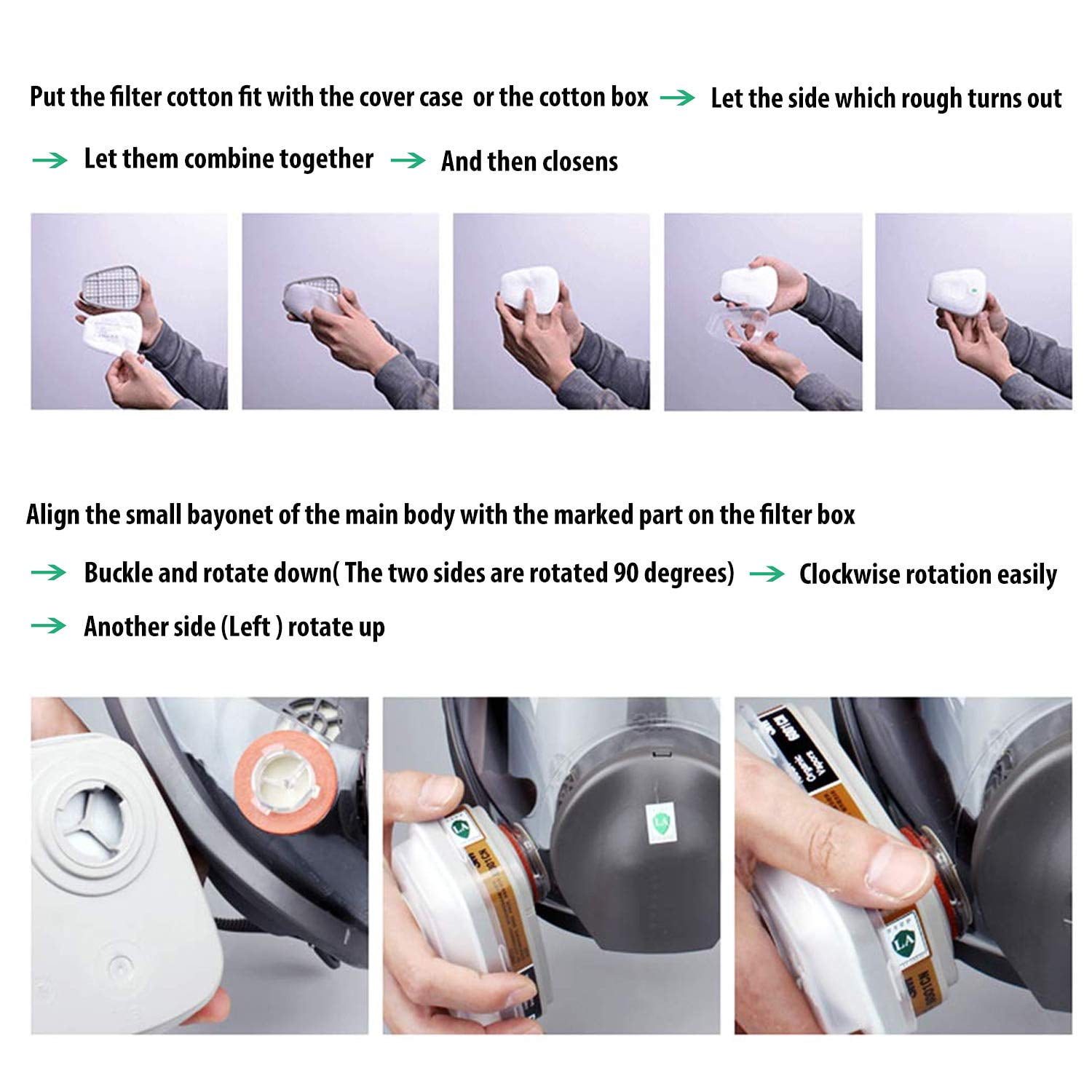 Before committing to any respirator, you must verify that your face shape and size will allow an adequate seal with this particular mask design. Silicone half-face respirators conform to a range of face profiles, but individuals with unusually small, large, or angular features may find inconsistent contact points where vapors leak past the edges. The easiest verification step at home is to put on the mask, secure the headbands snugly, and try breathing in sharply through your nose; the facepiece should briefly collapse inward if the seal is good. If you feel air leaking along the cheeks or sides of your nose, the fit may be inadequate for chemical vapor exposure, though it may still work for particulate dust protection. Understanding your actual workspace exposure matters just as much as fit: grinding or sanding dry wood or metal generates primarily dust and fine particulates that these filters handle, while spray painting, epoxy resin work, and solvent-based finishing generate organic chemical vapors that the dual-layer cartridges address. However, if you're working around gasoline fumes, diesel vapors, or high-concentration solvent exposure from industrial processes, you should consult mask ratings against your specific chemicals—half-face respirators have exposure limits that home shops typically stay within. The filter cartridges included in this kit function for several months of regular use, but you'll know it's time to replace them when you start detecting the odor of what you're working with, or after about three to six months of frequent use, whichever comes first. Store fresh cartridges in a sealed bag away from sunlight, and keep used cartridges in a clean container to extend their effective life between uses. Finally, understand that half-face respirators work best for intermittent shop tasks—an hour or two of sanding, a morning of painting—rather than as all-day respiratory protection in industrial settings. Assess your actual work pattern and chemical exposure before deciding this level of protection is sufficient for your projects.
Half-face respirators require you to accept two straightforward trade-offs: the need to verify and maintain an adequate face-to-mask seal, and the responsibility of replacing filters regularly according to your exposure levels. In exchange, you gain the ability to protect yourself against workshop hazards you encounter frequently enough to make reusable protection economical, without the bulk and cost of full-face equipment. This design choice works for home workshops where tasks are intermittent, individual fit varies, and the same hazards recur predictably across projects.