Fall Leaf Bubble Glass Vase: Materials, Size, and Care
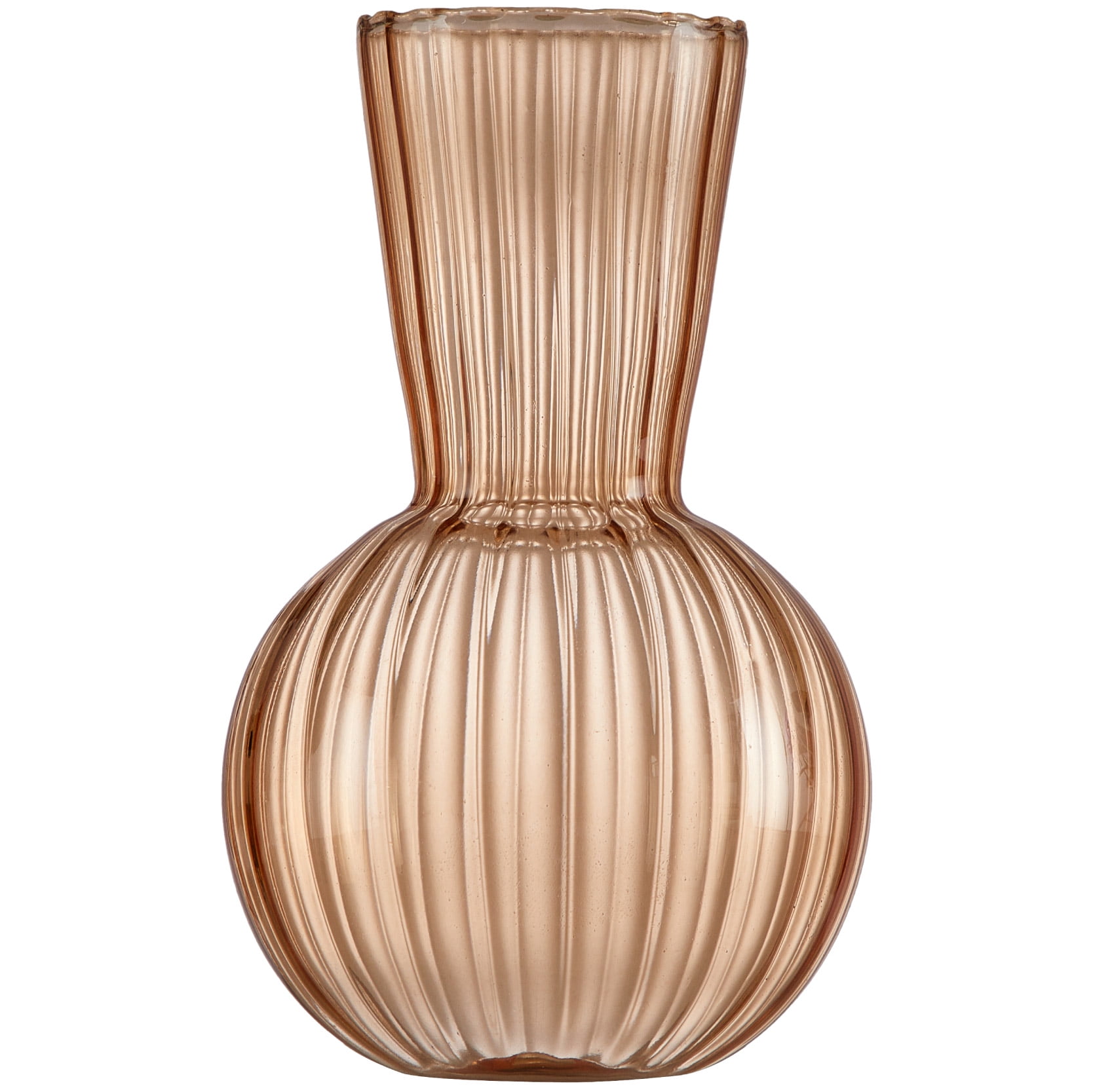
Glass has a way of catching light that shifts through the day, and a yellow tone can warm up a shelf even when nothing is blooming in it. Decorative tabletop vases are usually judged by their material first, then by size and surface texture. This article looks at one small glass piece with a bubble-textured surface and a warm yellow finish, and explains what it is made of, how it sits on a surface, and how to keep it clean.
Contents
What the Vase Is Made Of and How Big It Is
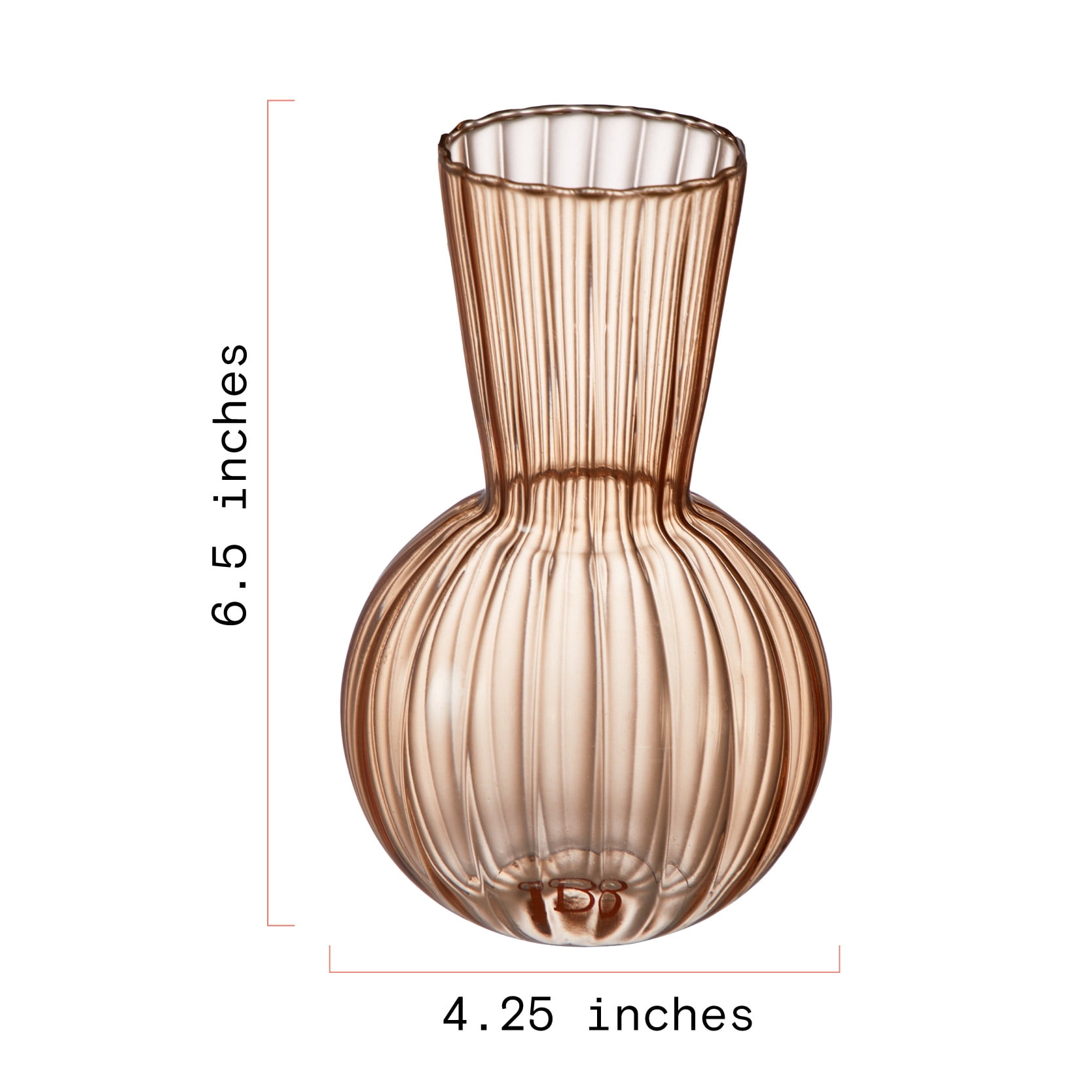 The vase is made of glass, the only material listed in the product details. Its listed size is 4.25 inches by 4.25 inches at the base and 6.5 inches tall, so it is a tabletop piece rather than a floor vase. The product information also lists a weight of 0.31 pound, which is light enough to lift with one hand and move from a windowsill to a dining table without much effort. The surface has a bubble shape, meaning the rounded, raised bumps break up the light that passes through the wall of the glass. The data also lists a ribbed pattern, so the texture runs in lines as well as bubbles, and the surface can look slightly different from each angle. The color is listed as yellow, a warm tone that reads as autumnal beside brown, orange, or cream textiles. The package includes one decorative vase, with no lid, stopper, or insert, so the count is one piece. Because the vase is a single glass piece, there is no hardware, base plate, or separate collar to assemble or lose. The listed style tags are contemporary and bohemian, which suggests it suits both clean-lined rooms and more layered, eclectic decor. That 6.5-inch height is tall enough to be seen across a small table yet short enough to fit on many narrow shelves. Before ordering, measure the shelf depth and the open height above the spot you have in mind, because a bouquet can rise well above 6.5 inches once stems are added.
Setting Up the Vase on a Surface
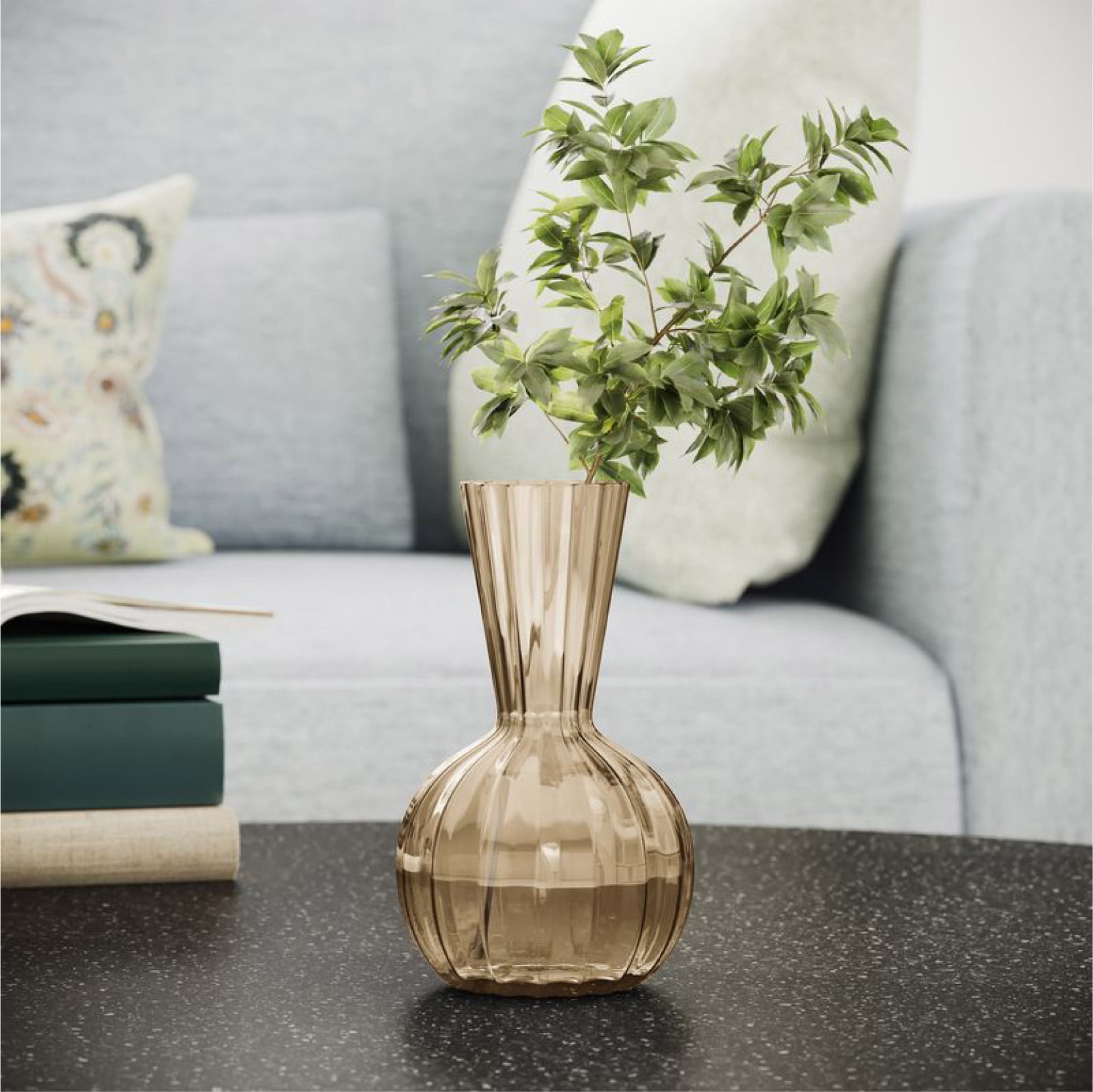
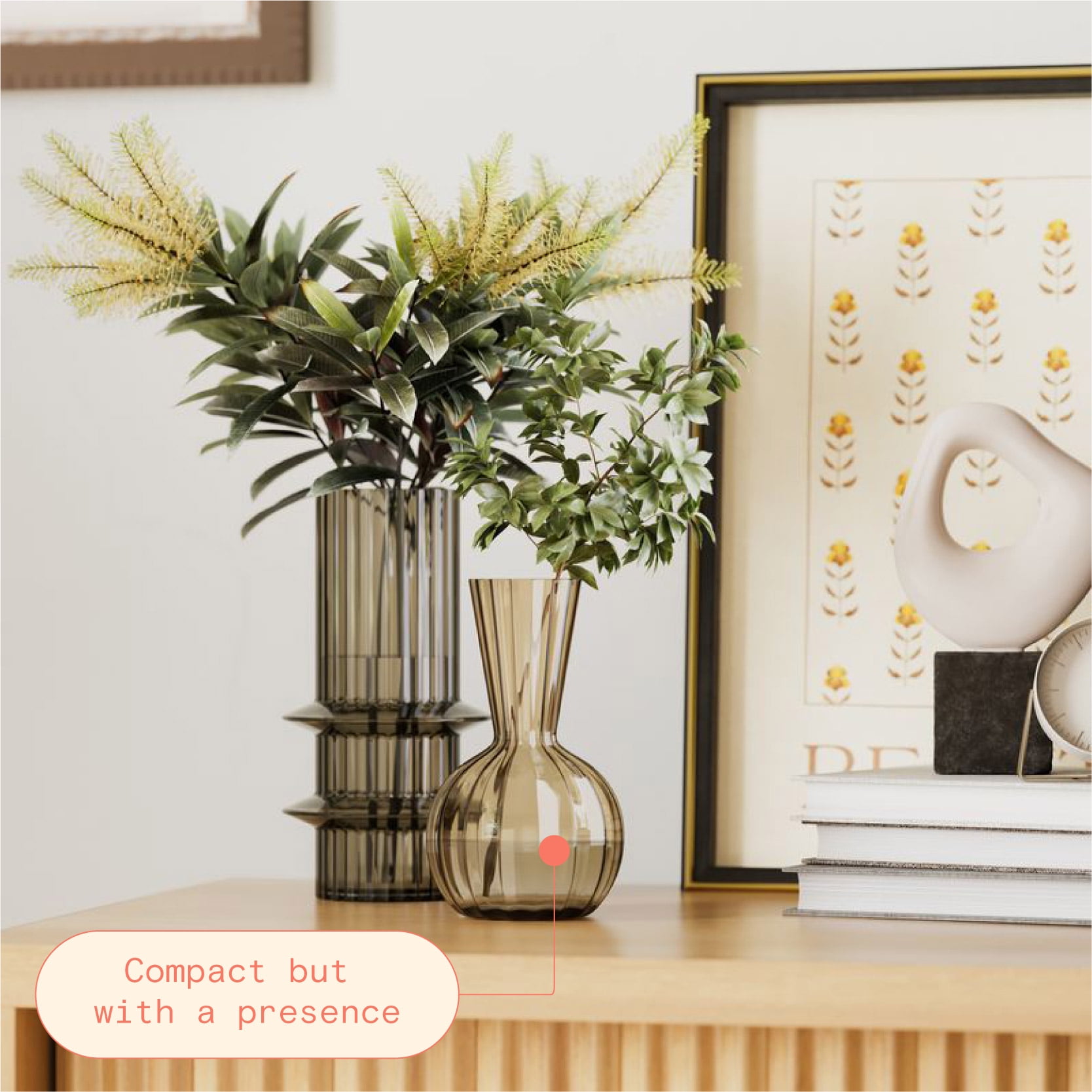 Setting up this vase requires no assembly, because the product data describes one decorative vase with no separate parts. There are no hardware kits, base plates, or fasteners to sort through after unpacking, so the first step is to remove the packing and set the piece on a clean surface. The listed vase type is tabletop, and the data does not mention any hanging hardware, so plan to place it on a shelf, sideboard, mantel, or table rather than on a wall. Choose a surface that is flat and level, since a glass body rests on its base and a slightly uneven spot will make it wobble. The tools this job needs are minimal: a soft cloth for a final wipe and a tape measure to confirm the space before setting it down. Measure the surface depth, which is 4.25 inches, and the open height above it, leaving room for any stems you plan to add. If you intend to add flowers, check the product information first, because it notes that flowers and plants are not included and does not state a water capacity. Without a stated capacity, a reader should not assume the vase is meant to hold water for fresh stems, so dry leaves or dry stems may suit it better. Hold the vase by its body when you move it, and set it down gently rather than dropping it into place. Placing it away from table edges and high-traffic walkways keeps it from being knocked over, which is the most common way a glass piece is damaged.
We may earn a commission from purchases made through this link. Price and availability are not tracked on this site.
Cleaning, Care, and Wear Over Time
 Caring for this vase is straightforward, and the product information gives one method: wipe clean. The features list also includes the word washable, but the care note names wiping as the listed method, so a damp soft cloth is the approach to follow rather than soaking or machine cleaning. Start by emptying any water, leaves, or stem debris, since leftover plant matter can leave marks or an odor inside the body. Textured glass can hold dust in the bubbles and along the ribbed lines, so a dry microfiber cloth is useful for lifting loose dust before any damp wipe. Avoid abrasive scrubbing pads, because they can leave fine scratches that catch light differently over time. Dry the vase thoroughly before returning it to a finished wood surface, since trapped moisture can leave water rings on the surface below. The parts that wear most are the rim and the base edge, which can chip if the vase is knocked against a hard surface or stored where other objects can strike it. Check the rim and base each time you clean, looking for small chips that could catch a finger or snag fabric. If you pack the vase away for a season, wrap it in padding inside a box, and keep it away from heat sources such as radiators or long periods of direct sun. A chipped piece is better replaced than repaired at home, so a reader who finds damage should plan for a new vase rather than attempting a fix.
This Fall Leaf vase fits a living room shelf, a bedroom nightstand, or a seasonal table display where a small yellow glass piece is the goal. It suits readers who have measured the surface, plan to keep it indoors, and are comfortable wiping it by hand. Anyone who wants more height or a vase for fresh flowers should review the stated dimensions and missing water capacity before deciding.