Before Installing an Under-Sink Tankless Heater: Space, Flow, and Setup to Check
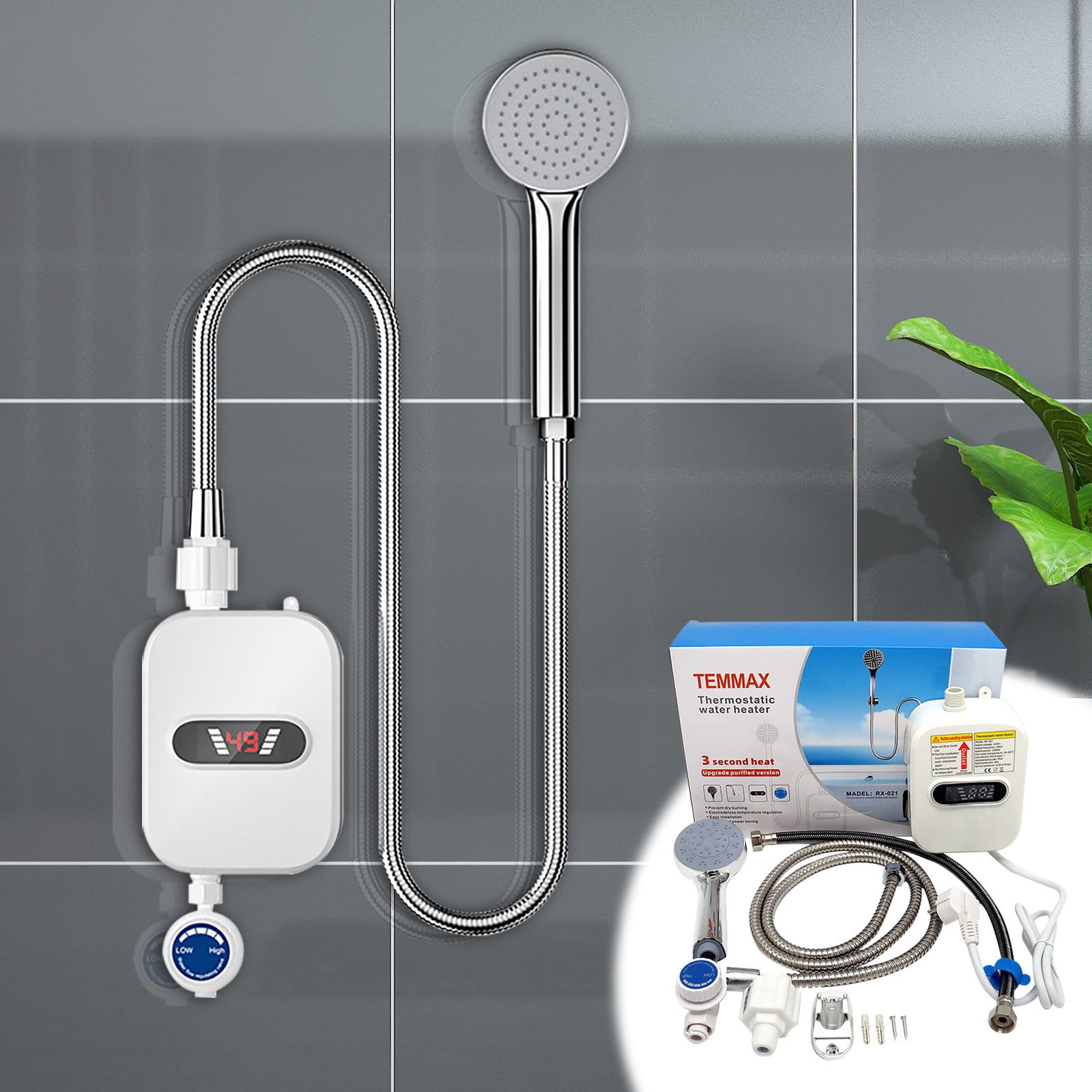
Small kitchens and apartments often mean choosing between a bulky water heater or cold water at the tap. A compact electric tankless model that sits under the sink or next to a bathroom vanity delivers hot water on demand, with minimal installation fuss. Before you commit to one, understanding its flow capacity, physical fit, and electrical requirements is essential.
Contents
Instant Water Without the Wait—And What That Actually Means
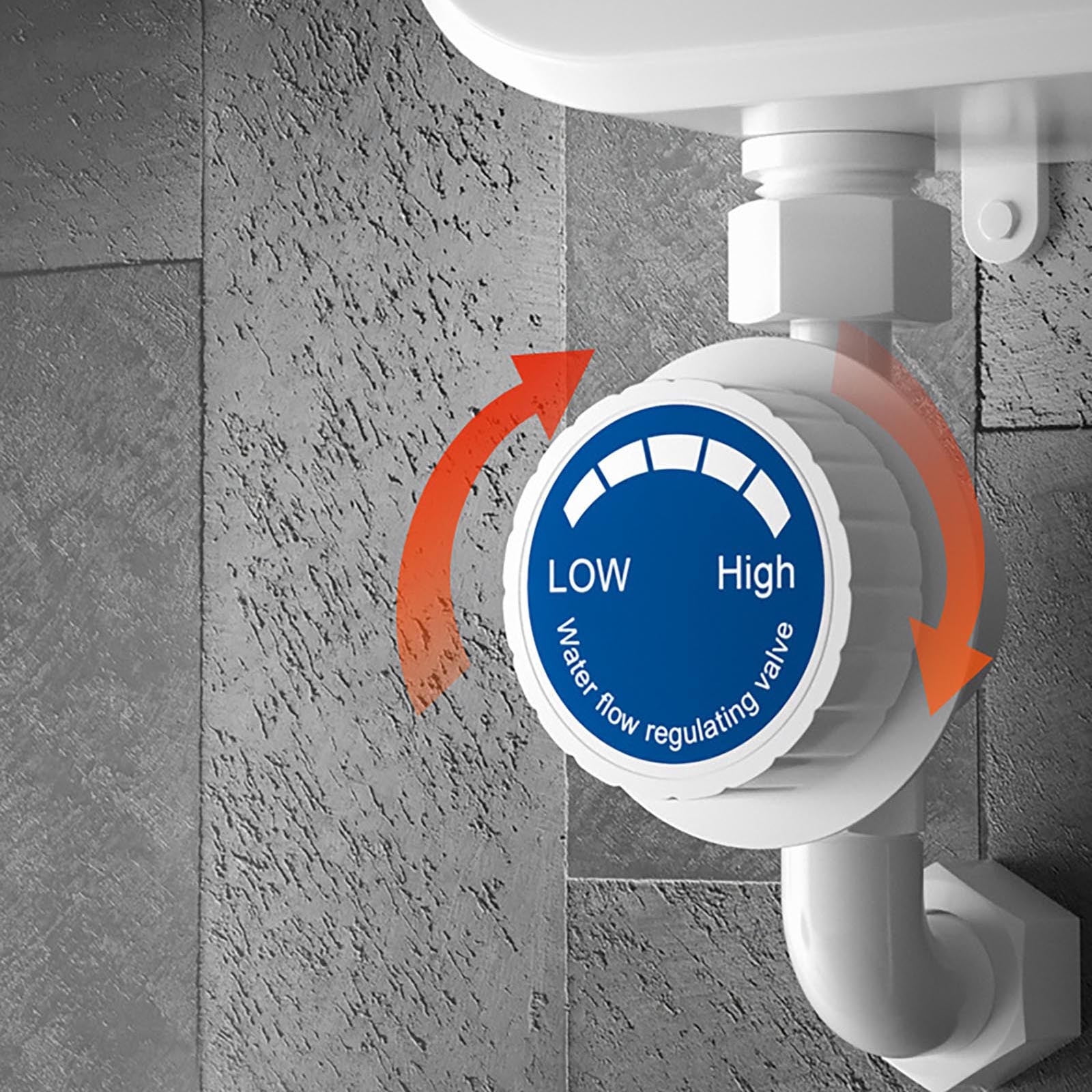 This heater produces 100 liters of hot water per hour at its highest setting—enough for a kitchen sink, shower, or dishwashing without waiting for a tank to build up heat. The 3500-watt heating element responds in about three seconds once water starts flowing, meaning no time lost to preheating or tank recharge cycles. The thermostatic control lets you dial in any temperature between 68°F and 140°F, and adjustable power settings ranging from 2.1 to 5 kilowatts let you choose how fast the heating happens. Lower power settings draw less electricity but heat the same water more slowly; higher settings heat faster but consume more watts. The copper heating element inside resists mineral scale buildup, which matters if your water has higher mineral content. Because the unit only heats water as it flows through—rather than keeping a tank hot all day—there is no standby energy consumption between uses. You pay for the electricity only when hot water is running, which is the core difference from traditional tank heaters that cycle on and off to maintain temperature. The 110-volt plug-and-play design means no dedicated electrical circuit or ground wire is required; you plug it into a standard outlet. This simplicity also makes it portable between locations if you ever need to move it.
Understanding the Physical Footprint and Capacity
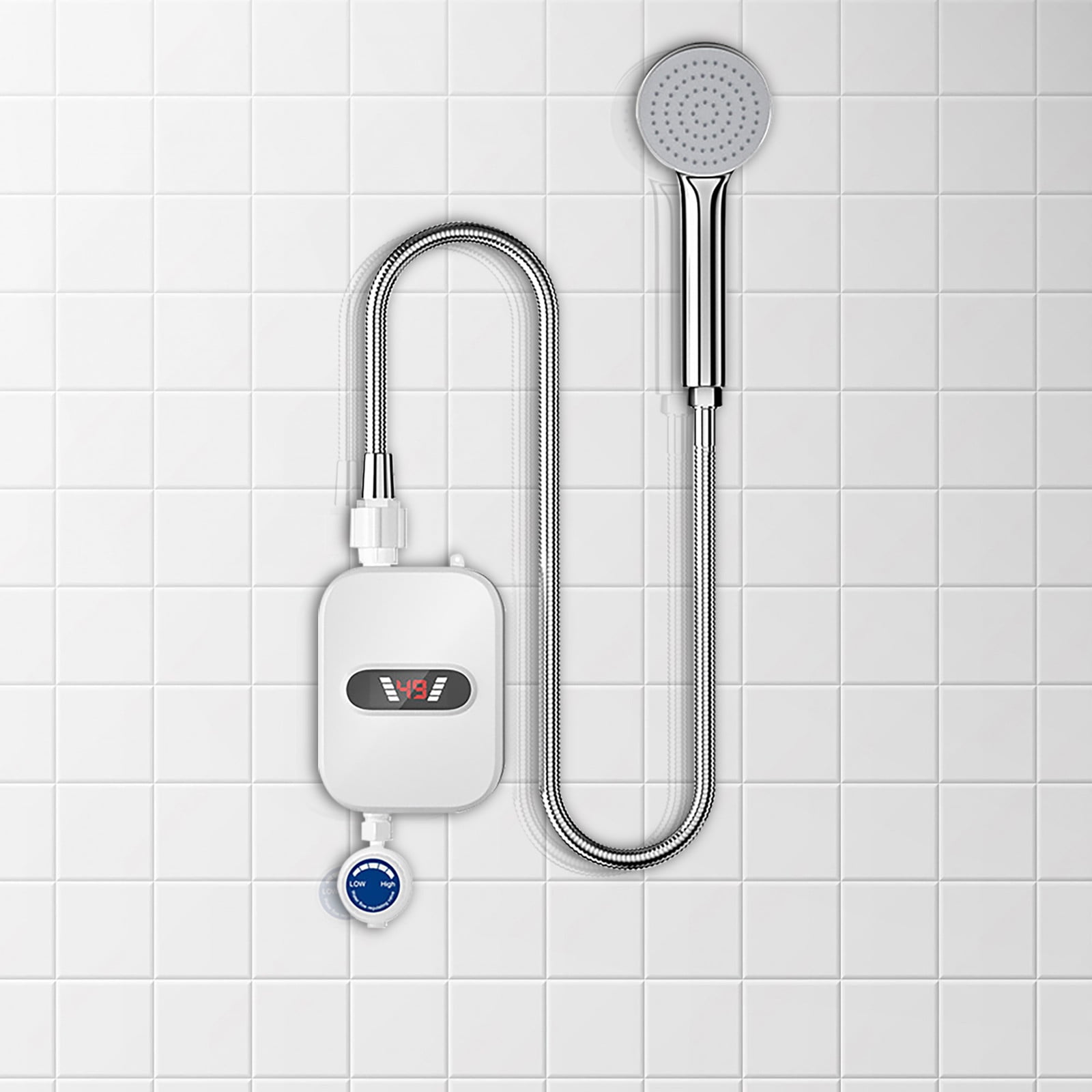 The unit measures 12.5 inches wide, 6.5 inches deep, and 20 inches tall—dimensions that fit under most kitchen cabinet sinks and above bathroom vanities. At 2.19 pounds, it is light enough to mount on a wall or wedge into a tight corner without structural concerns. The 5-liter volume refers to the internal chamber where water circulates and heats, not a storage tank; the actual water you use comes directly from your main line or a faucet line you run to it. With a 100-liter-per-hour flow capacity, this unit handles steady flow for one fixture at a time; if you run the kitchen sink and shower simultaneously, both draw from the same flow budget. The compact footprint makes it ideal for apartments, RVs, tiny homes, or any situation where you cannot install a full-size 40 or 50-gallon tank. The included showerhead kit lets you use this as a dedicated shower heater rather than only for sink duty, though it occupies space either way. Before purchasing, measure the cabinet or wall space where you plan to install it, especially the height clearance above, since the 20-inch height is substantial in tight quarters. Check whether existing water lines feed your target location; longer runs from the main water source mean slower response time to turn-on. Confirm you have a 110-volt outlet within reasonable distance; extension cords work but reduce voltage over long runs.
We may earn a commission from purchases made through this link. Price and availability are not tracked on this site.
Finding the Right Installation Location
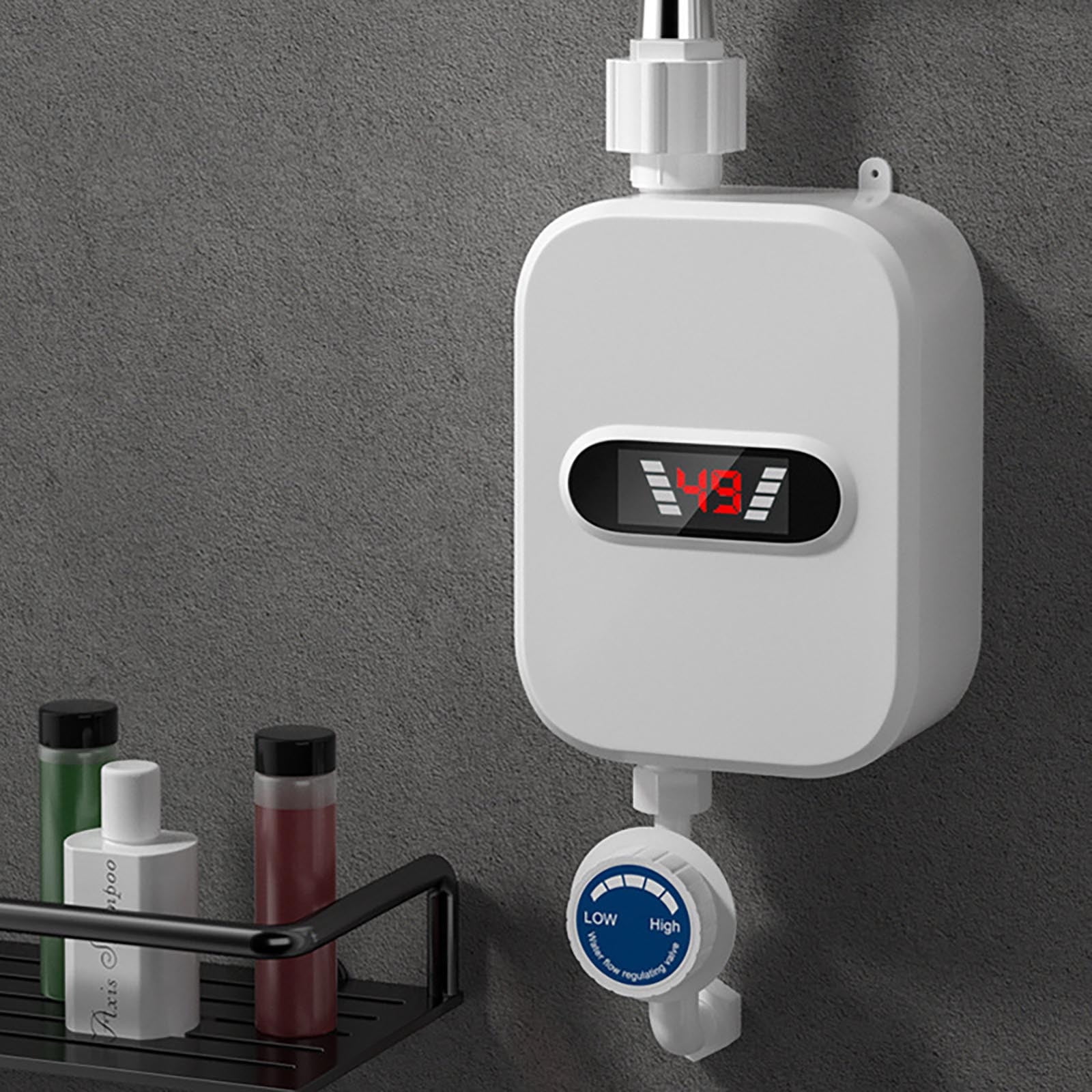 The under-sink design targets kitchen cabinets where a hot-water tap sits at ground level, but this is not the only place it works. Many people install one in a bathroom vanity to deliver hot water straight to the sink faucet, and the showerhead kit attachment makes it functional as a shower-only heater if you want dedicated hot water for bathing without affecting kitchen access. RV enthusiasts use these in cargo bays or under dinettes because standard propane water heaters consume more room and use fuel continuously. The critical decision is proximity to the water source; the closer the heater sits to the supply line, the faster hot water reaches your fixture after you turn the tap. Long runs of cold pipe require running water through those pipes first to bring the heater online, creating a few seconds of delay. The 110-volt plug requirement means you need an outlet nearby; if the nearest outlet is on the opposite side of the kitchen, a long extension cord becomes necessary. Standard plumbing connections at the inlet and outlet ports match common faucet supply lines, but you will confirm your existing plumbing's thread sizes and fittings before assuming a straightforward hookup. The heater itself draws 3500 watts at full power, which is within the capacity of standard 15-amp household circuits when it is the only major appliance running on that circuit. Avoid sharing circuits with high-draw devices like space heaters or air conditioners if possible.
Maintenance, Durability, and Long-Term Expectations
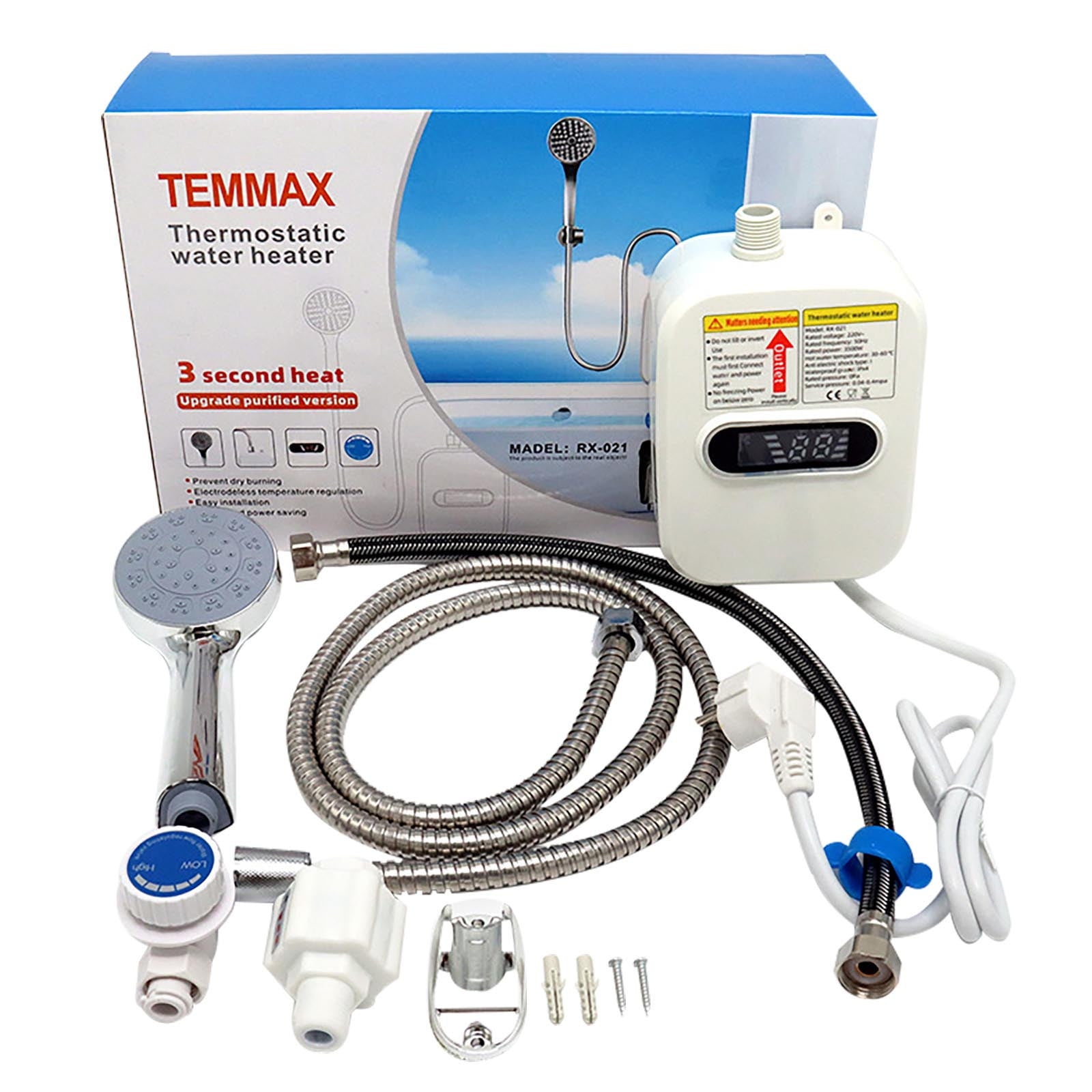 The copper heating element resists the mineral buildup—or scale—that degrades heating efficiency over time. If your water supply carries significant calcium or magnesium content, scale can accumulate, though the copper material makes this slower than less corrosion-resistant alloys. Periodic flushing with a weak vinegar solution removes light scale deposits; consult product resources before opening the unit for cleaning. The product includes no written warranty, meaning any repair or replacement is out of pocket if failure occurs beyond an initial return window. Checking the return policy and extended-protection plans at the point of sale is wise. The unit requires indoor installation and does not need frost protection, so basements, crawl spaces, and garages work as long as water lines reach the location. Avoid placing it directly above heat sources like stoves or in intense direct sunlight, which shortens lifespan. The internal chamber collects sediment over time, and periodically flushing the drain port prevents flow restriction. The included showerhead is basic plastic, and many users replace it with a preferred fixture. Mineral deposits on exposed metal fittings wipe clean with vinegar or a damp cloth. The 110-volt cord itself has no special maintenance, though keeping it dry and away from standing water prevents electrical hazards. Long-term durability depends on water quality; homes with softer water report fewer maintenance needs.
Before deciding, measure the space where you plan to install it, confirm a 110-volt outlet is accessible nearby, and check whether your plumbing connections match the unit's inlet and outlet ports. Verify that your household electrical service can handle a 3500-watt load on the circuit where the heater will plug in, and plan for the fact that it heats one fixture at a time. Consider your water quality—softer water means less maintenance, while harder water may require occasional vinegar flushes to maintain flow.