Filling Kitchen Gaps: Using a Transparent Countertop Filler Board for Appliance-Edge Storage
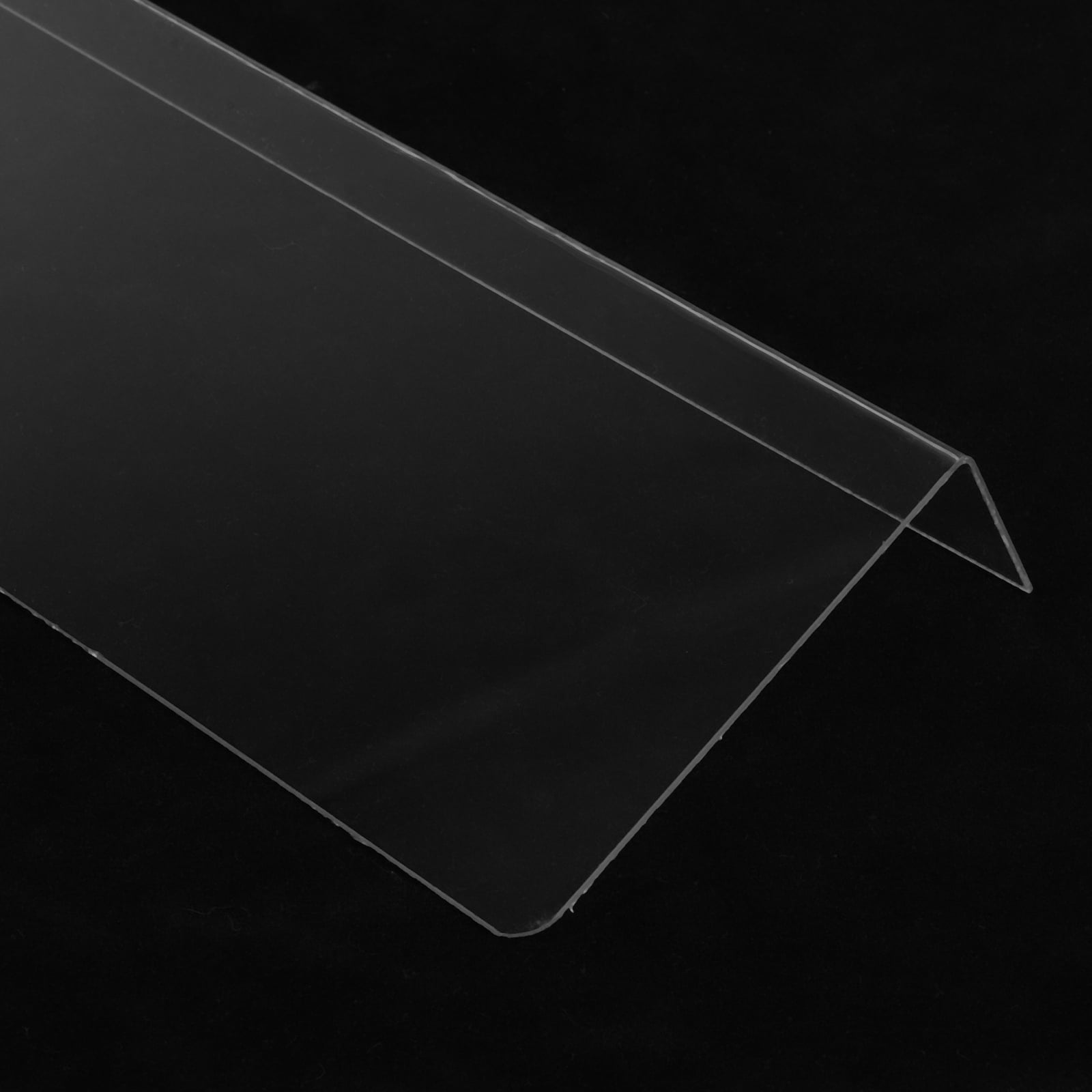
Kitchen countertops are prime real estate, yet gaps between appliances and counters often go unused or accumulate debris that is difficult to reach. Organizing these narrow spaces requires a solution that fits between a refrigerator's side and the counter, or fills the gap beside a sink without taking up valuable counter surface. A transparent gap filler board addresses this challenge by extending usable space in spots that would otherwise go to waste.
Contents
Where Gap Fillers Fit in Kitchen Organization
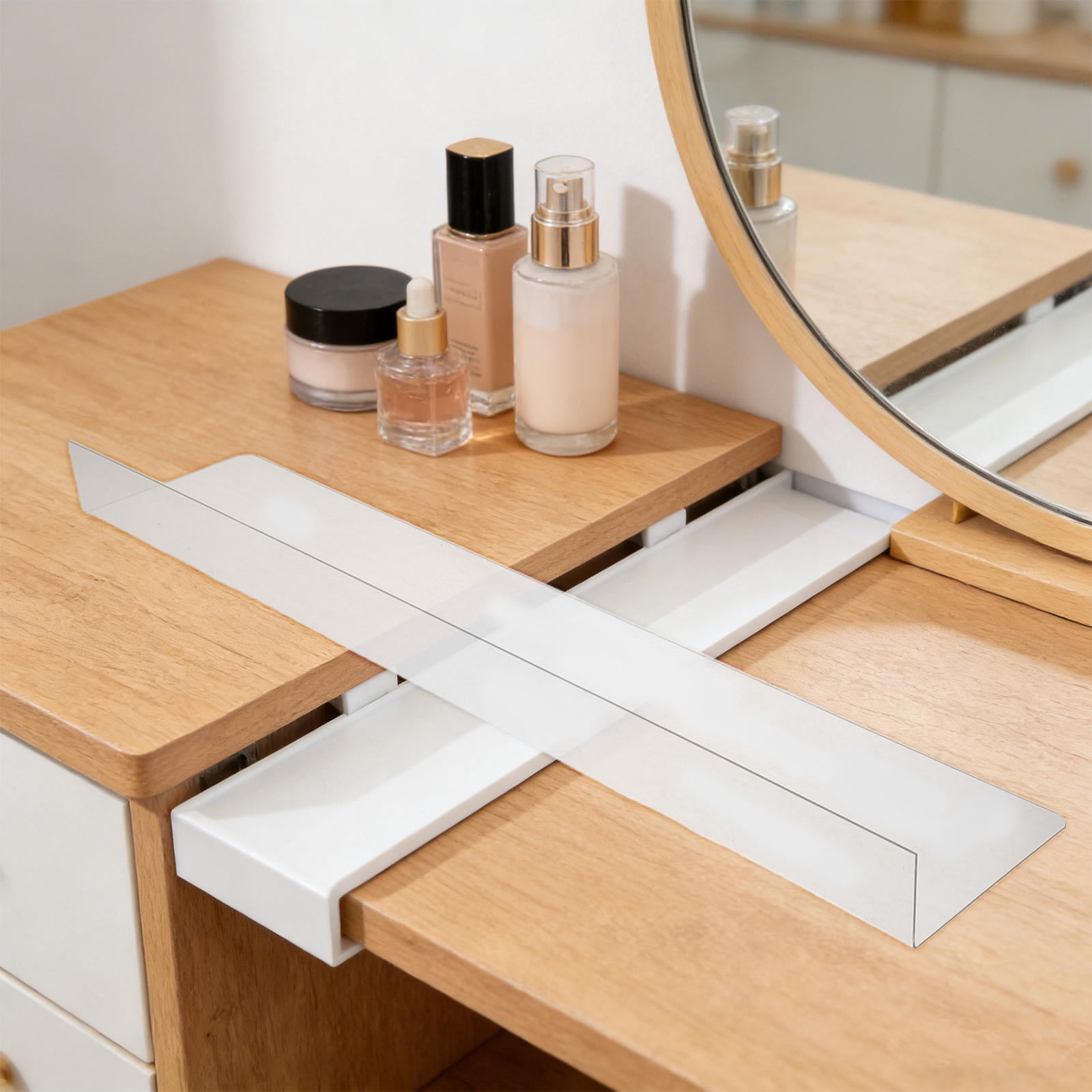
 Kitchen organization typically falls into two camps: storing items away in cabinets and drawers, or keeping daily-use goods visible on the counter for quick access. A gap filler board occupies a middle ground, claiming space that exists between appliances and your countertop but goes largely unused. Most kitchens have a narrow strip running along one side of the refrigerator, or a gap where the counter meets the sink cabinet but doesn't quite align with the appliance edge. These spaces are too tight for standard organizers or containers, yet they represent wasted square footage in kitchens where counter real estate is already scarce. A gap filler converts these unusable gaps into organized storage by sitting flush against the appliance, creating a platform where items cannot roll or slip behind the fridge or into the spaces between cabinet edges. For dish soap, cleaning supplies, cooking oils, or other items you reach for daily, this placement keeps them within arm's reach without monopolizing your main countertop. Unlike closed cabinet storage, which requires opening doors and moving items around, the transparent surface lets you see what is stored there and grab it instantly. The board sits on top of the counter and requires no tools to install, making it an option for renters or homeowners who prefer not to modify permanent fixtures. Gap fillers work equally well beside sinks, refrigerators, stoves, or dishwashers—anywhere your specific kitchen layout leaves a narrow gap. In small kitchens, these hidden square inches add up; a single gap filler can free several square feet of main counter space by relocating items that would otherwise sit in the center. The transparent design ensures the board itself doesn't add visual clutter; it blends into the background while delivering practical storage.
Transparent PVC Versus Solid Cabinet Extensions
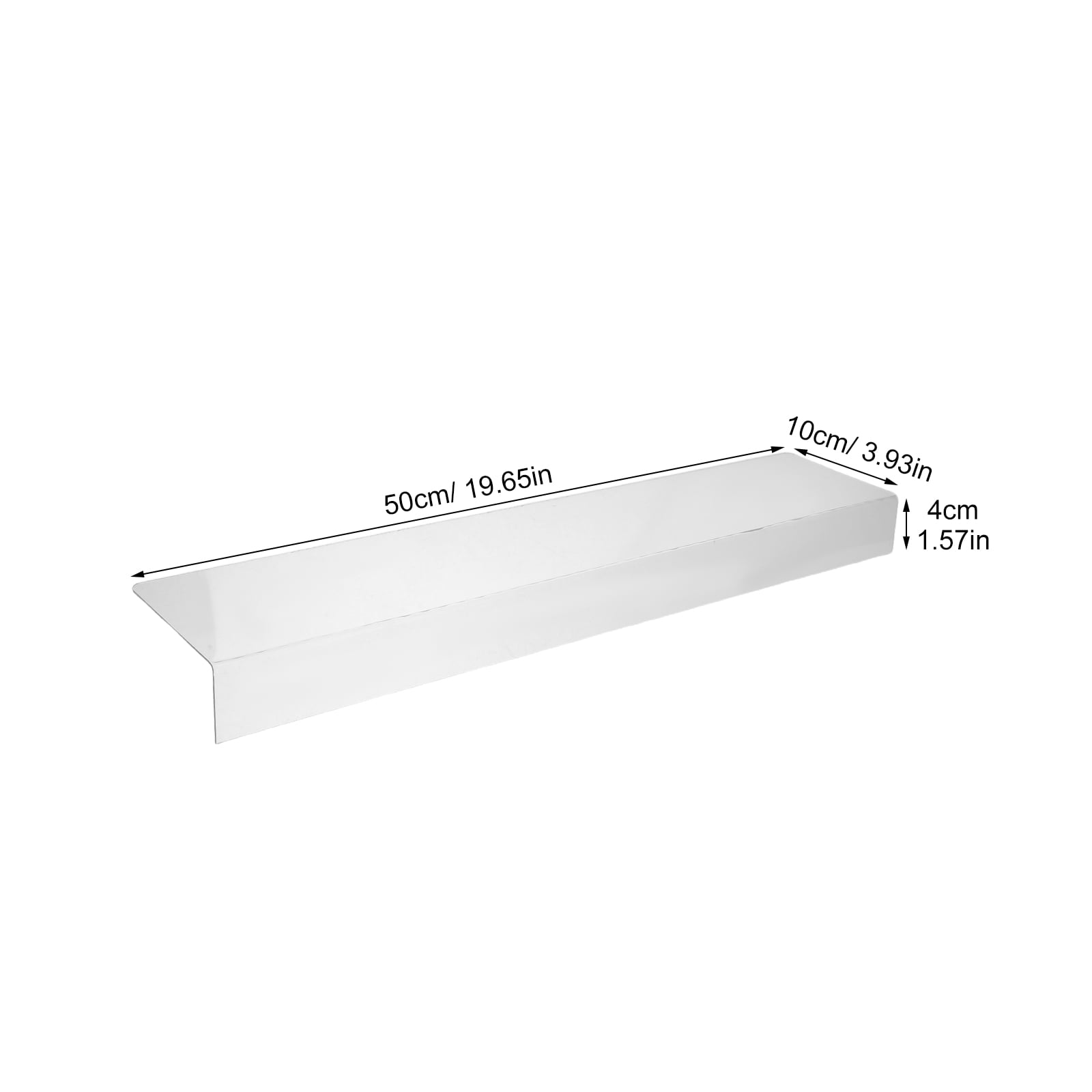
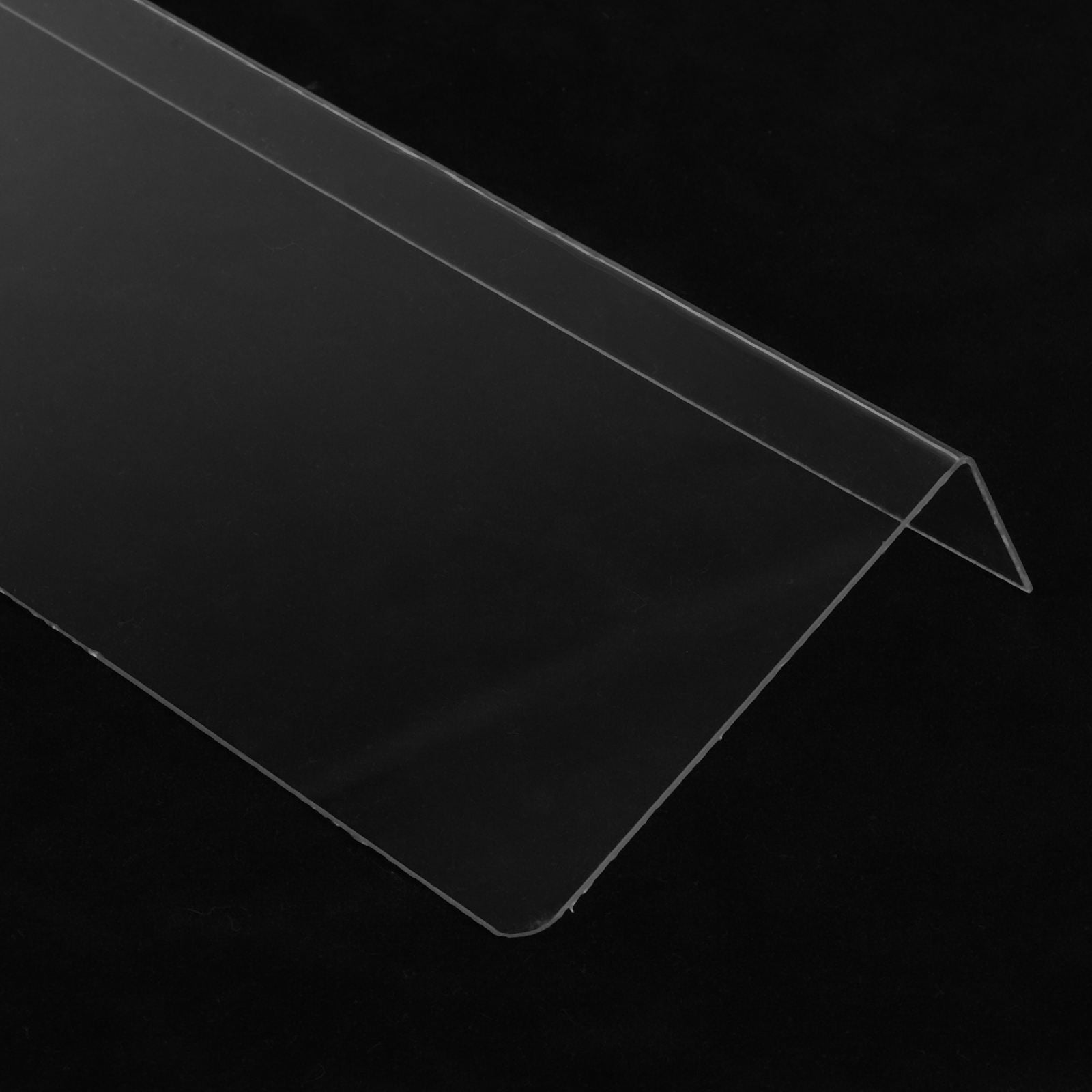 Gap fillers made from transparent PVC represent a different approach from solid wood or plastic cabinet extensions that take up counter space. A transparent board allows light to pass through, so narrow gaps remain visually open rather than appearing blocked off by opaque material. This transparency keeps the kitchen feeling less cramped, even as you use every available inch of space. Solid cabinet extensions typically sit on the counter itself and have a closed underside, meaning they block airflow and make it harder to clean behind them. A thin, transparent gap filler sits flush against the appliance and counter, allowing air to circulate and making the gap more accessible for occasional cleaning. The trade-off is that a transparent filler offers less height than a tall cabinet extension—at 1.57 inches tall, it cannot hold items that require standing room but works perfectly for flat or low-profile goods. Solid wood or laminate extensions that match your countertop material create a seamless, integrated look, whereas a transparent PVC board prioritizes function over aesthetic perfection. The waterproof nature of PVC means it resists moisture and stains from kitchen spills without requiring sealing or special maintenance; a wood extension would need occasional refinishing in a humid kitchen environment. Because a transparent board takes up minimal visual weight, it suits kitchens with limited counter depth or where you want the appliance placement to remain visible rather than hidden behind a tall extension. Solid extensions that match your countertop are ideal if you want the gap space to feel like a permanent, integrated part of your kitchen design. A transparent filler suits temporary installations, rental kitchens, or situations where you want to add storage without committing to a permanent modification. The 19.15-inch length of this particular model means it covers most standard gaps but may not bridge particularly wide spaces between all appliance models and counter configurations.
We may earn a commission from purchases made through this link. Price and availability are not tracked on this site.
Measuring Your Gaps Before You Decide
 Before ordering a gap filler, measure the specific areas in your kitchen where you intend to use it. The gap between your appliance and countertop must be at least as wide as the filler board to prevent rocking or tipping; this model measures 3.9 inches wide, so your gap should be close to that dimension to ensure a snug fit. The 19.15-inch length fits most standard refrigerator and sink gaps, but older kitchens or custom layouts may have shorter or longer spaces that require a different solution. Verify that the height of the gap allows for approximately 1.5 inches of clearance above the counter without the board interfering with drawer pulls, cabinet doors, or appliance handles. Check whether the appliance or counter has a lip or trim that might prevent the board from sitting flush against the counter surface. If you plan to store items on top of the filler, consider the weight distribution—bottles and cans should be arranged so weight is balanced and nothing heavy leans against the appliance itself. The transparent PVC construction means fingerprints and dust become visible, so choose locations where you are willing to wipe the board occasionally to keep it looking clean. Test the depth of the gap by placing a ruler or measuring tape into the space to ensure items you plan to store will not interfere with the appliance or extend beyond the counter edge. Some kitchens have gaps that taper or slope, especially near older appliances; if your gap is not uniform in width along its length, the board may not sit evenly on the counter. Verify that the countertop surface where the filler will rest is relatively level and free of large debris or old caulk that might prevent a secure seating. The 0.34-pound weight of this particular model means it is light enough to move if you need to reposition it, but still stable enough not to slide when items are stored on top.
A gap filler board trades the visual permanence of cabinetry for lightweight flexibility and maintains your ability to clean and access the gap occasionally. The transparent material keeps the appliance and counter visible rather than hidden, which suits kitchens where you want to preserve the sense of openness despite adding storage. Measuring your specific gap carefully ensures the filler will sit securely and function reliably for the daily storage role it fills.