Silicone Respirator Masks for Workshops and Job Sites: Construction and Ongoing Care
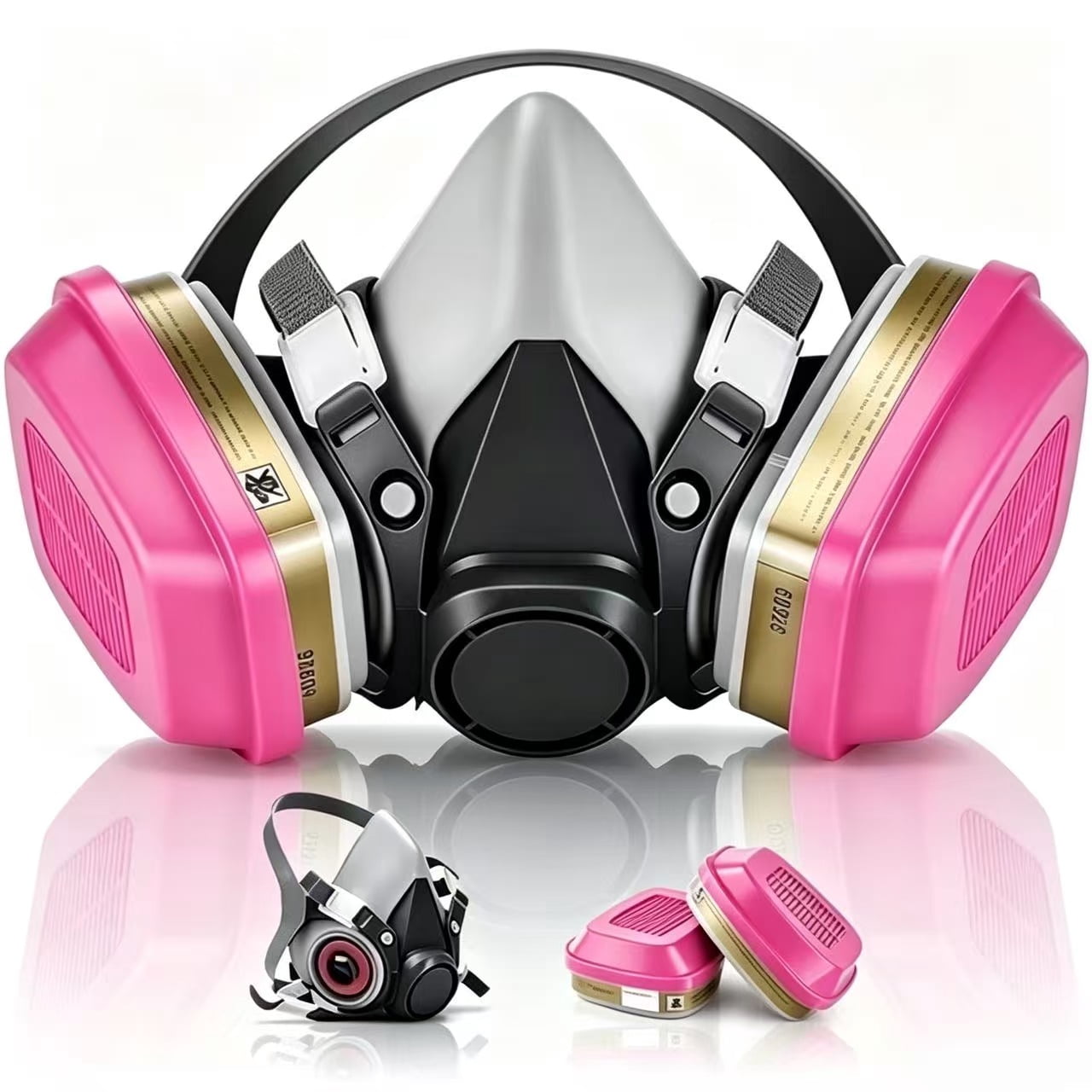
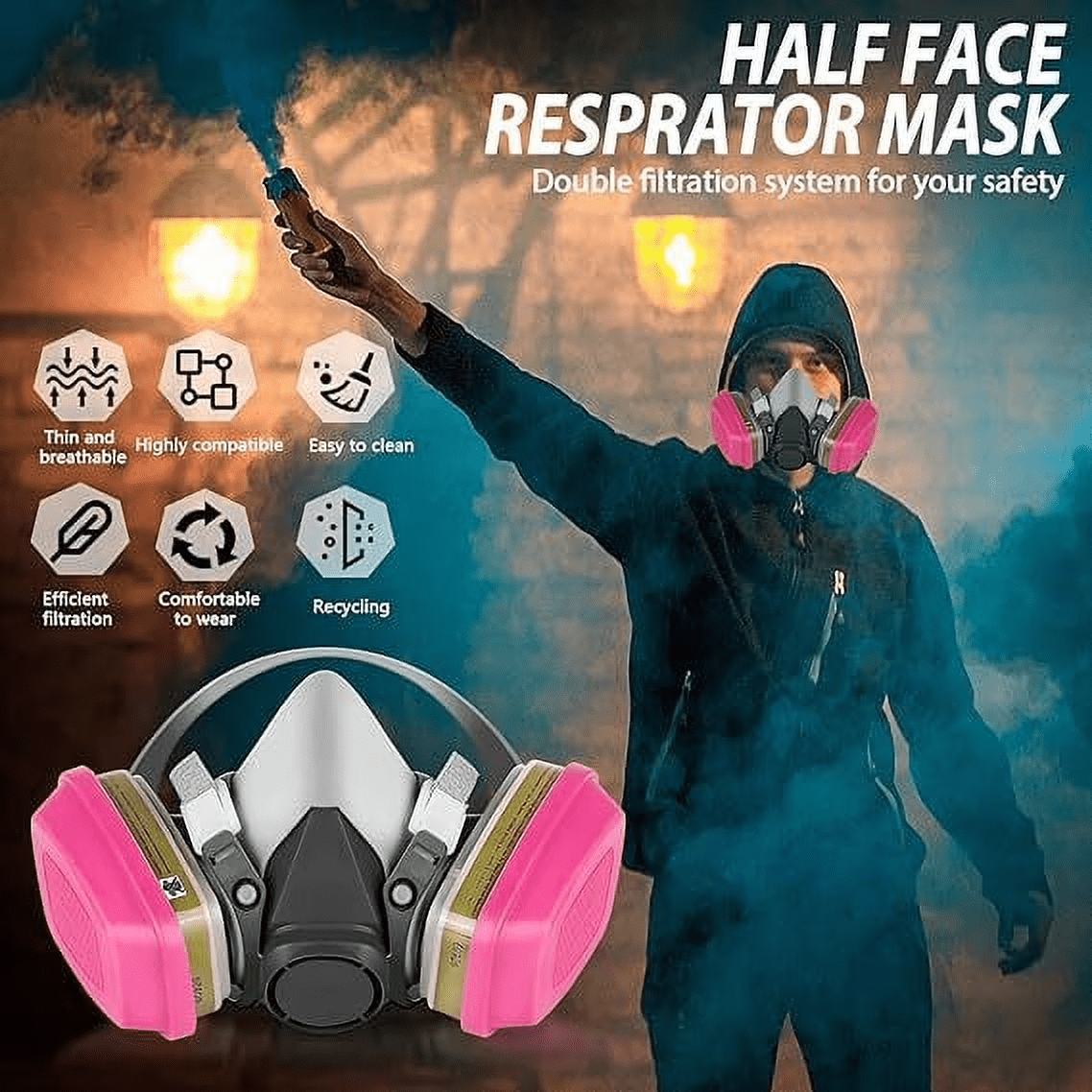
Half-face respirator masks built from food-grade silicone offer durability and comfort during extended wear in workshops, construction sites, and finishing jobs. The design combines a plastic framework with soft silicone that contacts the face, creating a seal without irritation. These masks are made to be reused for months or years by simply replacing the filter canisters as they become saturated. Understanding what goes into the construction and how to maintain the mask ensures you get the full service life from your investment in respiratory protection.
Contents
Silicone and Plastic Composition
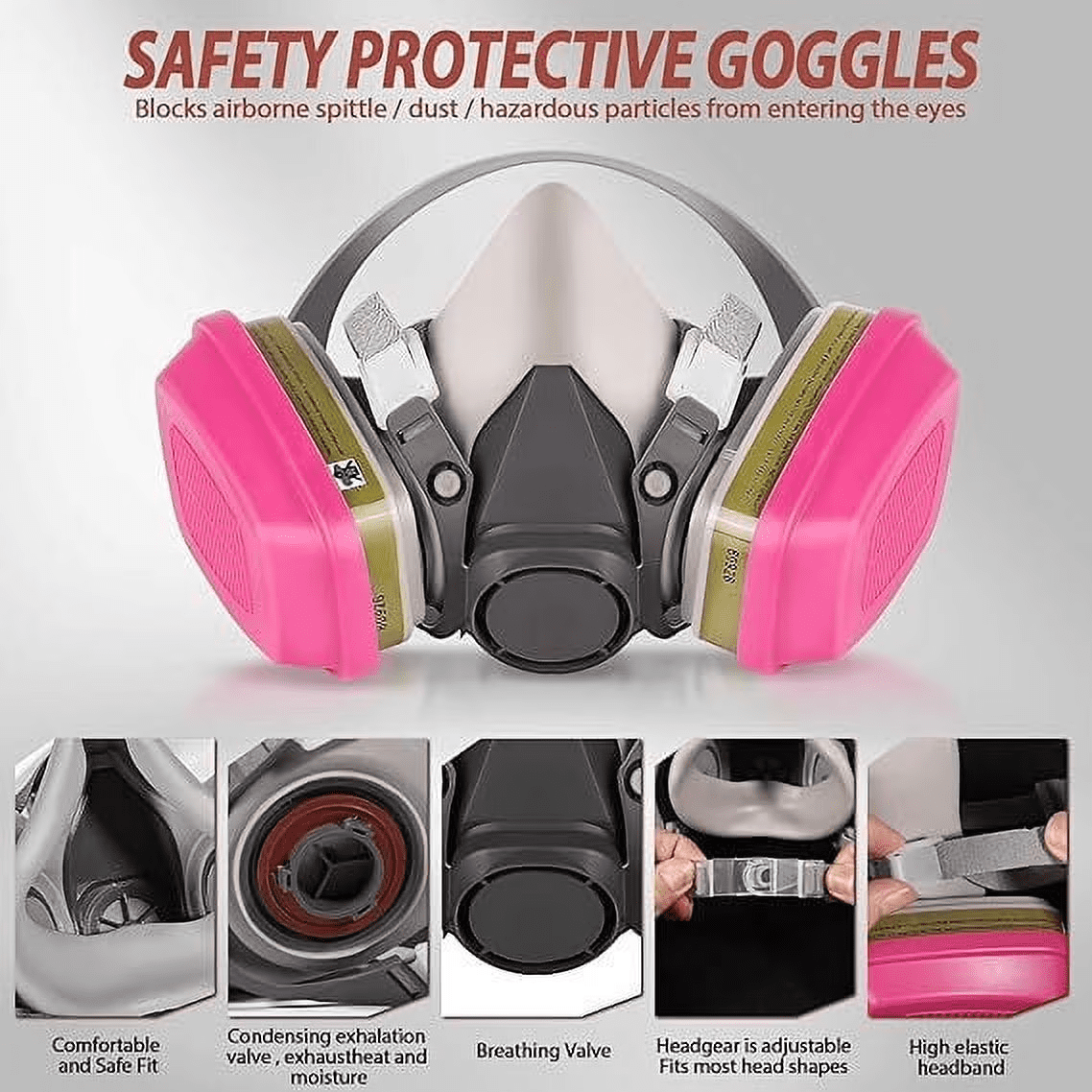
 The mask body is constructed from food-grade soft silicone, the material that contacts your face directly and holds the seal between your face and the outer plastic housing. This silicone is odor-free and formulated to avoid skin irritation even during shifts lasting several hours. The plastic frame provides structural support and creates hard points for attaching the elastic head harness that holds the mask in place. Together, the two materials weigh only 0.66 pounds, keeping the respirator light enough to wear without neck strain or pressure points. The facepiece is available in pink, and the overall design is a half-face respirator, meaning it covers only the nose and mouth rather than the entire face, leaving your eyes and forehead exposed for better vision and reduced heat buildup. The smooth silicone surface sheds dust and particles more easily than cloth or rubber alternatives, which is important when you need to wipe the outside of the mask between tasks. The plastic components are joined to the silicone in a way that allows the elastic straps to be adjusted to fit different face sizes without modifications. The respirator includes an RD40 universal connection interface on both sides where the filter canisters attach, making it compatible with multiple filter types beyond just the 60926 canisters supplied. This modular approach means you can experiment with different filter cartridges suited to the specific work you are doing on any given day. The package includes the mask itself plus two 60926 filter canisters, giving you a backup filter and enough filtration for an initial period of use.
Filter Connection and Setup
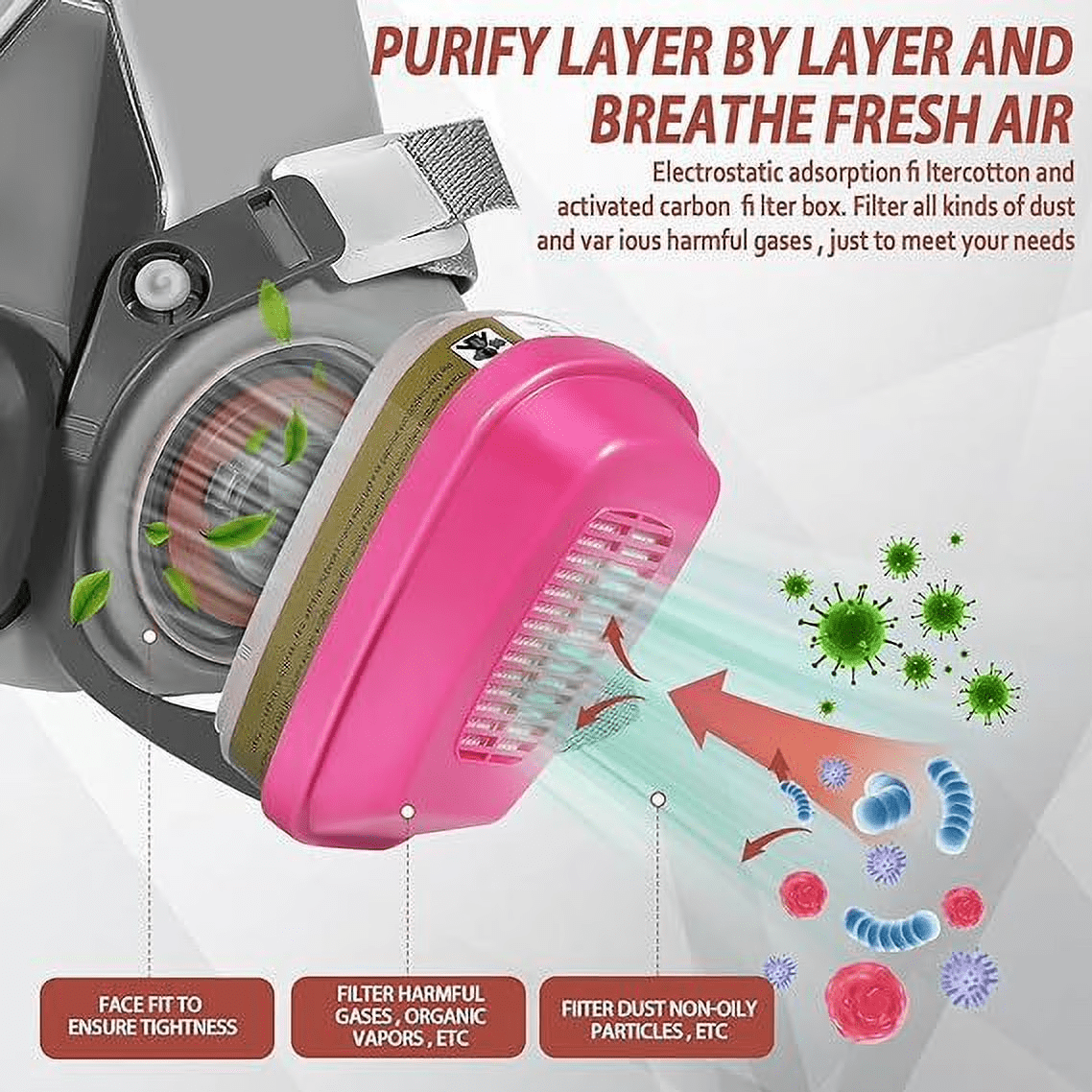
 The 60926 filter canisters are cylindrical cartridges filled with activated carbon and multi-layer filtration media designed to capture particles and gases in a dual-stage process. They screw directly onto the RD40 fittings on either side of the mask, requiring no tools beyond hand-tightening to achieve a secure seal. Before you attach the canisters for the first time, inspect the interior of the RD40 threaded ports on the mask to ensure no dirt or debris is present that might prevent a tight connection. Position each canister so the threads align with the port, then rotate clockwise until snug but not over-torqued, as the plastic fittings can crack if forced. The dual filtration system works by first passing air through the mechanical filters that catch larger particles and oil mist, then through the activated carbon layer that absorbs organic vapors and certain gaseous compounds. Once the canisters are attached, the mask is ready to use, though you may want to adjust the elastic head straps beforehand by putting on the mask and tightening or loosening each strap until the silicone facepiece sits flush against your face with firm but comfortable pressure. The mask is adjustable to fit most people, so take time during your first use to find the right tension that keeps the seal intact without pressing painfully against your cheekbones or temples. The construction allows you to remove and reattach the canisters multiple times throughout their service life without damaging the connection or the mask itself. This replaceability is the core advantage of the half-face design: you keep the expensive silicone and plastic body indefinitely and swap out only the consumable filter elements as they deteriorate.
We may earn a commission from purchases made through this link. Price and availability are not tracked on this site.
Cleaning and Filter Replacement Cycles
 The filter canisters typically need replacement every five days of use under normal workshop conditions, though the actual service life depends on how dusty or chemical-laden your working environment is. You will notice when filters are becoming saturated because breathing resistance increases noticeably and you may feel slight discomfort or strain in your breathing as the accumulated particles block airflow. At that point, you stop using the mask, unscrew both canisters by turning counterclockwise, and set them aside or dispose of them according to your local regulations. Before installing fresh canisters, wipe down the interior of the mask with a dry cloth to remove any loose dust or particles that have settled inside the facepiece. The silicone and plastic exterior can be cleaned with warm water and mild soap, wiped with a damp cloth, and air-dried completely before storage or the next use. You do not need to submerge the entire mask or use harsh solvents; gentle wiping preserves the silicone's flexibility and keeps the plastic from becoming brittle over time. Store the mask in a cool, dry location away from direct sunlight, which can degrade the silicone and plastic polymers if exposure is prolonged. When you install replacement canisters, check that all threads are clean and aligned properly before turning them onto the ports. The mask body itself has no moving parts that wear out, and the silicone remains pliable and comfortable through hundreds of replacement cycles if cared for properly. This reusability means your primary ongoing cost is purchasing new filter canisters rather than replacing the entire mask regularly, making the investment economical over a working career in construction, painting, woodworking, or chemical handling.
Half-face respirator masks with replaceable filter canisters are standard protective equipment on construction sites, in finishing shops, and during chemical or resin work where airborne particles and vapors are present. The silicone and plastic construction balances comfort during extended wear with structural durability, and the modular filter system allows you to replace only the components that degrade while keeping the mask body intact for years.