Carbon Steel Garage Wall Rack: A 48-Inch Mounting Solution for Wall-Based Tool Storage
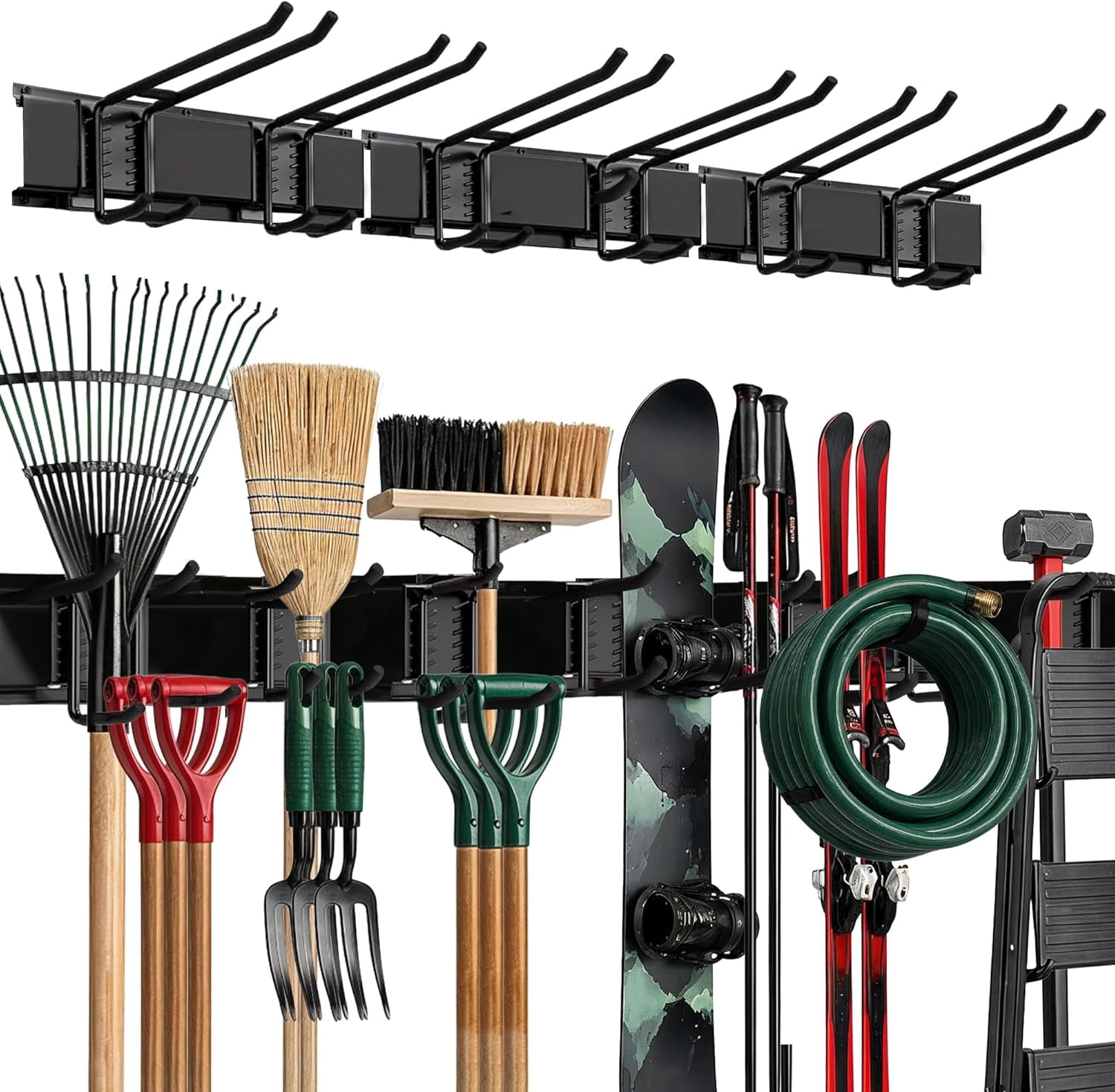
Wall-mounted tool racks shift storage from floors and benches to vertical wall space, and carbon steel construction gives you the structural material to handle weight without sag or deflection. A four-foot mounting bar with double-layer hooks places tools where you need them, whether organizing a crowded garage, a workshop, or a tool-filled shed. Understanding the material composition and how the rack fastens to your wall helps you decide whether vertical wall storage fits your home and your tool inventory. The rack's weight distribution across wall studs determines what you can safely hang and how the system performs over years of seasonal temperature and humidity shifts.
Contents
Carbon Steel Build and Dimensions
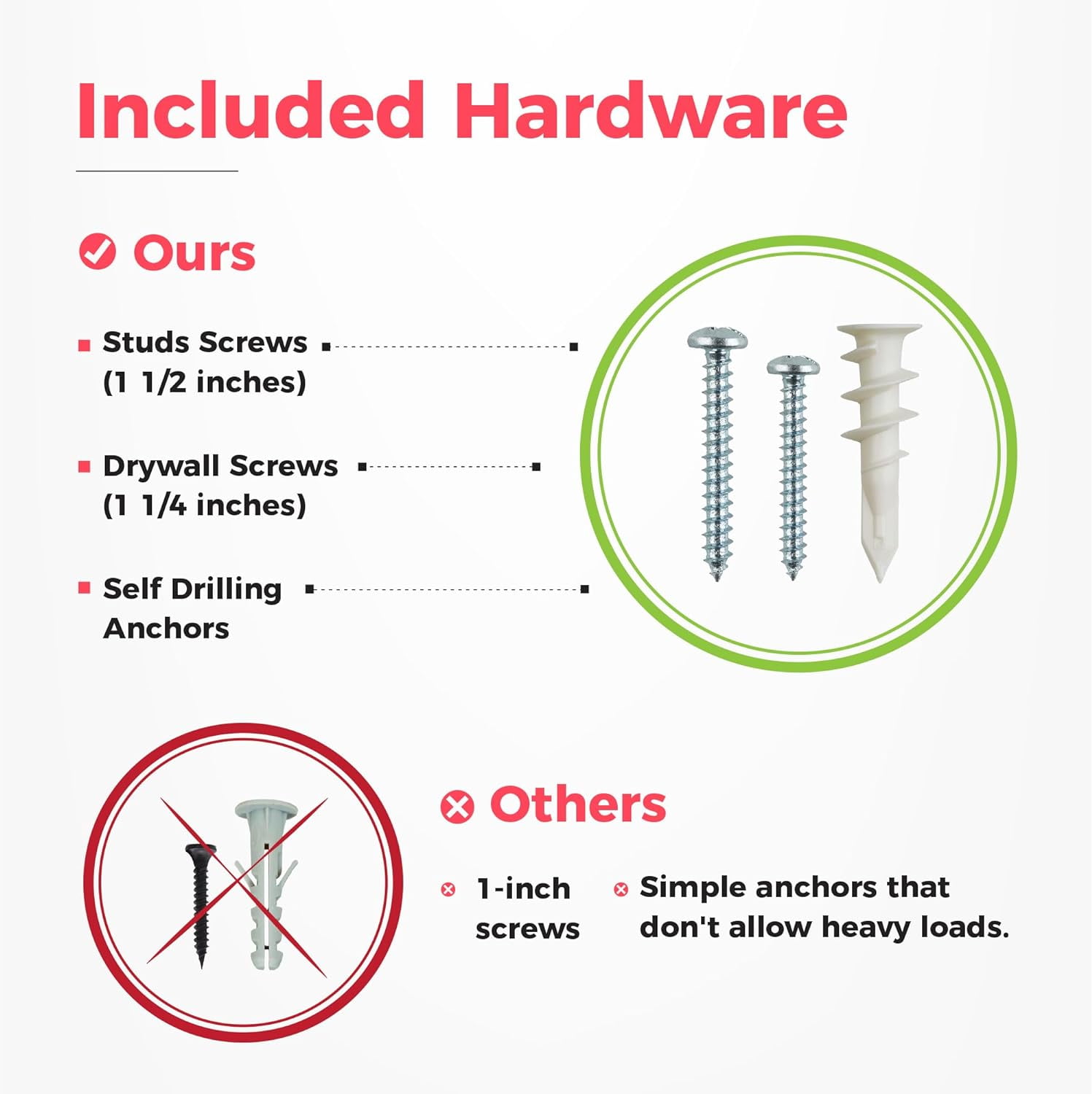
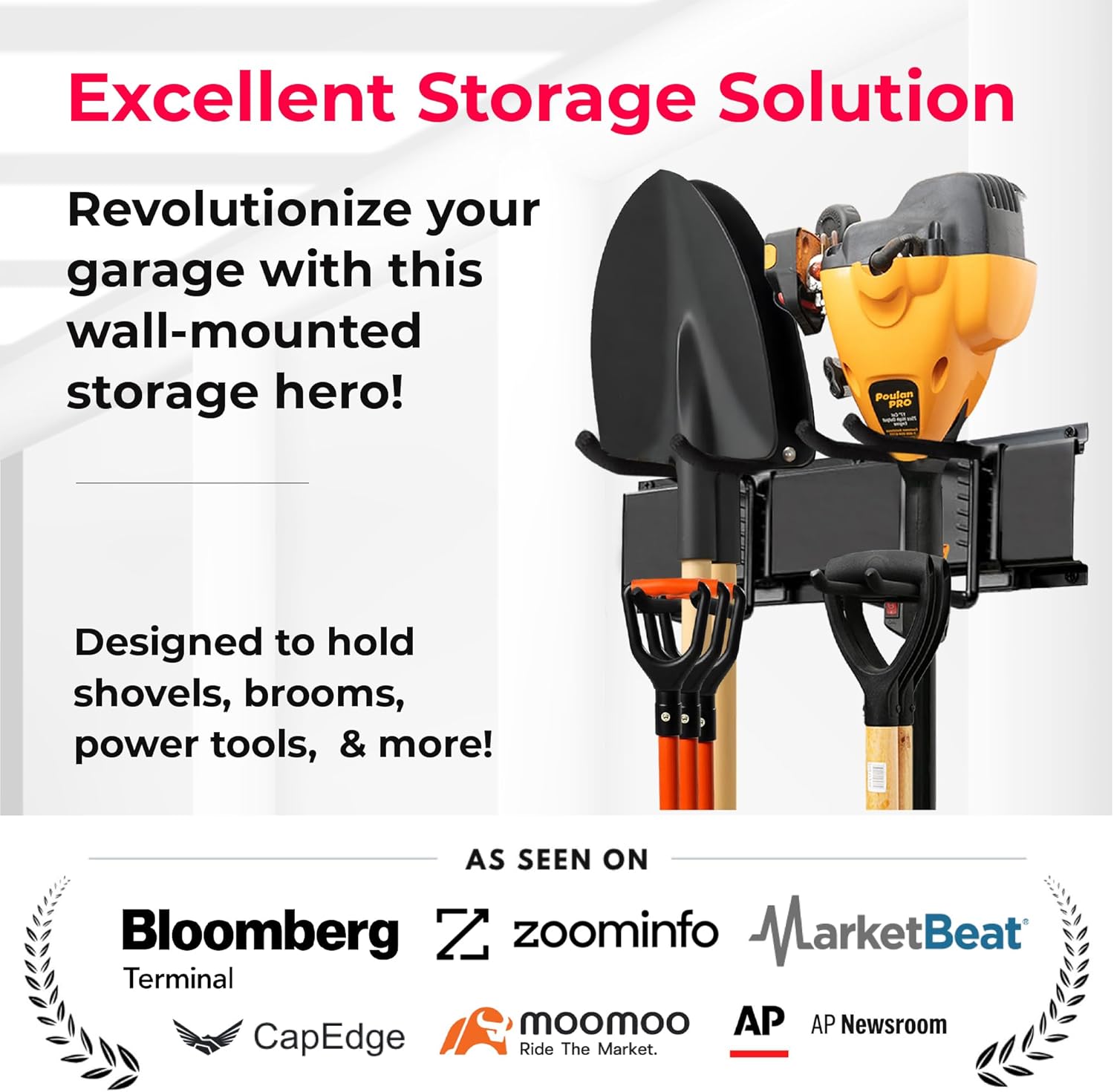 The rack spans 48 inches from end to end, sits 8.5 inches wide at the mounting face, and projects 4 inches outward from the wall plane. Carbon steel is iron alloyed with a controlled carbon content, producing a material significantly harder and stronger than mild steel while remaining machinable for internal hook slots and bolt holes. The complete assembly weighs 9.85 pounds—substantial enough that the rack's weight transfers directly to the wall studs rather than stressing the drywall surface. The black finish coating applied to the steel provides uniform color across the bar and serves as an initial layer of corrosion protection against garage moisture. The 16-inch on-center spacing between the two main mounting holes aligns with standard wall framing in North American construction, where wood studs are located exactly 16 inches apart from center to center. Fastening to studs instead of drywall alone ensures the rack cannot pull away from the wall even under full load. The hooks themselves sit in a double-layer arrangement, with one row of hooks pointing straight outward and a second row mounted deeper on the bar behind them, effectively doubling the hanging hooks without widening the wall footprint. This two-tier design permits the bar to support up to 300 pounds of distributed weight across both studs, though actual safe capacity depends on how tool weight is distributed and how securely each hook grips its item. All fastening hardware arrives in the package, eliminating the need to source bolts or lag screws before installation.
Wall Mounting and Hook Positioning
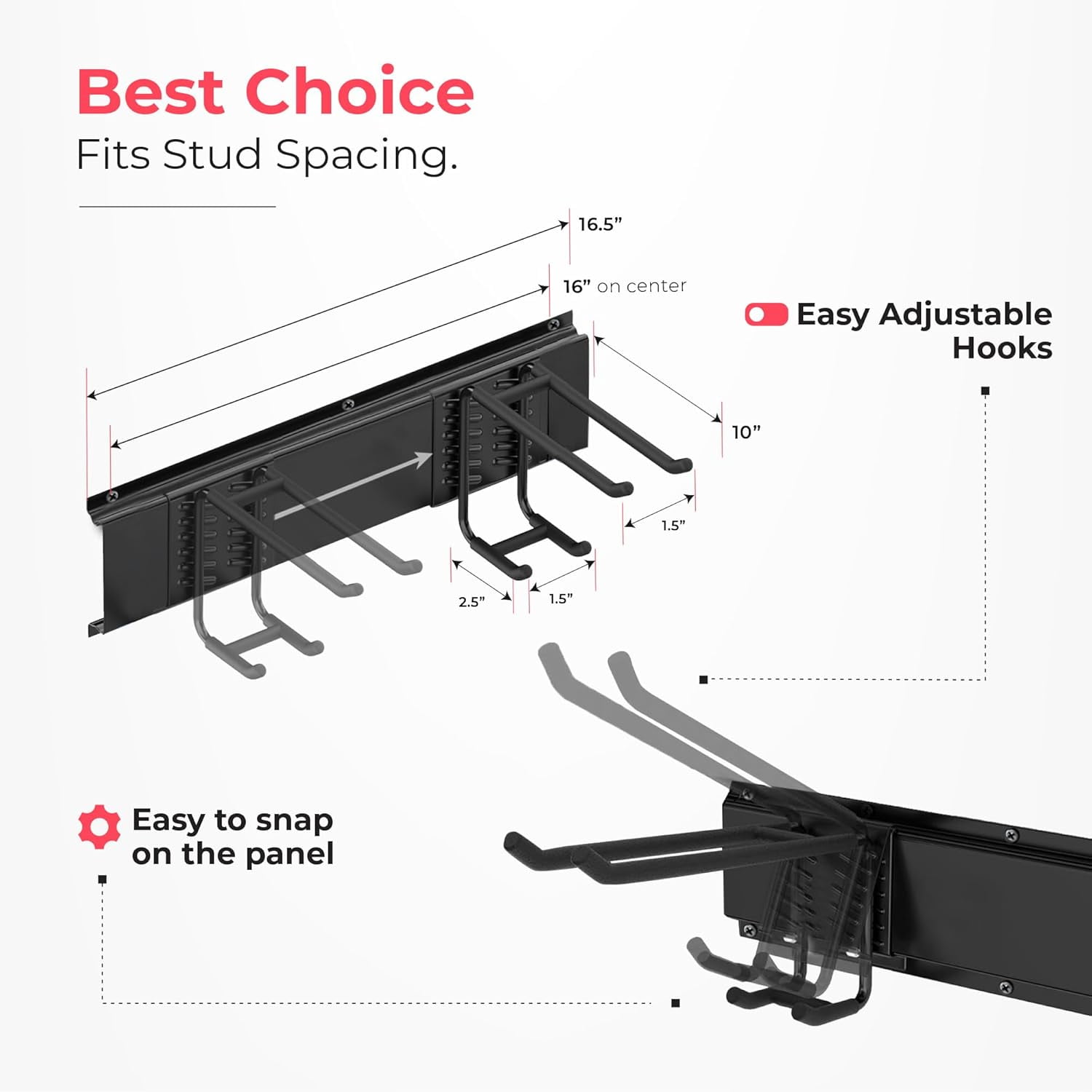 Installation starts by locating wall studs at the mounting height using a stud finder, which detects the denser wood framing behind drywall and marks the center line of each stud. The rack's pre-drilled holes sit at exactly 16-inch intervals, so once you identify the first stud, the location of the second fastening point is automatically determined. Drilling a small pilot hole into each stud before driving the fasteners prevents wood splitting and ensures the included bolts bite firmly into the framing as they are tightened. The fasteners supplied in the package secure the bar flush and square against the wall surface with no shimming, spacers, or adjustments needed to achieve level installation. The double-layer hook arrangement means larger items like ladders, shovels, and rakes hang from the forward-facing hooks, while narrower tools such as hose reels and garden tool handles fit on the recessed rear hooks without blocking access to the front row. The hooks themselves are adjustable—they slide along the horizontal bar rails, allowing you to reposition them at any time by loosening their fasteners, sliding them to a new location along the bar, and retightening. This adjustability means the rack configuration is not fixed and can be rearranged whenever your tool collection changes with seasons or new additions to your workshop. The solid bar runs horizontally across its full 48-inch length, distributing load evenly across both fastening points rather than creating stress concentration on a single stud attachment. This even load spread is what permits the system to handle tools hung at multiple points across the bar's length without sagging, shifting, or pulling away from the wall.
We may earn a commission from purchases made through this link. Price and availability are not tracked on this site.
Long-Term Care and Seasonal Maintenance
 Carbon steel resists surface corrosion significantly better than mild or soft steel because of its higher carbon composition and the black oxide finish applied during manufacturing. In typical garage environments where seasonal humidity rises and falls, the material remains stable without the flaking surface rust or deep pitting that occurs in unprotected mild steel. The surface will gradually develop a light patina in outdoor-covered locations over months or years, but this patina acts as a protective layer and does not constitute destructive rust or weakening of the base metal. The hooks themselves experience wear from tools being hung and removed repeatedly, as metal-on-metal contact creates fine scratches in the finish, but this surface wear does not reduce the structural strength of the hook material. Cleaning and maintenance are straightforward: a dry cloth removes dust accumulation, and warm soapy water with a soft brush handles seasonal grime or debris without damaging the finish. Abrasive scouring pads and harsh chemical cleaners should be avoided because they remove the protective black coating and expose bare steel to corrosion. The hook slots where tools hang and where adjustable hooks slide should be kept clear of metal shavings, dirt, or corrosion buildup to permit smooth hook repositioning when you rearrange your storage layout. Periodically inspect all fasteners with a wrench to ensure they remain tight, as vibration from opening and closing the garage door or thermal expansion in the wall frame can gradually loosen bolts over time. A simple fastener check every few months takes only minutes and prevents the rack from creeping or shifting position on the wall.
A 48-inch wall-mounted carbon steel bar with double-layer hooks suits any garage, workshop, or shed where studs are accessible and you need to move tool storage off the floor. Home garages, professional workshops, and utility spaces with standard 16-inch stud spacing all provide suitable mounting locations for this type of wall-based storage system.